Equipment from China for the mining industry
We offer the latest models of popular equipment for the mining industry. Our competitive prices and transparent terms are complemented by fast delivery.
Contact us to receive a free consultation.
We collaborate with the best manufacturers


Equipment for Automation of Mining Operations: Types and Operating Principles
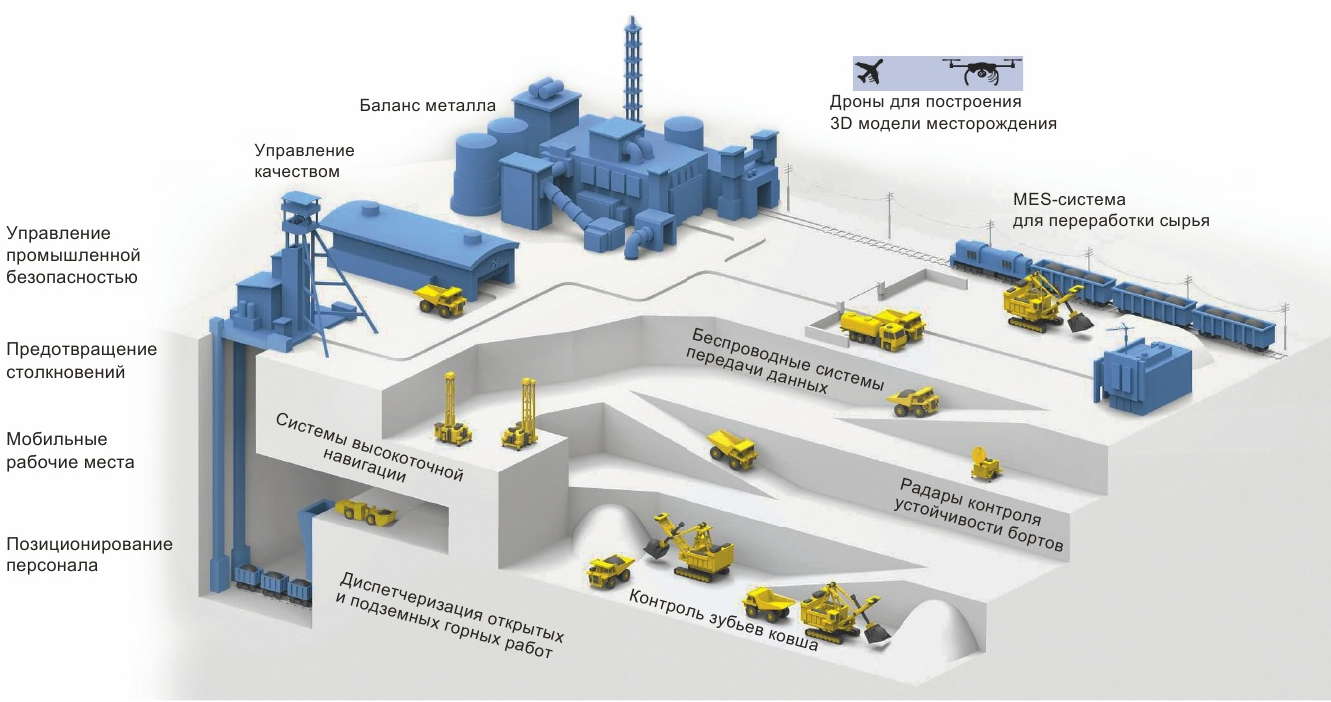
Automation of mining operations is an important step toward improving safety, efficiency, and productivity in the mining industry. Modern automation technologies help minimize manual labor, reduce costs, and improve process control. Below are the main areas of mining automation and the types of related equipment.
Automated Drilling and Blasting Systems
Drilling and blasting are critical stages in mineral extraction, and automation of these processes improves accuracy and safety.
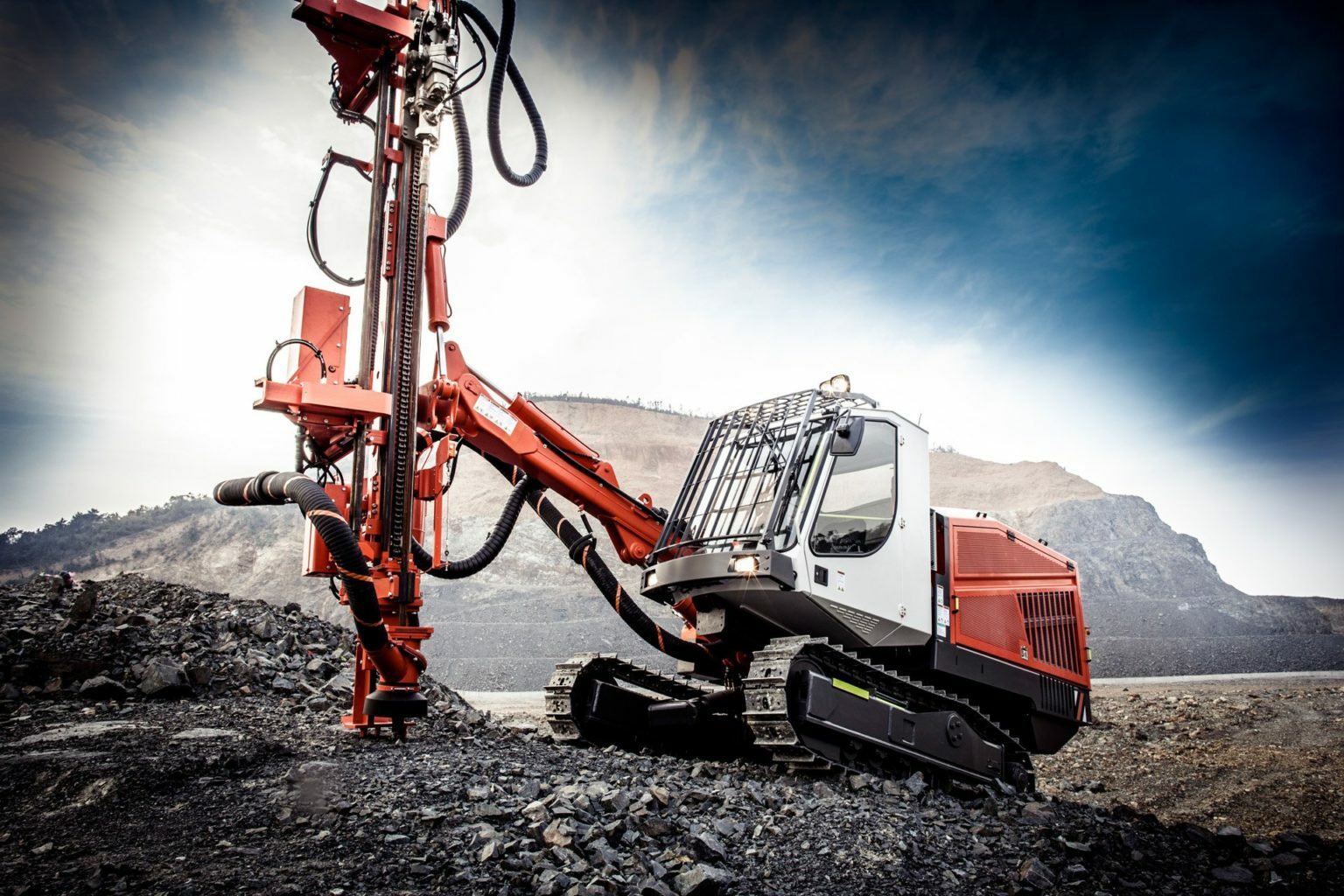
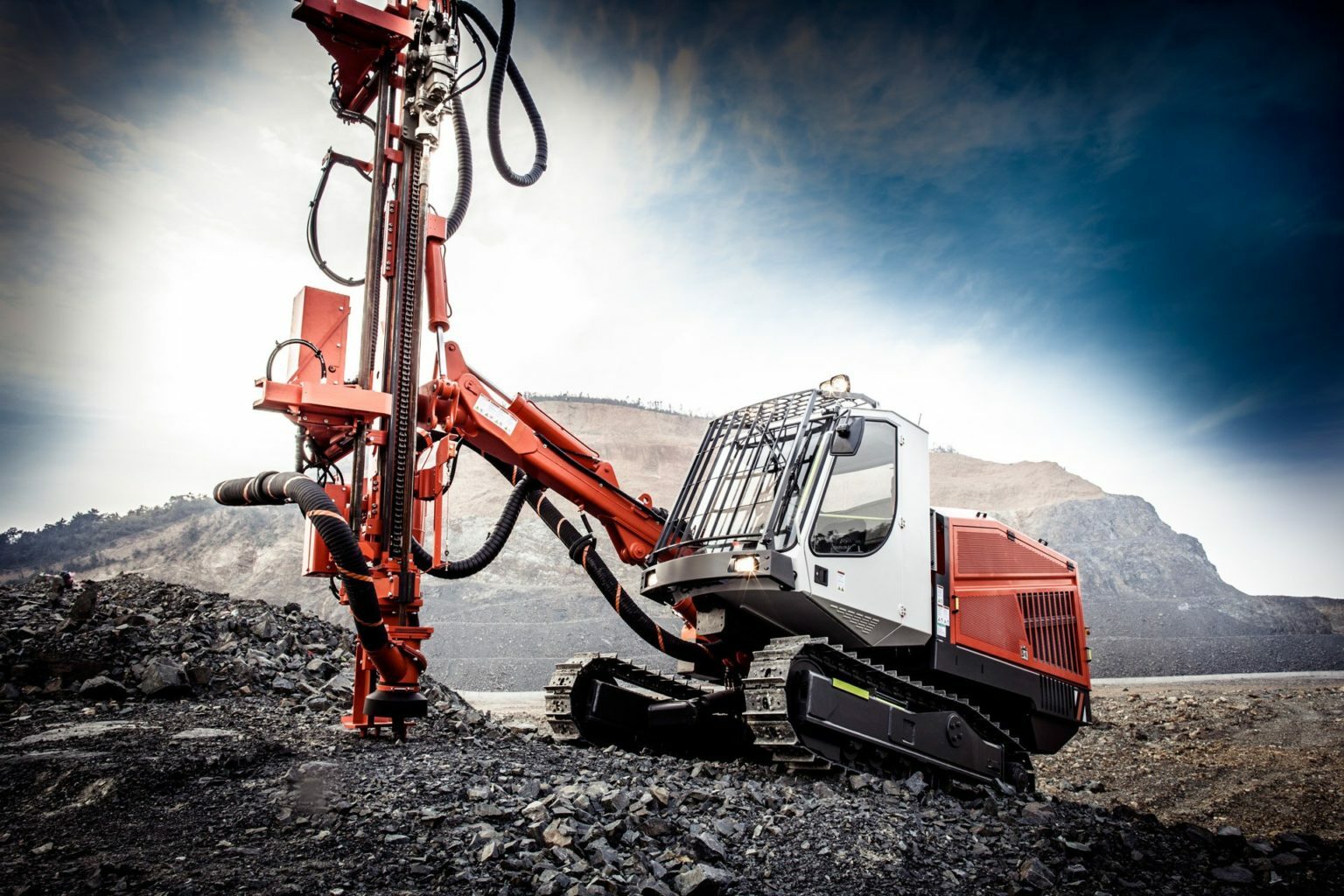
• Automated drilling rigs
o Operating principle: The drilling rig is equipped with computer control and positioning systems, ensuring high drilling accuracy. The operator sets parameters, and the machine performs drilling autonomously, minimizing human involvement.
o Application: Open-pit and underground mining.
• Remotely controlled blasting systems
o Operating principle: A computer calculates blasting parameters, and remote control allows safe charging and detonation of explosives, minimizing risks to personnel.
o Application: Safe execution of blasting operations in mining.
Automated Transportation Systems
Transportation of ore and rock is a major and costly process where automation helps reduce expenses and increase safety.
• Autonomous haul trucks
o Operating principle: Unmanned trucks are controlled using GPS systems and sensors that analyze the surrounding environment.
o Advantages: Reduced accidents, fuel savings, and the ability to operate in difficult conditions.
• Conveyor systems with automatic control
o Operating principle: Sensors control material flow, and automated control reduces equipment wear, improving operational performance.
o Application: Transportation of extracted material within mines and quarries.
Automation of Excavation and Mineral Extraction
Automated excavation and mining equipment significantly increases productivity and operational efficiency.
• Robotic excavators
o Operating principle: Excavators are remotely controlled or operate autonomously using cameras, depth sensors, and artificial intelligence to optimize digging.
o Application: Quarry development and mineral extraction.
• Automated mining combines
o Operating principle: Combines scan the rock seam and adjust operating speed depending on rock density, ensuring optimal productivity.
o Application: Coal and ore mining in underground operations.
Monitoring and Control Systems
Automated control systems are used for effective monitoring of equipment and processes in mining.
• Ground-penetrating radar systems
o Operating principle: Georadars analyze rock conditions, detect cracks, voids, and hazardous zones.
o Application: Assessment of rock stability and accident prevention.
• Digital twins of mines
o Operating principle: Virtual replicas of real objects help predict mine behavior, identify potential threats, and prevent accidents.
o Application: Safety assessment and optimization of mine operations.
• Remote control centers
o Operating principle: Control centers monitor equipment operation in real time, minimizing operator presence in hazardous areas.
o Application: Control and monitoring of mining and excavation processes.
Automated Safety Systems
Automation of safety systems improves working conditions and minimizes risks to personnel.
• Inspection robots
o Operating principle: Robots perform inspections of mine workings, exploring hazardous areas without human involvement.
o Application: Inspection and maintenance of underground workings.
• Gas analyzers with automatic equipment shutdown
o Operating principle: These devices monitor gas levels (e.g., methane) and automatically shut down equipment when dangerous concentrations are detected.
o Application: Explosion prevention and safety enhancement.
• Personnel tracking systems
o Operating principle: Use sensors to track the location of workers in mines and quarries, warning of potential hazards.
o Application: Worker safety control and monitoring in mines and quarries.
Conclusion
Automation of mining operations is a crucial step toward improving safety, increasing efficiency, and reducing costs in the mining industry. Modern automation technologies, including robotics, artificial intelligence, and intelligent control systems, are significantly transforming mining and excavation processes, increasing productivity and minimizing risks.
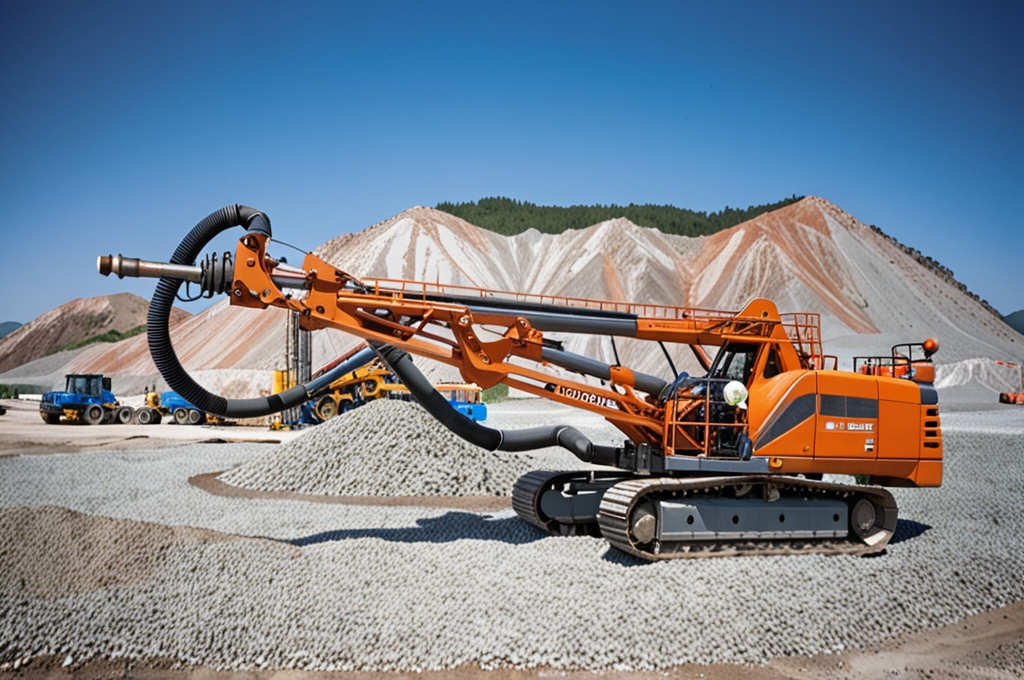
Drilling Rigs for Mining: Types and Operating Principles
Drilling rigs play a key role in the mining industry, ensuring efficient drilling operations such as exploration and production drilling. These rigs are used for the extraction of minerals including coal, ore, oil, and gas, as well as for creating blast holes. Modern systems are equipped with automated and remotely controlled mechanisms, increasing safety and productivity.
Main Types of Drilling Rigs
By Drilling Method
• Rotary drilling rigs
o Operating principle: Use rotational movement of the drill bit to break rock. Powerful engines and a drilling fluid circulation system support the process.
o Application: Oil and gas extraction, geological exploration.
• Rotary-percussive drilling rigs
o Operating principle: Combine rotational and impact drilling to break hard rock, often using down-the-hole hammers.
o Application: Ore mining, quarries, construction works.
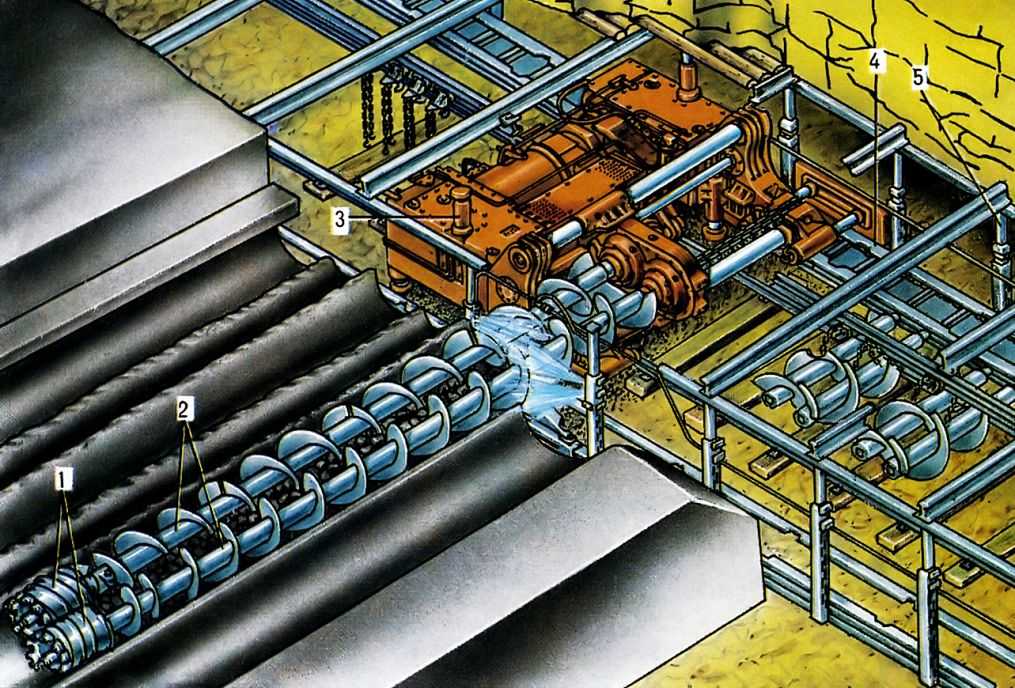
• Auger drilling rigs
o Operating principle: Use a spiral auger that lifts broken rock to the surface.
o Application: Exploration drilling and shallow wells.
• Down-the-hole pneumatic drilling rigs
o Operating principle: Operate using compressed air that transmits impacts to the rock-breaking tool.
o Application: Hard rock, quarries, tunnel construction.
By Application Area
• Exploration drilling rigs
o Operating principle: Compact and mobile rigs for geological exploration and mineral prospecting, most often using diamond or rotary drilling.
o Application: Geological structure studies, test drilling.
• Quarry drilling rigs
o Operating principle: Heavy-duty rigs for drilling blast holes in open pits, equipped with automated systems to improve drilling accuracy.
o Application: Quarry development, preparation for blasting.
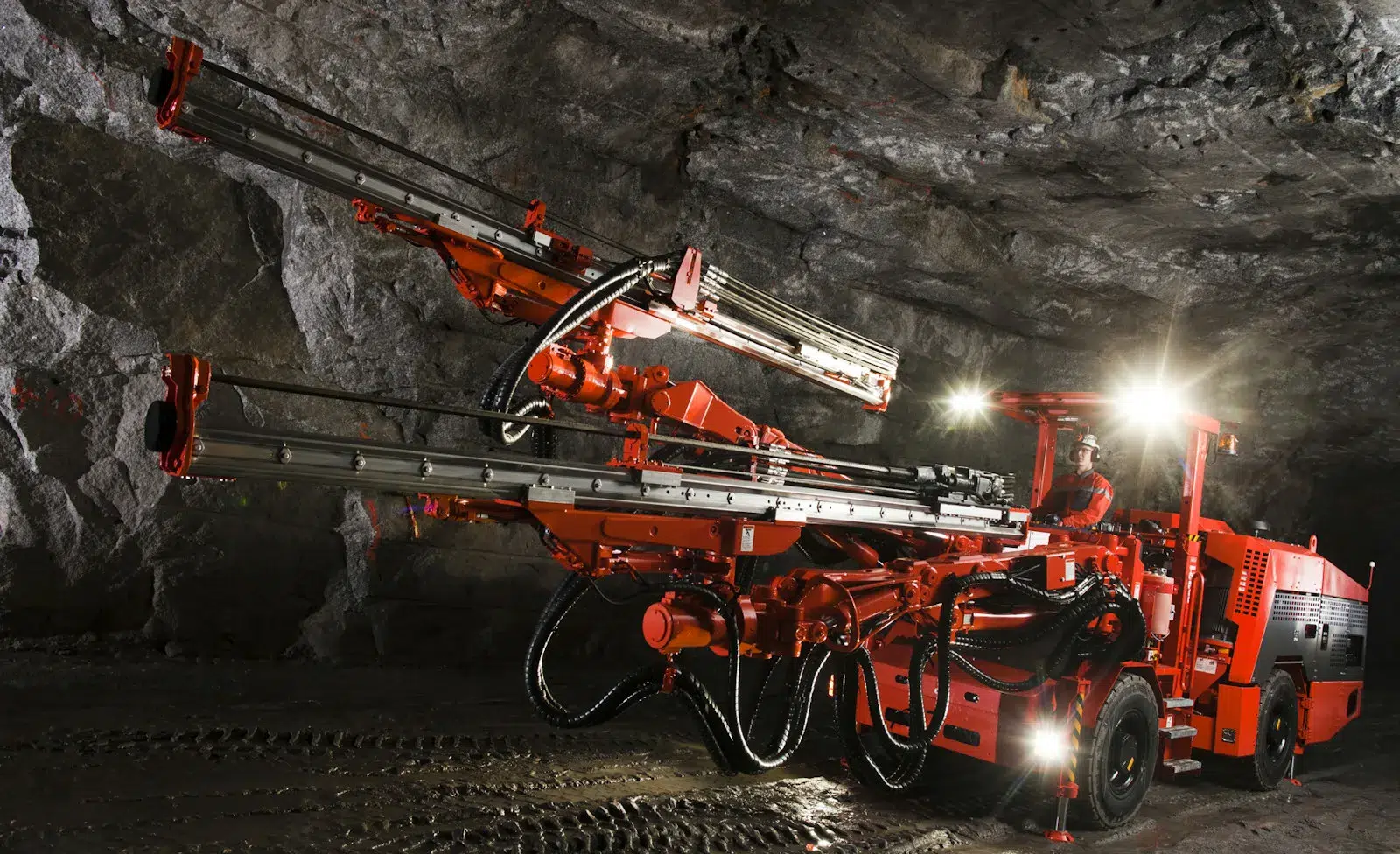
• Underground drilling rigs
o Operating principle: Compact and maneuverable rigs designed for underground conditions, equipped with hydraulic or electric drives.
o Application: Drilling blast holes and ground support installation.
• Horizontal directional drilling rigs (HDD)
o Operating principle: These rigs allow drilling in a horizontal plane without disturbing the surface, which is important for installing utilities.
o Application: Underground utility installation, tunneling works.
Main Components of Drilling Rigs
• Drill mast: The main structure for raising and lowering drilling tools.
• Drill bit: The primary tool for rock destruction, which can be roller-cone, blade, or diamond.
• Drill rods: Connecting elements that transmit torque to the drill bit.
• Down-the-hole hammer: A device for transmitting impact loads during hard rock drilling.
• Circulation system: Supplies drilling fluid to cool the bit and remove cuttings.
• Winch: Used for lifting and lowering drilling equipment.
Automation of Drilling Rigs
Modern drilling rigs are equipped with automatic control and remote operation systems, improving accuracy and safety.
• GPS navigation: Ensures precise drilling according to specified coordinates, especially important in complex geological conditions.
• Load control systems: Prevent equipment overload, contributing to long service life.
• Robotic drilling complexes: Autonomous rigs capable of operating without human involvement, significantly improving workplace safety.
Conclusion
Modern drilling rigs play a crucial role in the mining industry, significantly improving the efficiency, accuracy, and safety of drilling processes. Thanks to a wide range of technologies such as rotary and rotary-percussive drilling, as well as the use of automated systems and robotic complexes, these rigs can substantially reduce costs and improve control over extraction processes.
Mining machines: types, purpose, and operating principles
Mining machines play an important role in mineral extraction, construction, and other industries requiring complex mechanized operations. They significantly increase productivity, ensure safety, and reduce the costs of mining and processing ore, coal, and other minerals.
Main types of mining machines
Drilling and blasting machines
These machines prepare mining workings, create holes and boreholes before blasting.
Drilling rigs
Principle: Break rock using a bit or drill crown; can perform rotary, percussive-rotary, or auger drilling.
Application: Quarries, mines.
Pneumatic hammer units
Principle: Use compressed air to break hard rocks.
Application: Quarries and mines with hard rocks.
Drilling carriages
Principle: Self-propelled rigs for drilling in mines and tunnels.
Application: Mines, tunnels.
Mineral extraction machines
These machines provide mechanized excavation and extraction of rock.
Excavators
Principle: Used for rock removal in open pits.
Types: Hydraulic, mechanical, walking excavators.
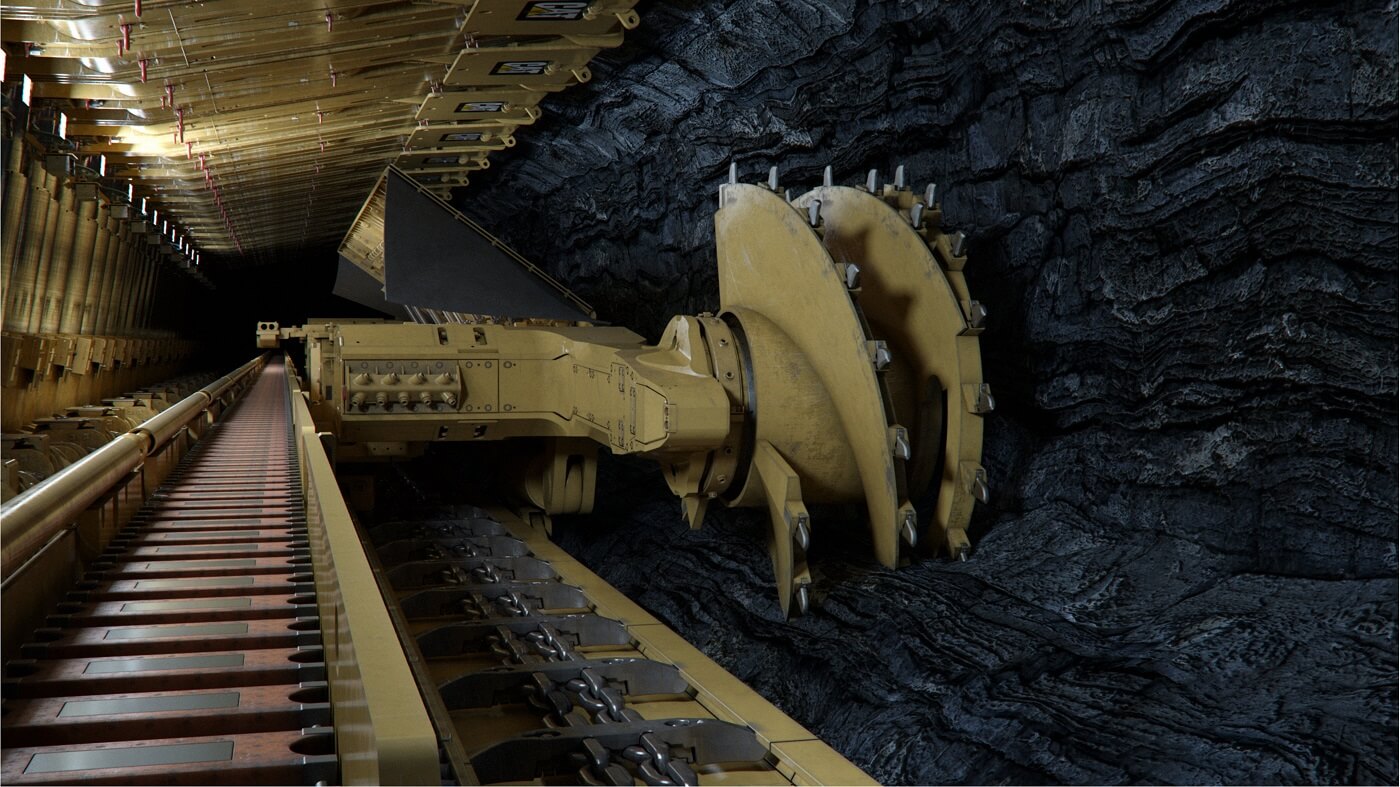
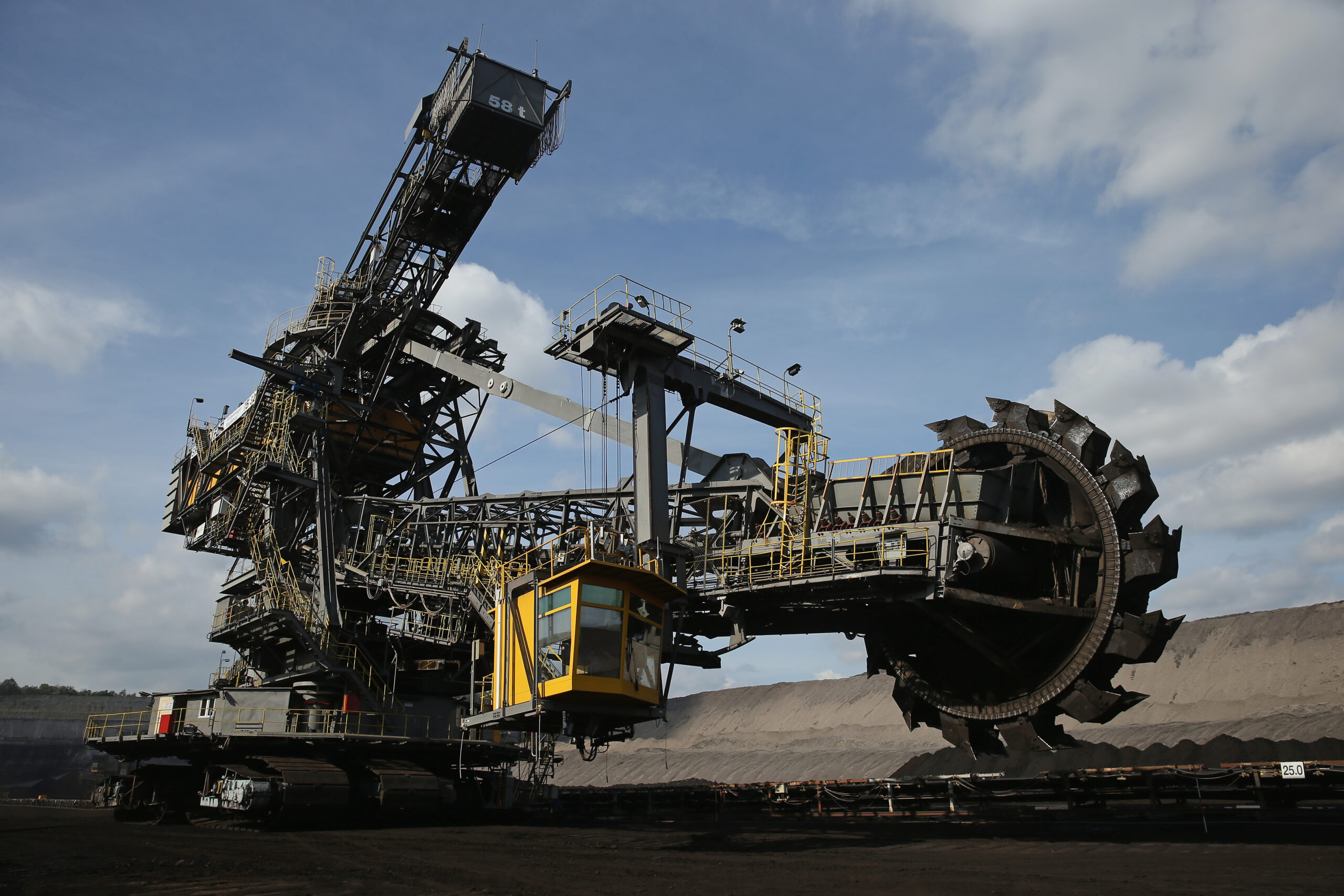
Mining combines
Principle: Automated machines for underground coal and ore mining; cutting heads crush rock and feed it onto conveyors.
Application: Underground mines.
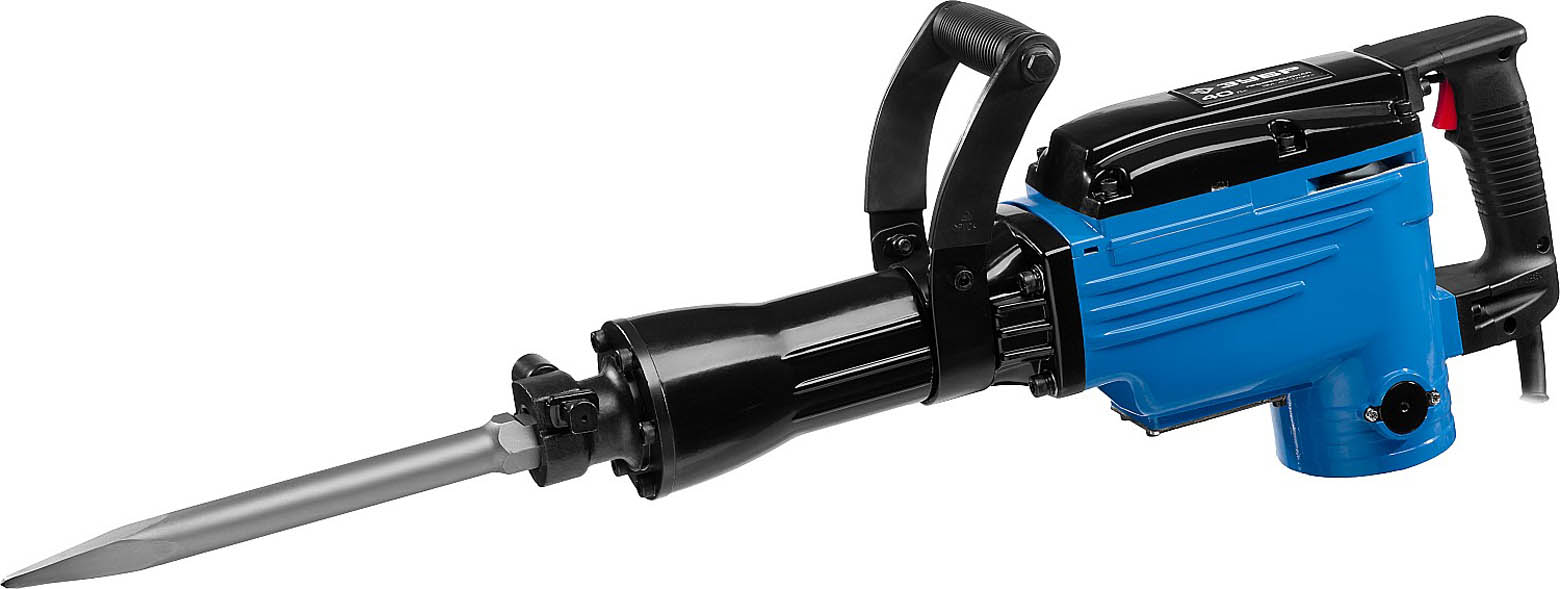
Jackhammers
Principle: Hand tool for breaking hard rock in mines.
Application: Repair and drilling work in mines.
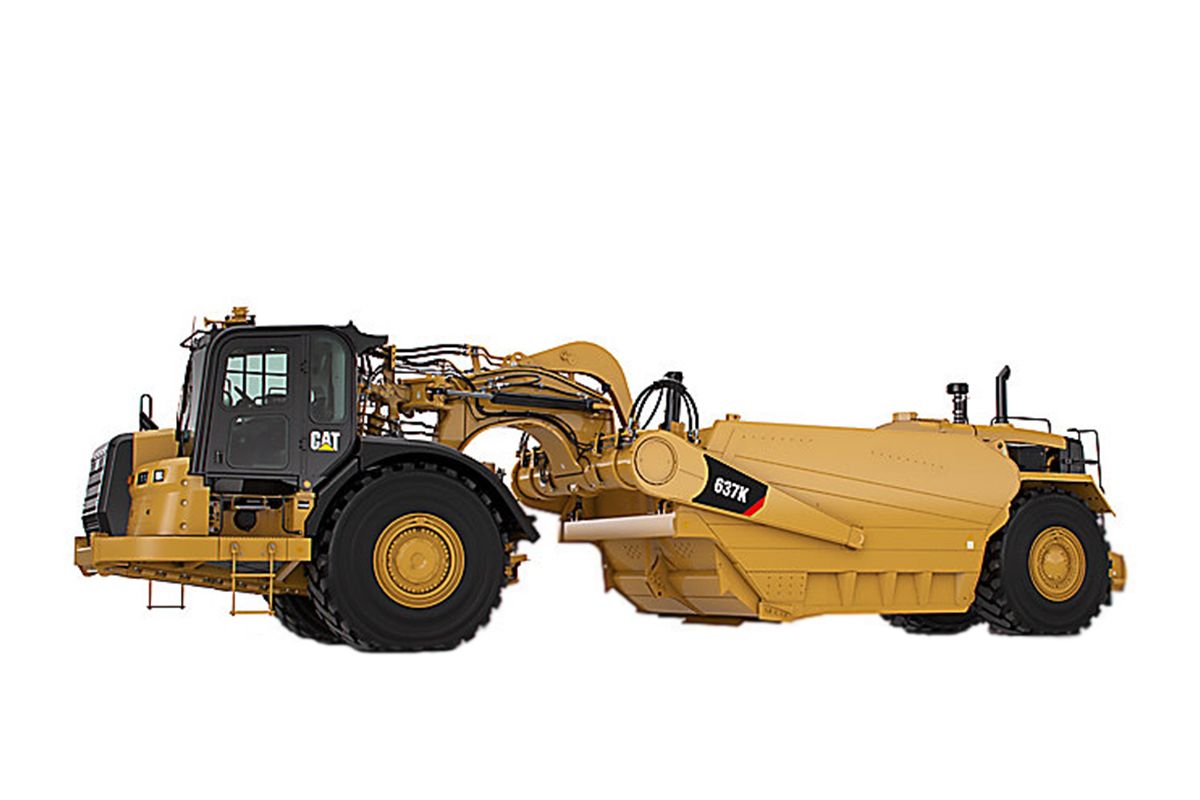
Scrapers
Principle: Move rock along workings.
Application: Mines and quarries.
Rock transportation machines
Excavated rock must be moved to processing plants using specialized equipment.
Quarry dump trucks
Principle: Powerful machines for transporting large volumes of rock.
Application: Open quarries.
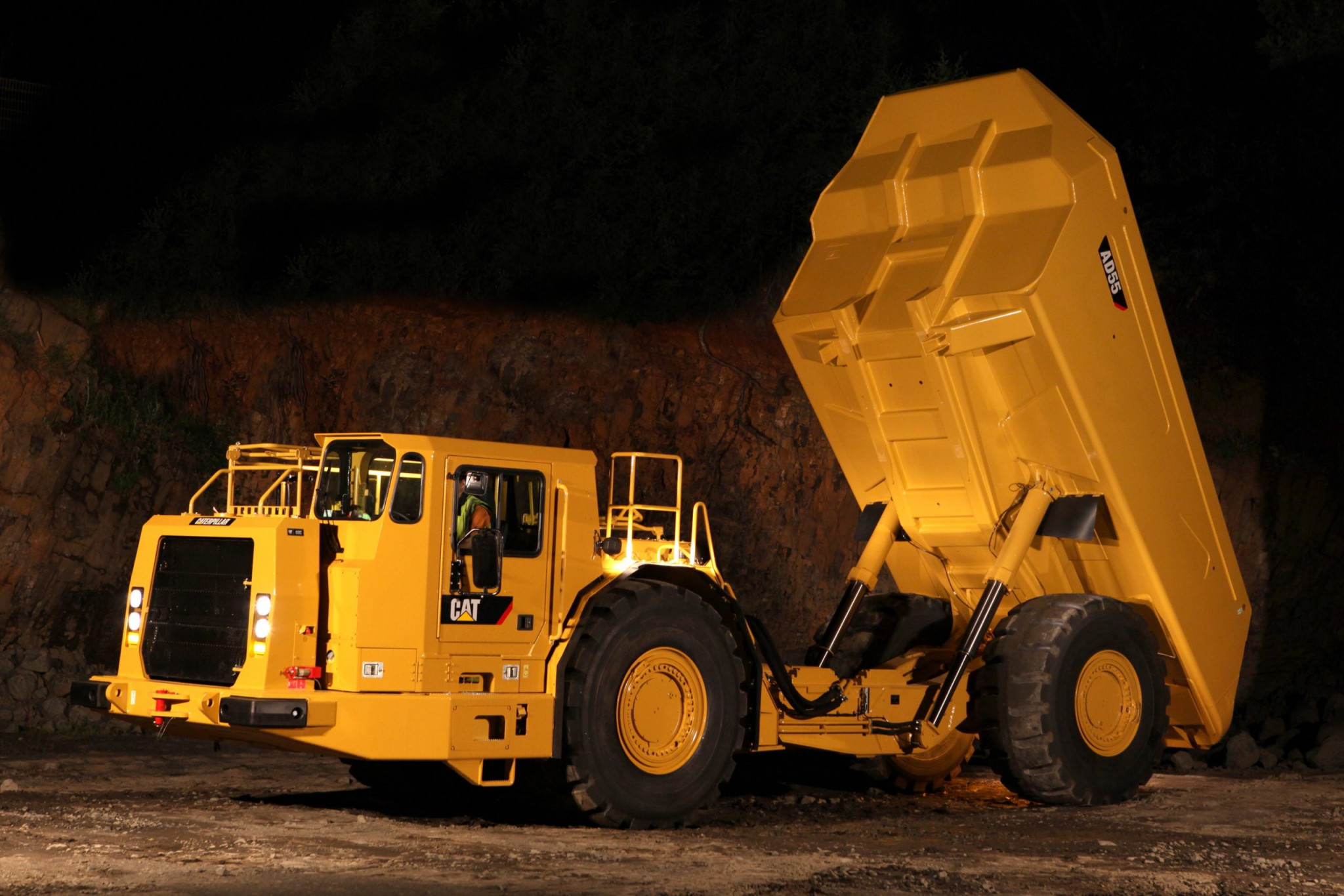
Underground mine dump trucks
Principle: Transport material in underground mines; reinforced protection.
Application: Underground mines.
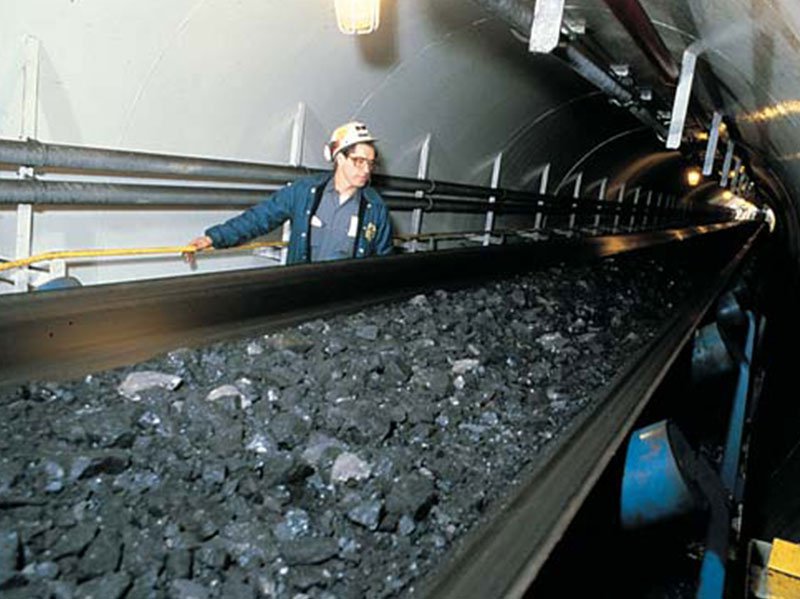
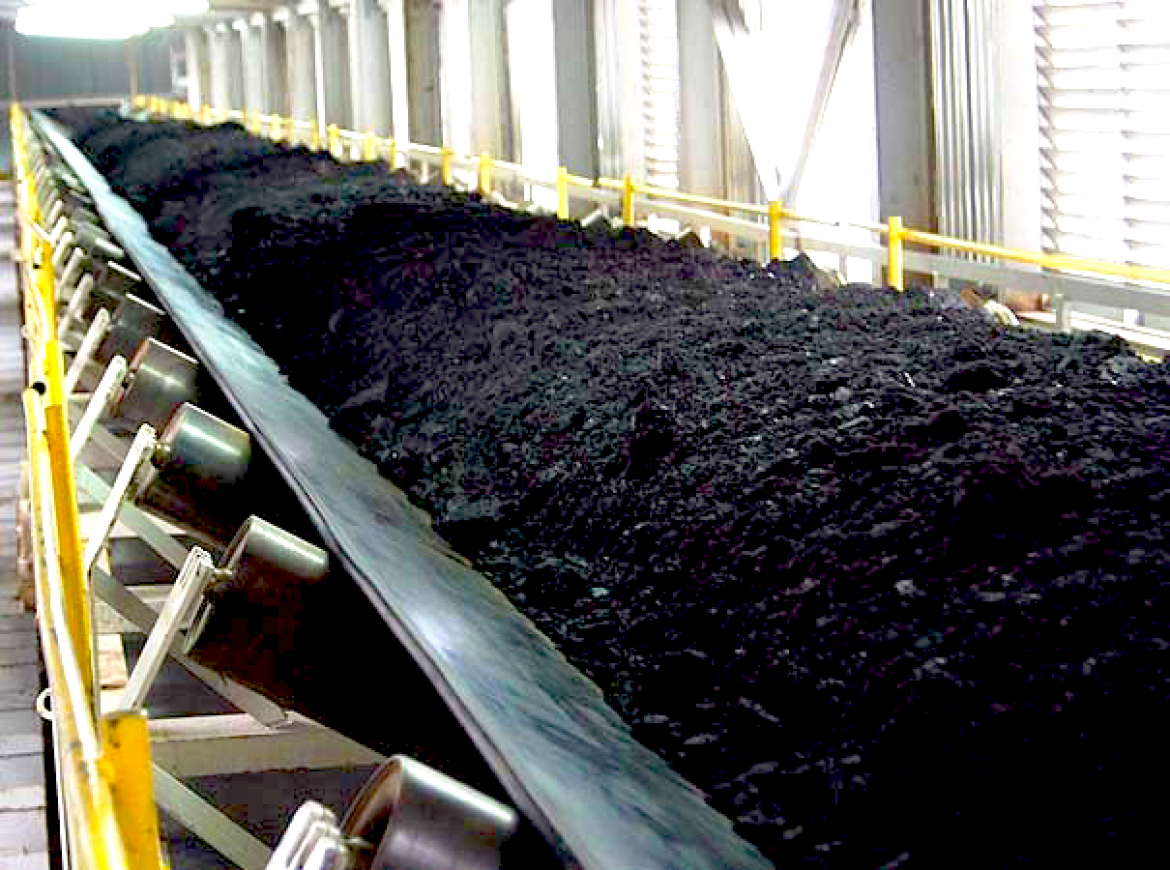
Conveyor systems
Principle: Belt, scraper, and tube conveyors for rock transport.
Application: Processing and transportation in quarries and mines.
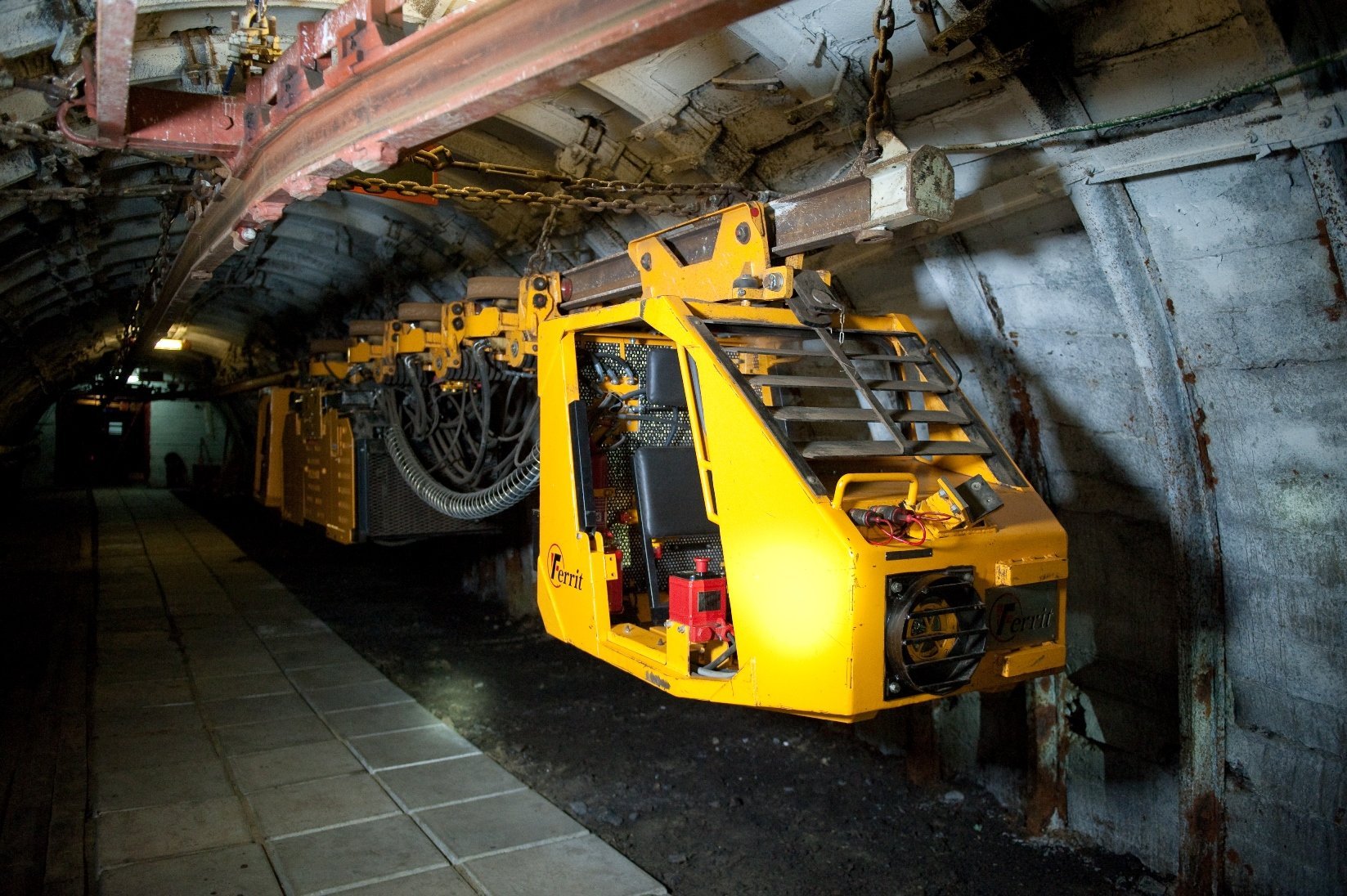
Monorail transport systems
Principle: Move loads along suspended rails.
Application: Underground mines.
Loading and processing machines
After extraction, rock must be sorted, crushed, and processed.
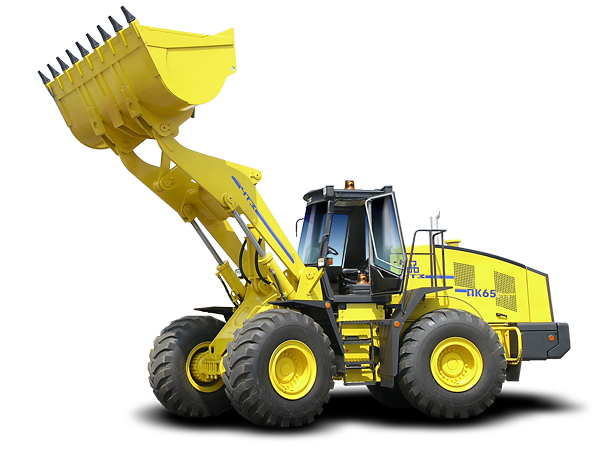
Front loaders
Principle: Load rock into dump trucks or processing equipment.
Application: Material processing and transportation.
Crushers
Principle: Crush large ore pieces into required fractions.
Types: Jaw, cone, hammer crushers.
Application: Ore and coal processing.
Screens
Principle: Sort rock by particle size.
Application: Material sorting in quarries.
Flotation machines
Principle: Enrichment equipment for ore separation by flotation.
Application: Ore processing.
Auxiliary equipment
Auxiliary equipment ensures safety and working conditions in mining enterprises.
Mine ventilation units
Principle: Supply fresh air to mines.
Hydraulic supports
Principle: Support walls of underground workings.
Dust suppression systems
Principle: Reduce dust in mines and quarries.
Automation of mining machines
Modern technologies allow automation of mining processes, increasing safety and efficiency.
Unmanned dump trucks: Controlled via GPS and sensors, operate autonomously.
Robotic drilling rigs: Perform drilling without human participation, improving safety.
Intelligent monitoring systems: Track equipment condition, predict failures, and enable preventive maintenance.
Conclusion
Mining machines are essential in mining and construction, enabling mechanized execution of complex tasks. Modern machines improve the efficiency of extraction, transportation, and processing of minerals, while enhancing working conditions and safety. Automation and robotics significantly increase productivity and reduce risks for workers.
Oil and gas industry equipment: types and purposes
The oil and gas industry requires various equipment for efficient drilling, extraction, processing, transportation, and storage of hydrocarbons. Equipment is selected depending on working conditions (onshore or offshore fields, drilling depth, and other factors).
Drilling equipment
Main equipment for creating wells and extracting oil and gas.
Drilling rigs
Onshore rigs: For drilling wells on land.
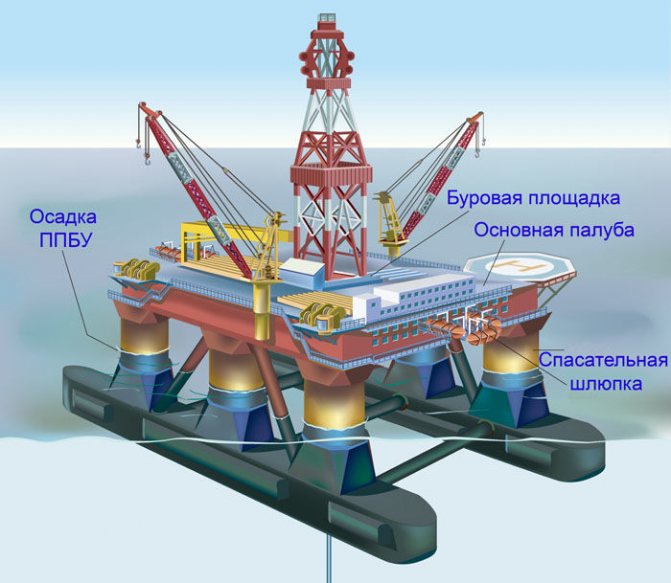
Offshore rigs: Operate on the shelf and in deepwater areas.
Flexible rigs: Used for drilling in challenging conditions, e.g., deepwater fields.
Drilling pumps: Supply fluids to wells for cooling, lubricating tools, and removing drilling waste.
Cement pumps: Pump cement slurry into wells to strengthen walls and prevent collapse.
Oil and gas extraction equipment
Equipment for lifting hydrocarbons to the surface.
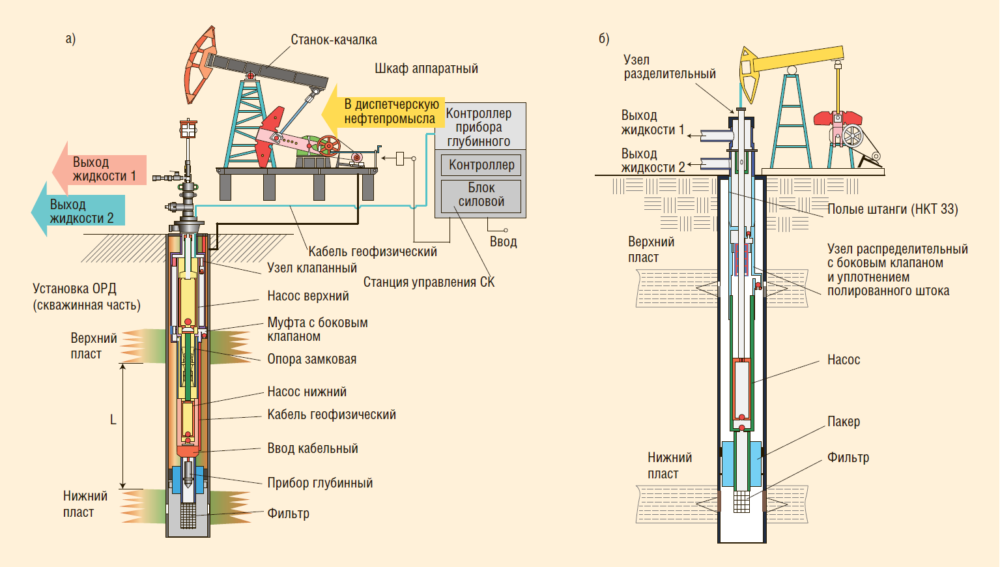
Oil lift pumps
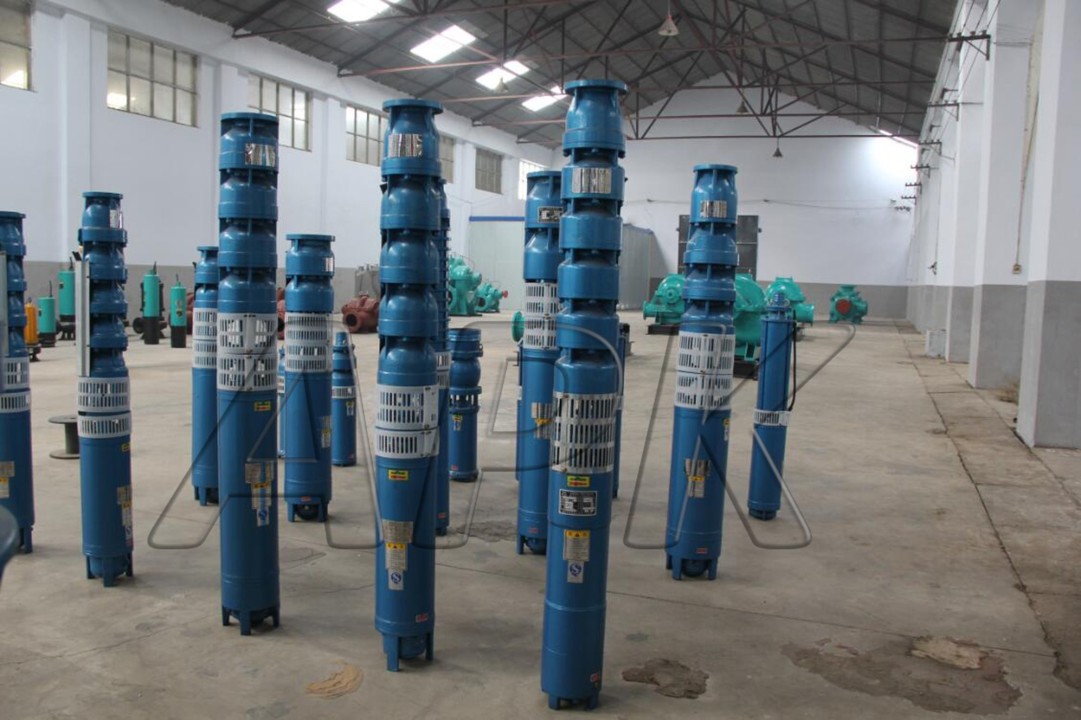
Submersible pumps: Lift oil from great depths when reservoir pressure is insufficient.
Submersible pumps (ESP): Electric pumps for lifting oil and gas in complex reservoir conditions.
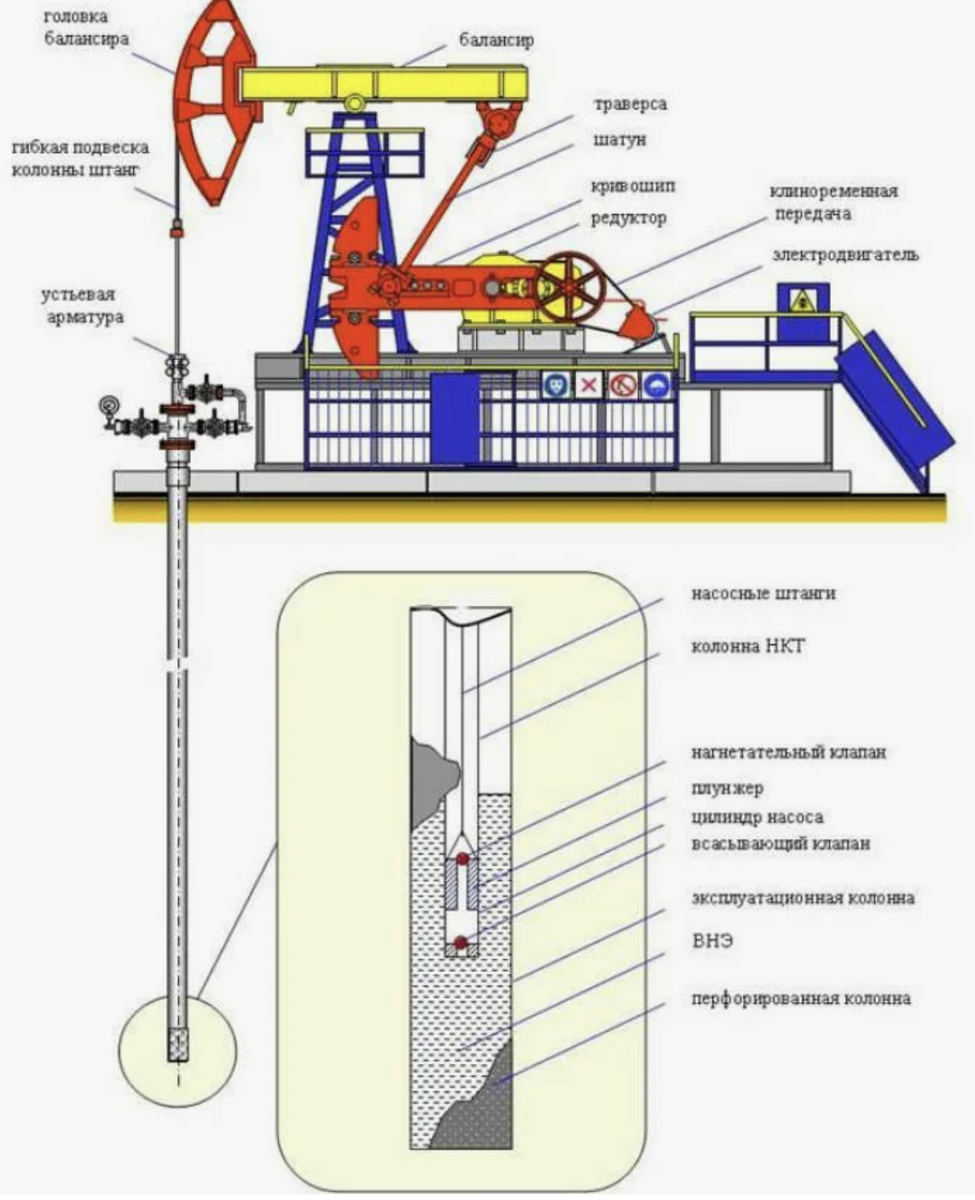
Column and rod pumps: Lift oil from shallower depths or low-pressure wells.
Gas pumps
Diaphragm and piston pumps: Transport gas in the system.
Processing and purification equipment
Equipment to remove impurities and gases from hydrocarbons.
Gas purification units
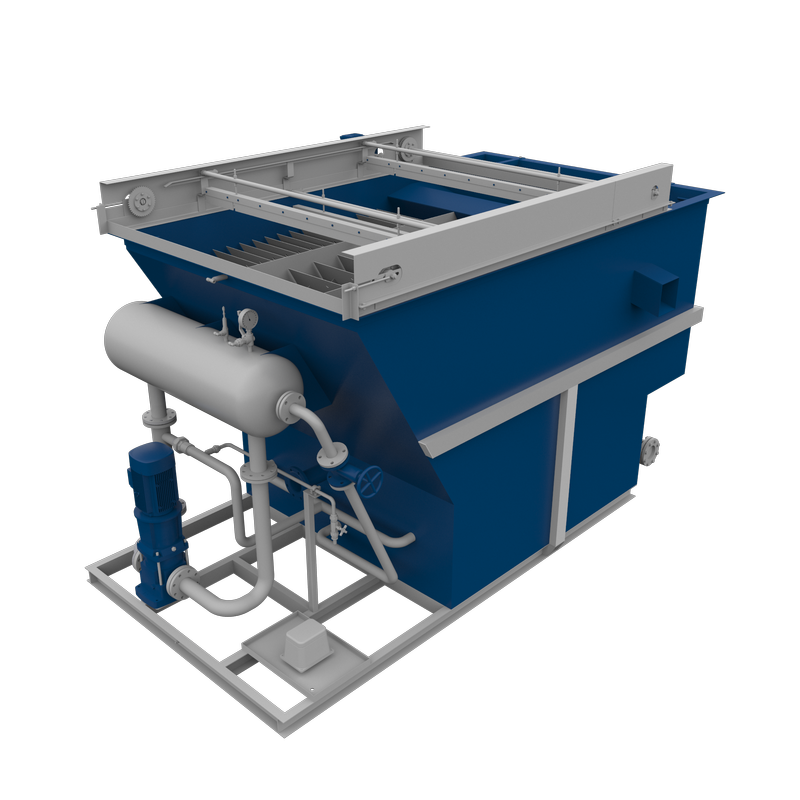
Separators: Separate oil, gas, and water from wells.
Degassing equipment: Remove hydrocarbon impurities from natural gas.
Gas and oil fraction units: Separate fractions like propane, butane, methane, etc.
Water separators: Remove water from oil and gas.
Oil and gas transportation equipment
Hydrocarbons are transported to processing plants or for export.
Pipelines: Transport oil and gas over long distances, underground or offshore.
Pump stations: Pump oil through pipelines.
Cargo tankers: Transport oil by sea, especially from offshore platforms.
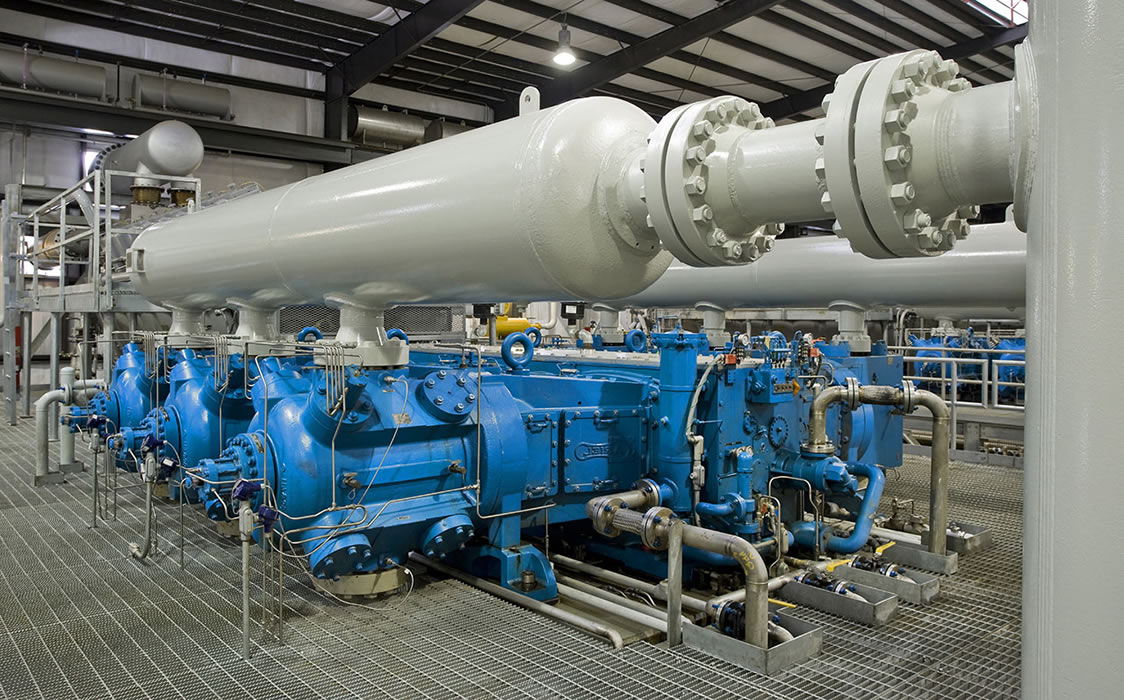
Gas compressor stations: Maintain pressure for gas transport in pipelines.
Oil and gas storage equipment
Equipment for storing hydrocarbons at various stages.
Oil storage tanks: Store oil before processing or transport.
Underground gas storage: Store gas in geological structures like salt domes or depleted fields.
Auxiliary equipment
Equipment to ensure smooth operation of extraction and processing.
Water supply systems: Provide water for drilling, cooling, and other processes.
Gas and oil compressors: Increase pressure for transport through pipelines.
Conclusion
The oil and gas industry requires a comprehensive approach in selecting equipment for efficient extraction, processing, and transportation. From drilling rigs to storage and purification systems, equipment is crucial for continuous operation and maximum productivity.
Crushers for the mining industry: types, operating principles, and selection features
Crushers are essential equipment in the mining industry, used to break rock and prepare materials for further processing, including sorting, enrichment, and calcination. They play a key role in extracting ore, coal, limestone, and other materials.
Main types of crushers
Jaw crushers
Designed for primary crushing of large materials.
Principle: Material is crushed by compression between a fixed and a moving jaw.
Features: Suitable for hard and abrasive materials, such as rocks, coal, limestone.
Application: Used in the initial stages of ore processing and in quarries for large rock preparation.
Cone crushers
Used for secondary and tertiary crushing of materials.
Principle: Material passes between a fixed and a moving cone, where it is compressed and broken.
Features: Provide finer crushing and more uniform fractions.
Application: Ideal for processing ore materials like copper, gold, silver, as well as limestone and coal.
Rotary (hammer) crushers
Used for finer crushing of materials.
Principle: Material is struck by a rotating rotor and hammers, causing breakage.
Features: Suitable for brittle materials, such as coal, limestone, gypsum.
Application: Used in coal and cement industries and for processing bulk materials.
Roll crushers
Designed for processing hard and medium-hard materials to obtain fine fractions.
Principle: Material is crushed by compression between two rotating rolls.
Features: Produce a higher output of fine particles compared to jaw crushers.
Application: Used in metallurgy and cement industries for ore and other hard materials.
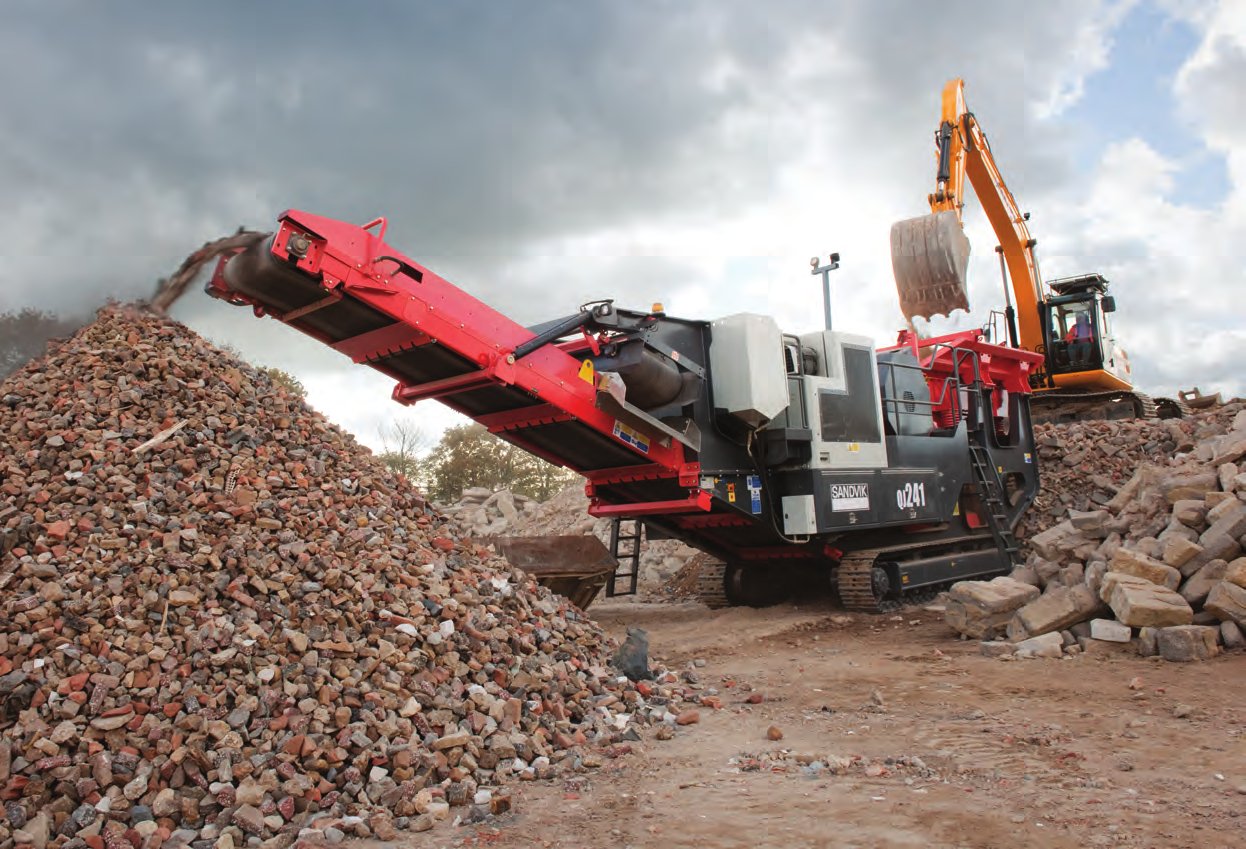
Crawler crushers
Mobile machines that can operate directly at the extraction and processing site.
Principle: Based on various crushing mechanisms (jaw, cone, hammer) mounted on a mobile chassis.
Features: Allow crushing without transporting material to processing equipment, reducing costs and speeding up processing.
Application: Used in quarries and construction sites.
Features of crusher selection for the mining industry
Choosing a crusher depends on several factors:
Material type: Some crushers are more effective for hard and abrasive materials, others for soft and brittle ones.
Fraction size: Jaw and hammer crushers are used for primary crushing; cone and roll crushers for secondary and tertiary processing.
Mobility: For mobile operations, crawler crushers are preferred as they can be easily moved between extraction sites.
Used equipment and technologies
Effective crusher operation uses various technologies and auxiliary equipment:
Conveyors: For transporting crushed material for further processing.
Vibrating screens: For sorting material by fraction after crushing.
Magnetic separators: To remove iron impurities from crushed material.
Hydraulic systems: To adjust pressure and compression force in crushing devices.
Conclusion
Crushers in the mining industry play a vital role in preparing ore and other minerals for subsequent production stages. Correct selection of the crusher type and corresponding equipment depends on the material type, required fraction sizes, and characteristics of the processing workflow.
Conveyors for the mining industry: types, operating principles, and selection features
Conveyors are important equipment for transporting materials in the mining industry, including ore, coal, limestone, and other minerals. They allow efficient movement of materials between processing stages, minimizing labor and ensuring continuous transport.
Main types of conveyors
Belt conveyors
The most common devices for material transport.
Principle: Material is loaded onto the belt at the start and moves along it to the end. Belts can be made of rubber, fabric, or metal depending on the material.
Features: Lightweight and versatile; suitable for bulk materials and large rock fragments.
Application: Transport of ore, coal, sand, gravel, and other materials in quarries and mines.
Scraper conveyors
Designed for materials with high adhesion or those that produce dust and dirt.
Principle: Metal scrapers catch material and move it along the guiding belt.
Features: Ideal for high humidity, low temperature, and dirty conditions.
Application: Transport of coal, sludge, minerals, and other heavy or dirty materials.
Tubular conveyors
A type of belt conveyor where the belt forms a tube, creating a closed system.
Principle: Material moves inside the tube, preventing spillage and environmental contamination.
Features: Suitable for limited spaces or long-distance transport.
Application: Transport of dust, bulk materials, and aggressive chemicals in confined or hard-to-reach areas.
Screw (auger) conveyors
Used for transporting dense or viscous materials.
Principle: Material moves along the conveyor by a rotating screw (auger).
Features: Operate in limited spaces; effectively transport bulk and viscous materials.
Application: Used in mines and processing plants for moving ore, slag, coal, and other materials.
Overhead conveyors
Used for transporting large and heavy materials.
Principle: Materials are placed in containers or hooks moving along a suspended system with rollers or chains.
Features: Can transport objects vertically or on inclined planes.
Application: Transport of ore and other large materials in mines and processing plants.
Features of conveyor selection for the mining industry
When selecting a conveyor type, consider:
Material type and properties: Tubular or scraper conveyors are better for fine or dusty materials; belt or overhead conveyors are suitable for large rock fragments.
Transport distance: Belt and tubular conveyors work well over long distances; screw and scraper conveyors are more limited.
Operating conditions: Scraper and screw conveyors are preferable in high humidity, low temperatures, or dirty environments.
Equipment used with conveyors
Efficient conveyor operation requires auxiliary equipment:
Gearboxes and drives: Provide movement for belts, screws, or scrapers.
Sensors and detectors: Monitor loading, speed, and belt condition.
Rollers and guides: Support and direct belts or other elements, preventing misalignment.
Tensioning mechanisms: Maintain belt tension to prevent slippage and ensure efficient operation.
Conclusion
Conveyors in the mining industry play a key role in transporting materials between processing stages. Proper selection of conveyor type and components depends on material characteristics, transport distance, operating conditions, and production requirements.
Coal mining machines: types, operating principles, and features
Coal mining machines are essential in the mining industry, ensuring efficient and safe operation of coal deposits. Their use depends on the type of deposit and mining method (open-pit or underground).
Main types of coal mining machines
Excavators
Used in open-pit mines for coal and overburden removal.
Types:
Hydraulic excavators: Powerful machines with hydraulic drives for challenging mining conditions.
Mechanical excavators: Use mechanical drives to lift and move rock.
Walking excavators: Mobile units that can move around the site, improving maneuverability.
Draglines: Large bucket cranes for removing large volumes of overburden.
Mining combines
Used for underground coal mining, ensuring high safety.
Principle: Equipped with cutting drums or mills that crush coal and feed it to a conveyor system.
Types:
Rotary combines: Use rotating drums to cut coal.
Shaft combines with mills: Used for deeper coal layers.
Jackhammers
Used for breaking hard rock, especially in hard-to-reach areas.
Principle: Pneumatic or hydraulic drive breaks rock with repeated impacts.
Application: Manual coal extraction or breaking coal layers in mines.
Auger machines
Designed for drilling and extracting coal in confined spaces.
Principle: Rotating screw (auger) captures coal and moves it to a conveyor.
Application: Used in narrow underground workings or low-mechanization areas.
Vibratory excavators and scrapers
Used to move coal in mines and quarries.
Principle: Vibratory excavators create vibrations to ease coal movement.
Application: Scrapers collect coal and transport it to further processing stages.
Conveyors
Actively used for transporting mined coal.
Types:
Belt conveyors: For long-distance coal transport.
Screw conveyors: Used in underground mines.
Operating principles
Open-pit mining: Excavators, draglines, and hydraulic excavators work on the surface, moving soil and extracting coal.
Underground mining: Mining combines, jackhammers, and specialized conveyors operate in confined spaces, breaking rock and transporting coal to the surface.
Automation and safety: Modern systems include automated control, remote operation, and equipment monitoring, enhancing productivity and safety.
Equipment used in coal mining
Hydraulic systems: Lift and move rock.
Gearboxes and drive systems: Move machine parts, e.g., cutting drums on combines.
Auger and chain systems: Transport coal and other materials.
Coal feed and collection mechanisms: Automate movement from extraction to conveyors.
Safety systems: Gas detectors, dust suppression, and explosion protection devices.
Conclusion
Coal mining machines play a key role in extracting coal efficiently and safely. Proper selection of equipment based on mining type (open-pit or underground) and working conditions is crucial for productivity and safety at coal deposits.
Gold mining equipment: types, operating principles, and features
Gold mining requires specialized equipment to extract the precious metal from ore deposits and alluvial deposits. The process includes drilling, crushing, concentration, smelting, and various processing methods to separate gold from impurities.
Main types of gold mining equipment
Drilling rigs
Drilling prepares deposits for gold extraction by creating wells for exploration or blasting.
Types:
Rotary drilling rigs: For exploration and blasting wells, suitable for hard and soft rocks.
Auger drilling machines: Efficient for loose or weak rocks; the auger extracts material.
Pneumatic drilling rigs: Use compressed air to drill hard rock, effective in challenging conditions.
Excavators
Used for rock and alluvial gold extraction in open pits.
Types:
Hydraulic excavators: Lift and move rock using hydraulic systems.
Walking excavators: Highly mobile, suitable for complex terrain.
Draglines: Remove large volumes of overburden.
Concentrators
Used to separate gold from other minerals.
Types:
Gravity concentrators: Use gravity to separate gold from lighter minerals.
Centrifugal concentrators: Use centrifugal force to extract heavy gold particles.
Ball mills: Grind ore to improve gold recovery.
Shaking tables: Separate small gold particles from coarse material.
Crushers
Needed for primary ore processing, breaking large rocks into smaller fractions.
Types:
Jaw crushers: Suitable for primary crushing of large ore.
Cone crushers: Crush smaller particles.
Hammer crushers: Grind material to powder.
Smelting furnaces
Used to separate gold from impurities after extraction.
Types:
Induction furnaces: Provide efficient melting with precise temperature control.
Wet and dry separators
Used for gold extraction from alluvial deposits.
Types:
Washing plants: Use water to wash sand and stones, leaving gold.
Dry separators: For deposits where water processes are ineffective.
Vibrating separators: Separate heavy gold particles from lighter minerals.
Flotation machines
Used to separate gold bound with other minerals.
Types:
Mechanical flotation machines: Use air bubbles to extract gold from dissolved particles.
Column flotation machines: More efficient for fine gold.
Ore processing plants
After gold is separated, further processing is applied.
Methods:
Cyanide leaching: Uses cyanide solution to extract gold.
Amalgamation: Mercury is used to extract gold, especially from alluvial deposits.
Operating principles of gold mining equipment
Drilling: Prepares the deposit for extraction, enabling blasting or installation of extraction systems.
Crushing: Breaks ore into smaller particles to increase the surface area of gold exposure.
Concentration: Gravity and centrifugal forces separate gold from other minerals.
Smelting: Gold is separated from impurities in furnaces at high temperatures.
Flotation: Chemical solutions extract gold from complex ores.
Conclusion
Gold mining equipment is essential for efficient metal extraction. Proper use of specialized machines and technologies increases productivity, improves gold recovery, and ensures economic efficiency and safety in mining operations.
Ore processing equipment: types and operating principles
Ore processing equipment is used to extract valuable components from ore and prepare material for further processing. Efficient equipment separates minerals, improves their quality, and maximizes recovery of useful components with minimal losses.
Main types of ore processing equipment
Crushers
Crushing is the first stage of ore processing, reducing large rocks into smaller pieces for subsequent processes.
Types:
Jaw crushers: Primary crushing of large ore pieces by compressing material between a fixed and a movable jaw.
Cone crushers: Secondary and tertiary crushing, producing finer ore fractions.
Hammer crushers: Effective for soft rocks and fine crushing.
Rotor crushers: Crush medium-hard materials using impact force.
Mills
After primary crushing, mills provide finer grinding to prepare ore for further processing.
Types:
Ball mills: For fine grinding, often used in cyanidation.
Roller mills: Fine grinding of hard minerals.
Roller crushers: Grind various materials, including construction and ore materials.
Concentrators
Concentrators separate valuable minerals from waste rock, increasing the concentration of useful components.
Types:
Gravity concentrators: Separate minerals based on density.
Centrifugal concentrators: Use centrifugal force to separate heavy minerals.
Hydrocyclones: Use liquid rotation to classify particles by density.
Flotation machines: Use chemicals to make particles float and separate.
Magnetic separators: Separate magnetic minerals from non-magnetic ones; commonly used for iron ore.
Screens
Screens sort material by particle size for further processing.
Types:
Vibrating screens: Use vibration to classify ore into different fractions.
Drum screens: Rotate to separate coarse fractions from finer material.
Smelting furnaces
After crushing, grinding, and concentration, smelting extracts metals from ore.
Types:
Induction furnaces: Use electromagnetic fields for controlled melting.
Oxidation furnaces: High-temperature smelting with additional oxidation treatment.
Chemical plants
Chemical methods extract valuable components, such as cyanidation and amalgamation.
Types:
Cyanide plants: Use cyanide solution for gold extraction via leaching.
Hydrometallurgical plants: Process ores like copper and nickel using solvents.
Control and monitoring systems
Modern automation optimizes processes and monitors equipment efficiency.
Types:
Monitoring systems: Track equipment condition and process efficiency.
Automated control systems: Manage crushing, grinding, and ore separation processes.
Operating principles of ore processing equipment
Crushing: Breaks large ore pieces into smaller fractions for easier processing.
Grinding: Mills grind ore to increase the surface area for better mineral recovery.
Concentration: Gravity, flotation, and magnetic separation methods extract valuable components.
Screening: Screens classify material into fractions for further processing.
Smelting and chemical extraction: Furnaces and chemical plants extract metals from ore, improving the quality of the final product.
Conclusion
Ore processing equipment is a crucial part of the mining industry. Efficient use of crushers, mills, concentrators, and other machinery increases productivity, improves product quality, and maximizes recovery of valuable components from ore.
Coal processing equipment: types and processes
Coal processing equipment plays a key role in improving coal quality, producing high-grade coal, and preparing it for various industrial uses. During processing, coal undergoes several stages, including crushing, grinding, enrichment, sorting, preparation, and waste management.
Main stages of coal processing and corresponding equipment
Coal Crushing
Crushing reduces the size of coal fractions, facilitating further processing.
Types of crushers:
Jaw crushers: Used for primary crushing of medium-hard coal; work by compressing material between a fixed and a movable jaw.
Cone crushers: Secondary and tertiary crushing, compressing coal in a conical chamber for smaller fractions.
Hammer crushers: Crush coal with impact force; suitable for soft coal and coal blends.
Rotor crushers: Operate using impact, used for finer crushing.
Coal Grinding
After crushing, coal can be ground into finer particles for use in various technological processes.
Types of mills:
Ball mills: Provide fine grinding, achieving high dispersion.
Roller mills: Grind hard coal between rotating rollers.
Roller crushers: Used for grinding hard coal and other stiff materials.
Coal Enrichment
Enrichment extracts high-grade coal, improves quality, and removes impurities.
Types of enrichment equipment:
Gravity separators: Use gravity to separate coal from waste rock.
Centrifugal separators: Use centrifugal force to separate heavier coal particles from lighter impurities.
Hydrocyclones: Separate coal and gangue based on density.
Flotation units: Use flotation agents to extract coal from slurry, improving quality.
Magnetic separators: Remove iron impurities using magnetic fields.
Coal Sorting
Sorting separates coal into fractions for different uses.
Types of sorting equipment:
Vibrating screens: Classify coal by size using vibration.
Drum screens: Rotate to separate coal into fractions.
Coal Preparation for Use
Processed coal can be prepared for combustion in boilers or metallurgical applications.
Types of preparation equipment:
Coal dryers: Remove moisture to improve combustion and efficiency; include convection, drum, and contact dryers.
Thermal treatment: Some coal undergoes pyrolysis or coking to enhance quality and value.
Waste Management
Coal processing generates waste, which can also be processed or reused.
Types of waste management equipment:
Pneumatic transport systems: Move coal dust and fine particles using air flows.
Hydraulic systems: Extract coal particles from water and other liquid wastes.
Conclusion
Coal processing requires a variety of specialized equipment, each critical at its stage. Crushing, grinding, enrichment, sorting, preparation, and waste management all ensure efficient coal utilization, improved quality, and maximized economic value.
Equipment for Quarries: Types and Functions
Quarry machinery includes a wide range of machines designed for the development of deposits, extraction, and processing of materials. These machines play an important role in the mechanization of processes, ensuring high productivity and safety at all stages of quarry work.
Main Types of Quarry Equipment
Machines for Drilling and Blasting Work
Before extraction begins in a quarry, drilling is often conducted to prepare holes for blasting, which helps break hard rocks for further extraction.
Types of drilling rigs:
Rotary drilling rigs: Used for drilling holes for blasting and exploration.
Pneumatic drilling rigs: Use compressed air to break hard rocks.
Auger drilling rigs: Used for drilling in soft and medium-hard rocks.
Hydraulic drilling rigs: Installed in mines and quarries to drill holes under hydraulic pressure.
Machines for Extraction and Excavation of Rocks
After drilling and blasting, the rock mass must be extracted for further processing and transportation.
Types of excavators:
Hydraulic excavators: Used to excavate and move large volumes of rock.
Walking excavators: Can operate in difficult and heavy conditions.
Draglines: Special excavators with long buckets, designed for extracting large volumes of rock.
Mining combines: Used for underground mining, such as extracting coal or ore, equipped with cutting drums or mills to crush the rock.
Machines for Transportation
Various machines and systems are used to transport the rock mass from the quarry to processing sites.
Types of transport vehicles:
Quarry dump trucks:
Super-heavy dump trucks: Used for transporting large volumes of rock and materials.
Mine dump trucks: Used for transporting materials in underground quarries with limited space.
Conveyor systems:
Belt conveyors: Provide transportation of materials across horizontal and inclined sections.
Pipe conveyors: Used for transporting materials over long distances in confined spaces.
Scraper conveyors: Used for moving larger and heavier materials.
Monorail transport systems: Hanging rail systems for transporting cargo inside mines and quarries.
Equipment for Processing
Various equipment is used to process extracted materials, including crushing, sorting, and enrichment.
Types of processing equipment:
Crushers:
Jaw crushers: For primary crushing of rocks.
Cone crushers: For secondary and tertiary crushing.
Hammer crushers: Use impact mechanisms for breaking materials.
Screens: Devices for sorting rock mass by particle size.
Flotation machines: Used for enrichment of minerals by flotation.
Auxiliary Equipment
To improve working conditions and increase safety in quarries, auxiliary equipment is used.
Types of auxiliary machines:
Pneumatic dust suppression systems: Reduce dust generated during extraction and transportation of materials.
Mine ventilation systems: Provide fresh air for workers in underground quarries.
Hydraulic props: Strengthen the walls of tunnels to prevent collapses.
Automation and Control
Modern technologies allow for the automation of processes, improving safety and efficiency in quarries.
Types of automated systems:
Autonomous dump trucks: Use GPS and sensors for precise transportation, reducing the need for operators.
Robotic excavators and drilling rigs: Perform work without human involvement, enhancing safety.
Monitoring systems: Use sensors to monitor the condition of equipment and warn of failures.
Conclusion
Quarry equipment includes a wide range of machines that efficiently perform tasks related to drilling, extraction, transportation, and processing of materials. The use of modern equipment contributes to increased productivity, safety, and reduced costs at all stages of quarry work.
Mining Equipment: Types and Functions
Mining equipment is used in the mining industry for the development of mineral deposits in underground mines. It includes various machines and devices that ensure drilling, extraction, transportation, processing of materials, and maintaining safe working conditions in mine workings.
Main Types of Mining Equipment
Drilling Rigs
Drilling rigs create holes and shafts, allowing the rock to be prepared for subsequent blasting and extraction.
Types of drilling machines:
Auger drilling machines: Used for drilling holes in soft and medium-hard rocks.
Rotary drilling rigs: Used for drilling holes for blasting work in hard rocks.
Hydraulic drilling rigs: Used for drilling holes in underground mines, equipped with hydraulic systems to improve efficiency.
Mining Equipment for Extraction
After drilling and blasting, minerals must be extracted.
Types of mining machines:
Mining combines: Equipped with cutting drums or mills for underground extraction of coal, ore, and other minerals.
Pneumatic drills: Hand tools for breaking hard rocks, used for finishing work in mines.
Pneumatic hammers: Use compressed air to break hard rocks.
Crusher machines: Used for primary crushing of rocks at extraction sites.
Transportation Machines
Transportation of rock mass and extracted minerals inside the mine and to the surface is a crucial part of the mining process.
Types of transport vehicles:
Mine dump trucks: Transport extracted rock in underground workings, small in size and reinforced for operation in challenging conditions.
Conveyors (belt and scraper conveyors): Used for transporting materials inside the mine and moving minerals to processing plants.
Monorail transport systems: Hanging rail systems for transporting materials through mine workings.
Electric locomotives: Used to transport minerals over long distances inside the mine.
Processing Equipment
After extraction, minerals require processing to obtain necessary fractions and improve their quality.
Types of processing machines:
Crushers:
Jaw crushers: For primary crushing of rocks and minerals.
Cone crushers: Used for secondary and tertiary crushing.
Hammer crushers: Use impact hammers to break hard rocks.
Screens: Used for sorting rock mass by fraction and separating materials into different-sized particles.
Flotation machines: Used for ore enrichment by flotation, separating valuable minerals from waste rock.
Auxiliary Equipment
Additional equipment is used to ensure safe working conditions in mines and improve their efficiency.
Types of auxiliary machines:
Mine ventilation systems: Provide fresh air and remove polluted air.
Hydraulic props: Used to support the walls of mine workings, preventing collapse.
Dust suppression systems: Reduce dust in the air within mines, improving working conditions.
Mine pumps: Used for pumping water out of mines to prevent flooding.
Automation and Control
Modern technologies automate processes in mines, improving safety and efficiency.
Types of automated systems:
Remote control systems: Allow operators to control equipment and machinery from a distance, reducing risks to personnel.
Intelligent monitoring systems: Track the condition of equipment, detect faults, and predict breakdowns.
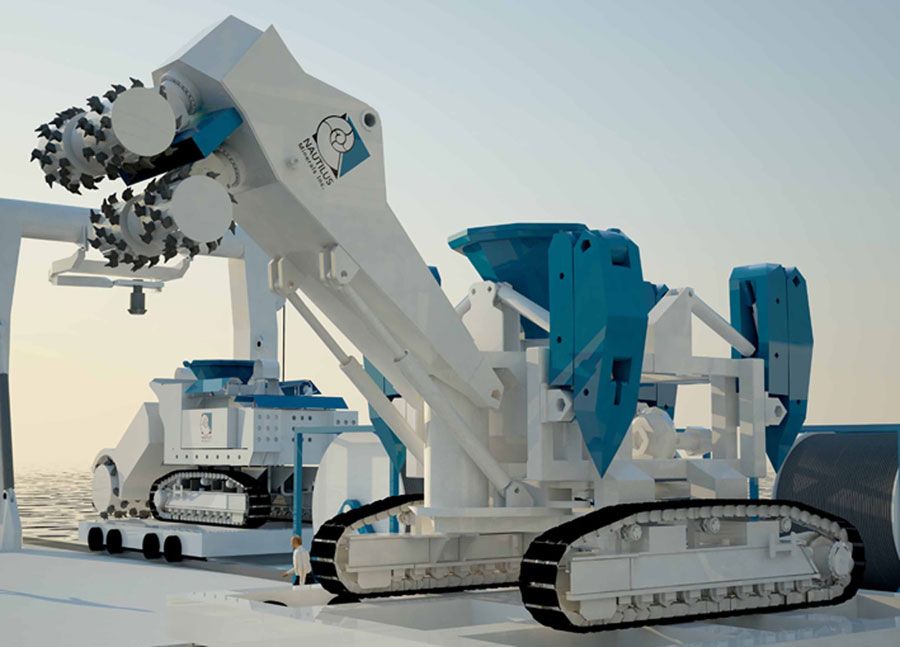
Autonomous mining machines: Automate extraction and transportation processes, reducing the need for human labor and increasing operational precision.
Conclusion
Mining equipment plays a key role in the mining industry, ensuring the safety and efficiency of the processes of extraction, processing, and transportation of minerals in underground conditions. Modern automation and control technologies significantly increase productivity and safety at all stages of mine operations.
Our services
SUPPLIER SEARCH AND VERIFICATION IN CHINA
Equipment search through partner databases, by countries worldwide, and among industry leaders.
BEST PRICES FOR EQUIPMENT FROM CHINA
Our local representatives will get you the best prices directly from manufacturers.
COUNTERPARTY VERIFICATION IN CHINA
Verification of the company’s registration date, licenses, litigation history, and actual address.
DELIVERY TERMS FROM CHINA
We will deliver your order on the most favorable logistics terms for you (air, rail, or truck).
CONTRACTING
Preparation of export-import contracts: Customs clearance procedures in China and customs clearance in Uzbekistan.
QUALITY CONTROL
Our local representatives control the entire production process of equipment and goods.
LOGISTICS
Supervision of the loading process, providing photo and video reports.
INSTALLATION
Commissioning works and staff training in Uzbekistan.
Our additional services
The main goal of the company Grande is to organize mutually beneficial cooperation between entrepreneurs and companies from around the world and China.
Fast and reliable delivery of goods from China to any destination.
Find a partner for cooperation with China right now.
Reliable purchase of equipment from China with guaranteed quality and reliability.
High-quality verification of Chinese companies before cooperation and investment.
Reliable delivery of goods from China directly to your warehouse.
Wholesale purchase of goods from China on favorable terms.
Directions
The company “Grande” offers an unlimited selection of high-quality, high-tech equipment, machines, installations, and technical tools from leading Chinese manufacturers on a turnkey basis and provides recommendations to its clients on all matters related to purchasing equipment and goods.
We will assist you in selecting agricultural equipment and machinery for growing, harvesting, sorting, and processing fruit and vegetable crops, as well as other types of agricultural production.
Supply of high-quality equipment and belts for food production. Familiarize yourself with the list of main types of machines used in the food industry.
Comprehensive solutions for the light industry from China at affordable prices. Equipment for raw cotton processing, textile printers, weaving machines, textile dyeing equipment, and more.
We offer a wide range of equipment for the production of construction materials. With us, you’ll find machinery for manufacturing paints and varnishes, equipment for producing ceramic materials and products, as well as other types of equipment at the best prices.
Specialized machinery for use in the mining industry, including rock crushing equipment, mineral exploration tools, equipment for extracting mining and chemical raw materials, and other machinery from Chinese manufacturers at the best prices.
We offer innovative equipment for extracting metals from ores or other types of raw materials, as well as technology related to altering the chemical composition, structure, and properties of metal alloys, and the production of various metal products from them.
Turnkey logistics.
Delivery of goods, raw materials, and supplies directly from China to your city.
Entrust your business to professionals
Our company has extensive experience in direct cooperation with Chinese firms. Grande specialists assist businesses daily in purchasing high-quality products from trusted Chinese suppliers. Moreover, Grande will help you with all documentation and ensure delivery of your goods to your warehouse or site.