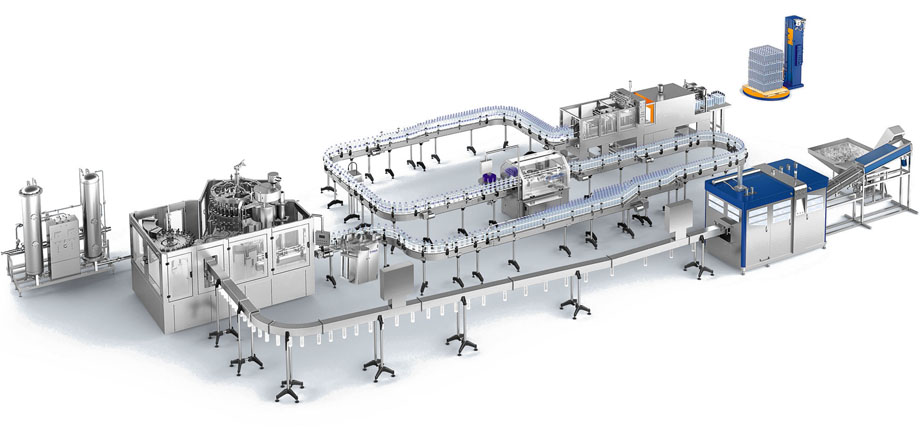
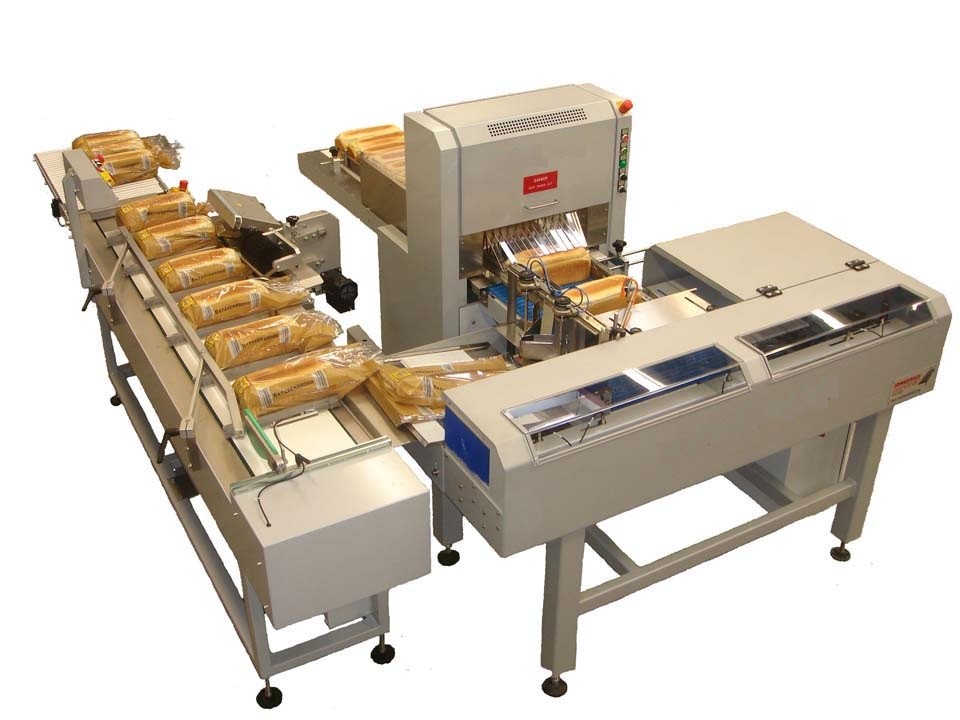
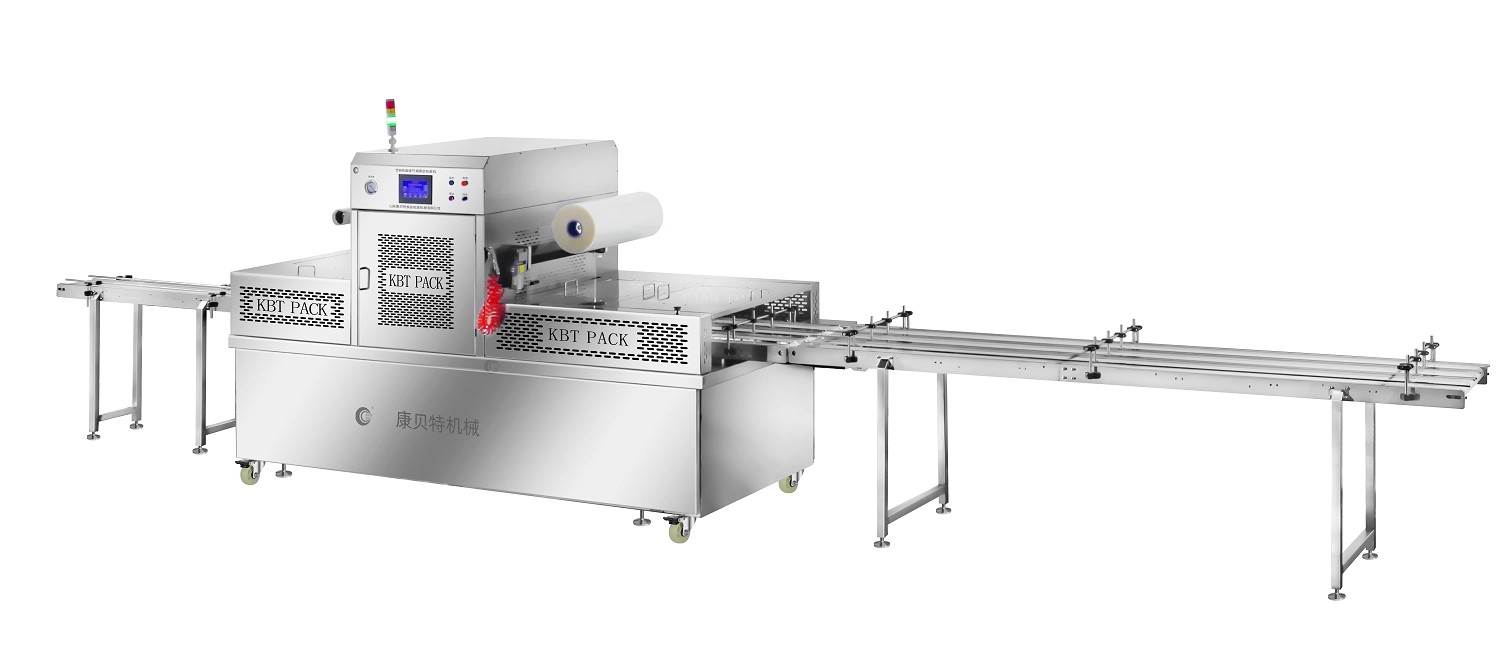
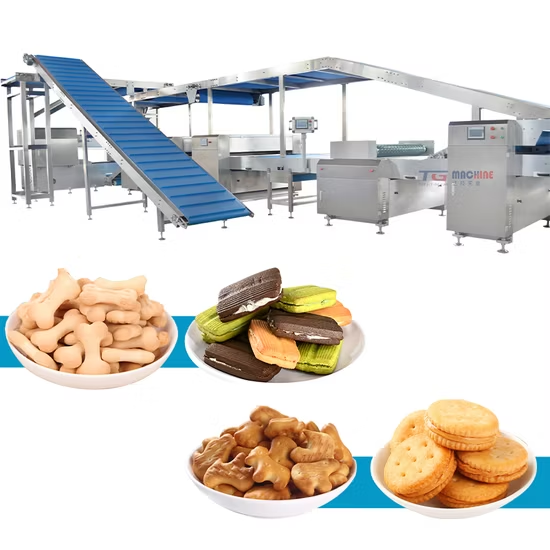
Equipment from China for food production
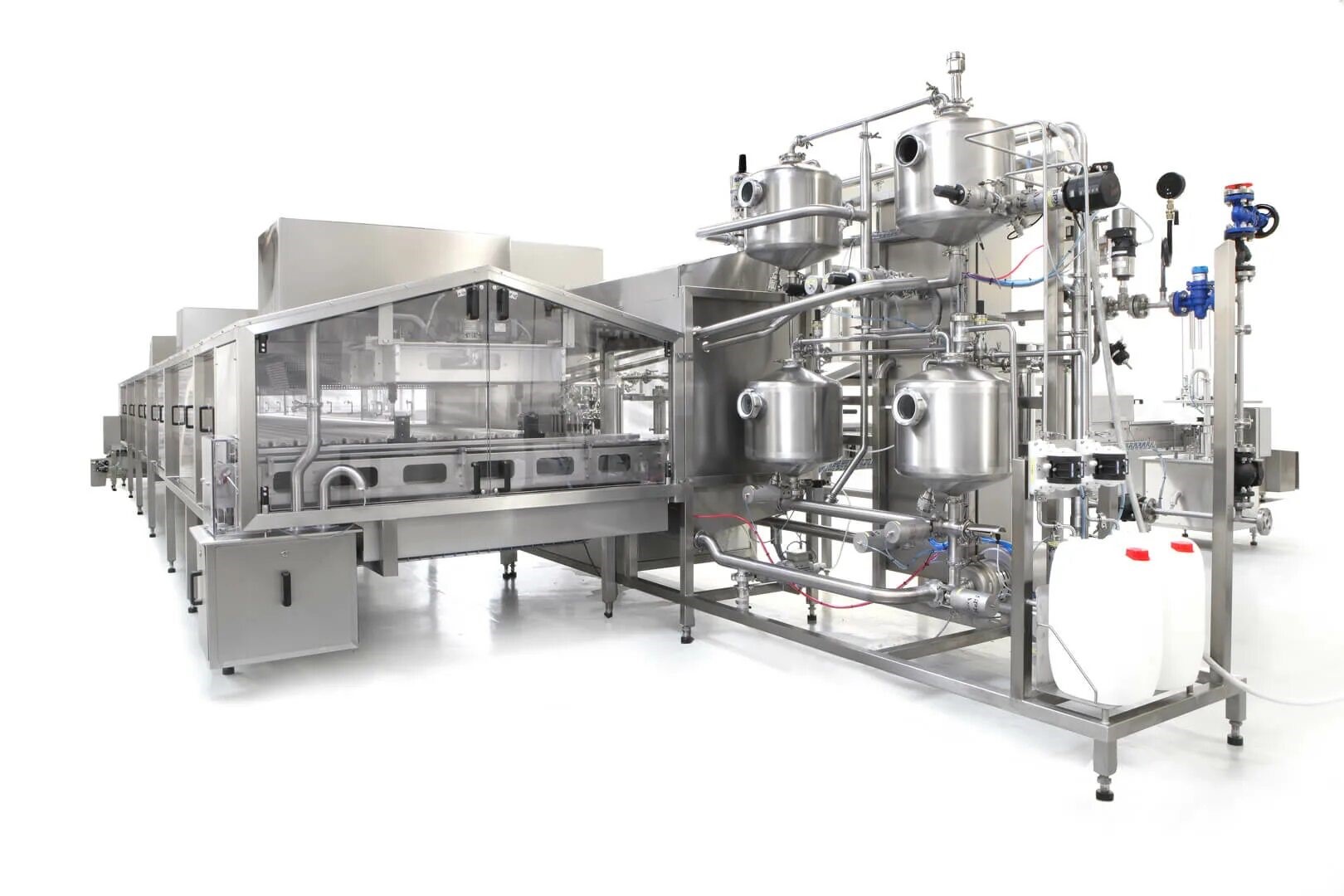
We offer the latest models of popular equipment and production lines for food manufacturing. Our competitive prices and transparent terms are complemented by fast delivery.
Contact us and get a free consultation.
We cooperate with the best manufacturers


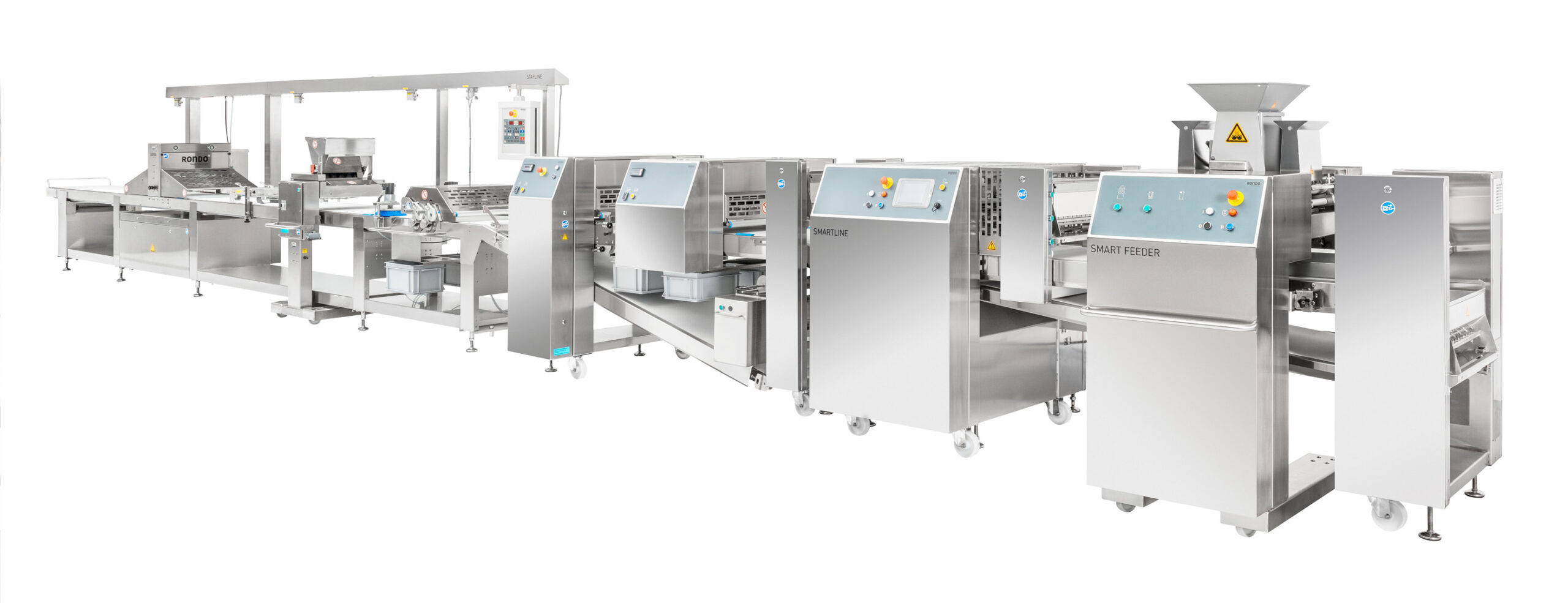
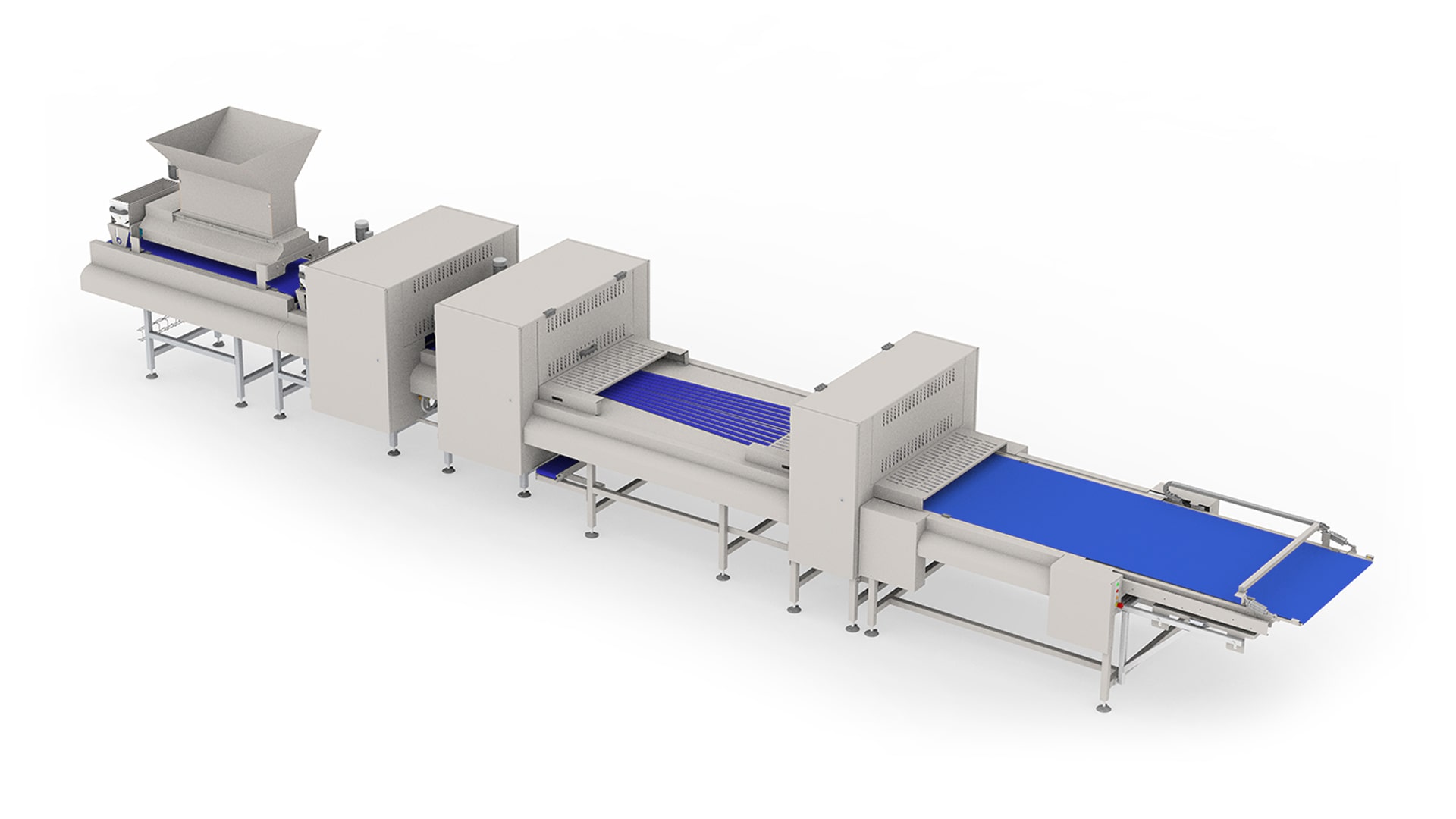
Bakery Production Lines and Equipment
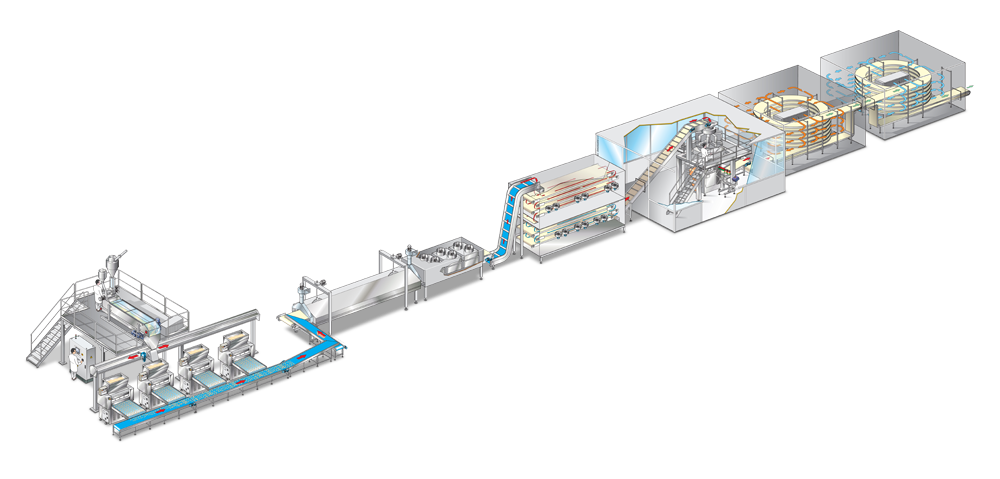
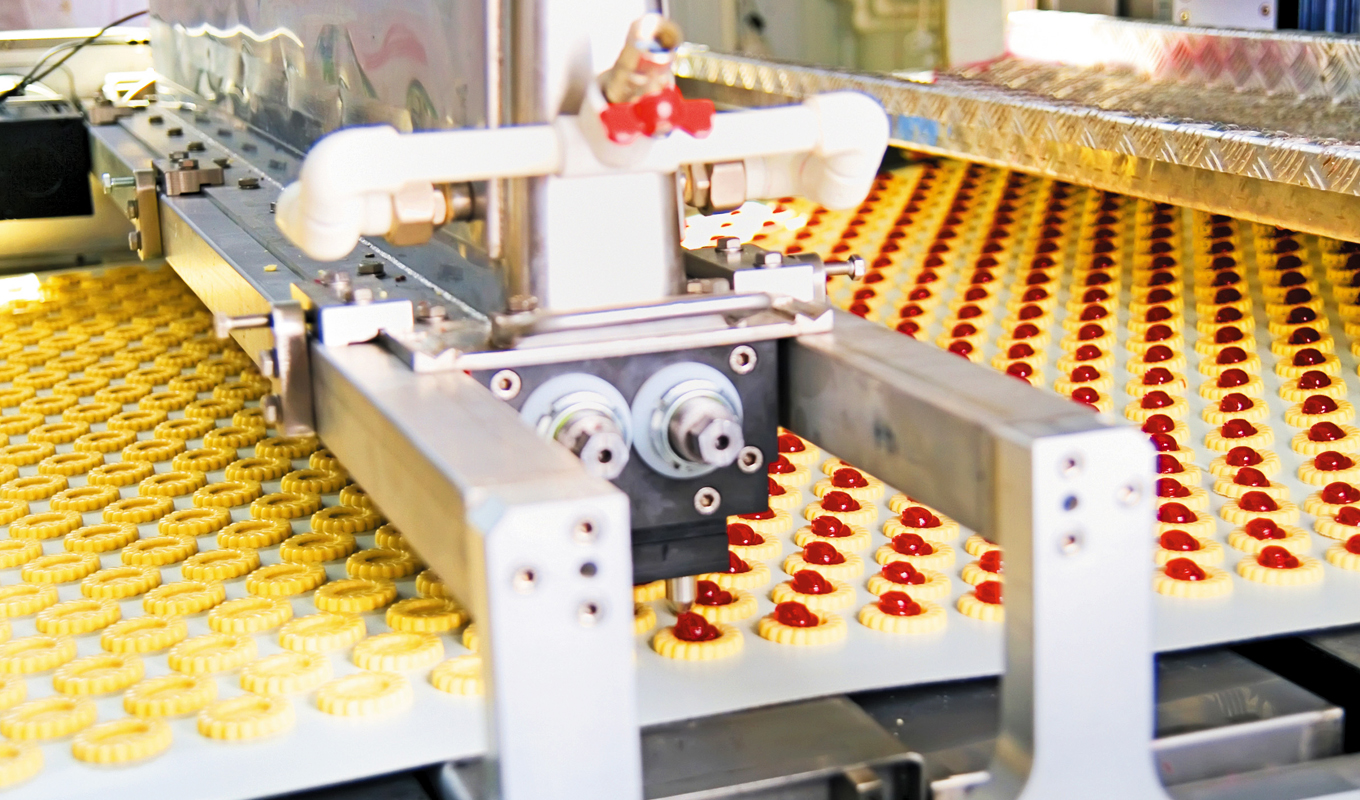
Bakery production lines are designed to automate processes from raw material preparation to packaging of finished products. Depending on the scale of production and type of products, different equipment and technologies are used.
1. Raw Material Preparation
🔹 Equipment:
• Mills – grind grain into flour.
• Sieves – remove impurities and aerate the flour.
• Mixers – combine flour with water, yeast, sugar, salt, oils, and other ingredients.
• Dough mixers (spiral, planetary) – knead dough to a uniform consistency.
🔹 Process:
Milling → 2. Sieving → 3. Dough mixing
2. Proofing and Fermentation
🔹 Equipment:
• Proofing chambers – maintain required temperature and humidity for dough rising.
• Fermenters – allow dough to rest, improving flavor and structure.
🔹 Process:
Fermentation → 2. Proofing
3. Dough Shaping
🔹 Equipment:
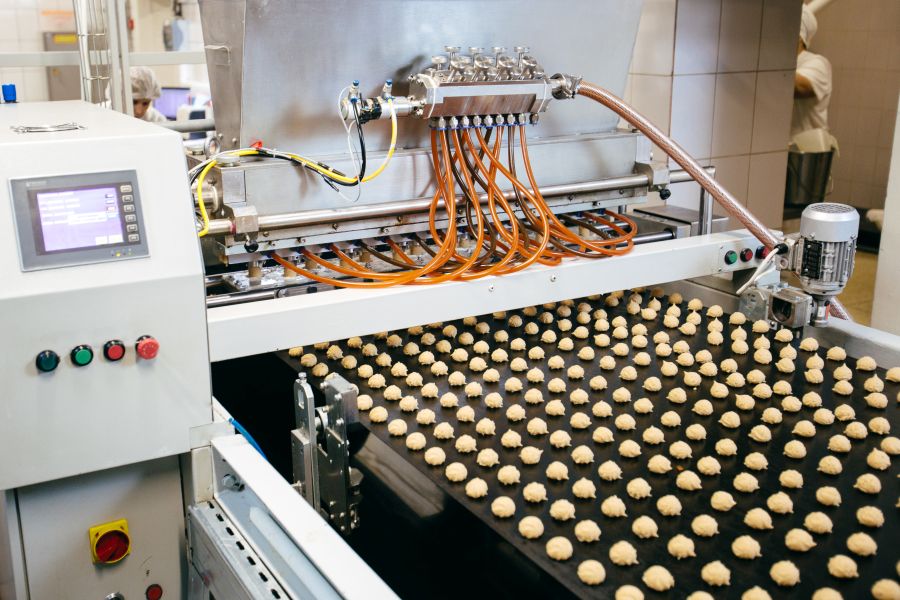
• Molding machines – divide dough and shape it.
• Calenders – roll dough to desired thickness.
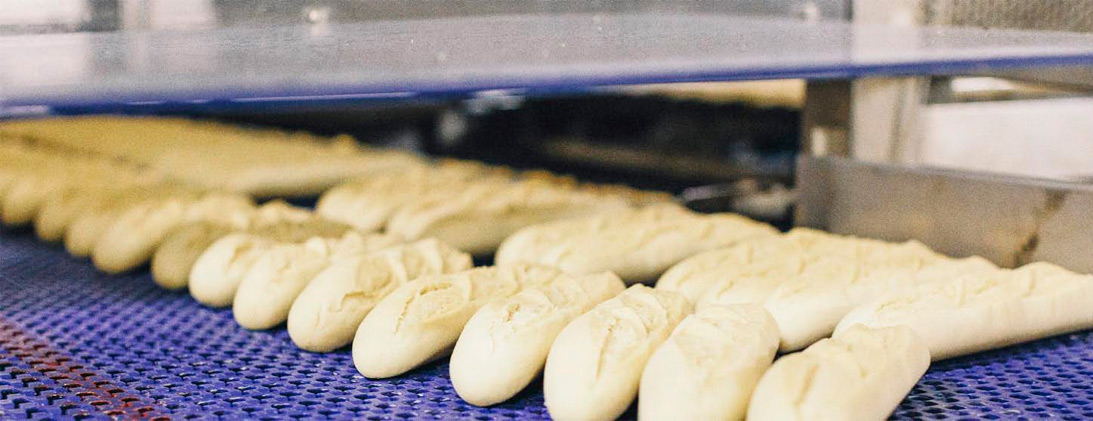
• Automatic lines – shape baguettes, buns, pies.
🔹 Process:
Dough division → 2. Shaping → 3. Rolling (if needed)
4. Baking
🔹 Equipment:
• Ovens (rotary, tunnel, convection) – bake products.
• Grills – for specific bakery items like buns and pies.
🔹 Process:
Baking → 2. Cooling
5. Cooling and Packaging
🔹 Equipment:
• Cooling tunnels – evenly cool finished products.
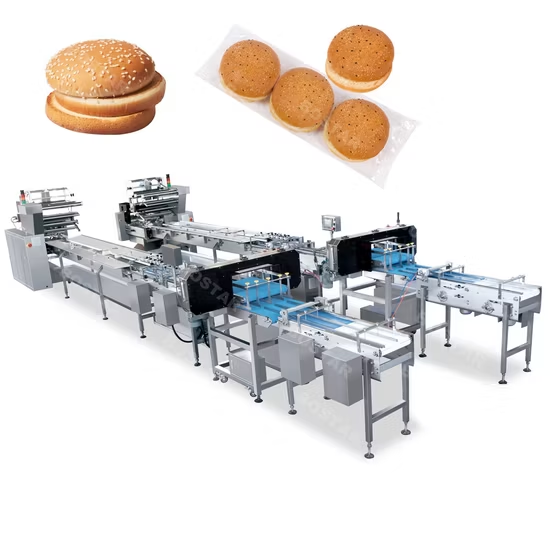
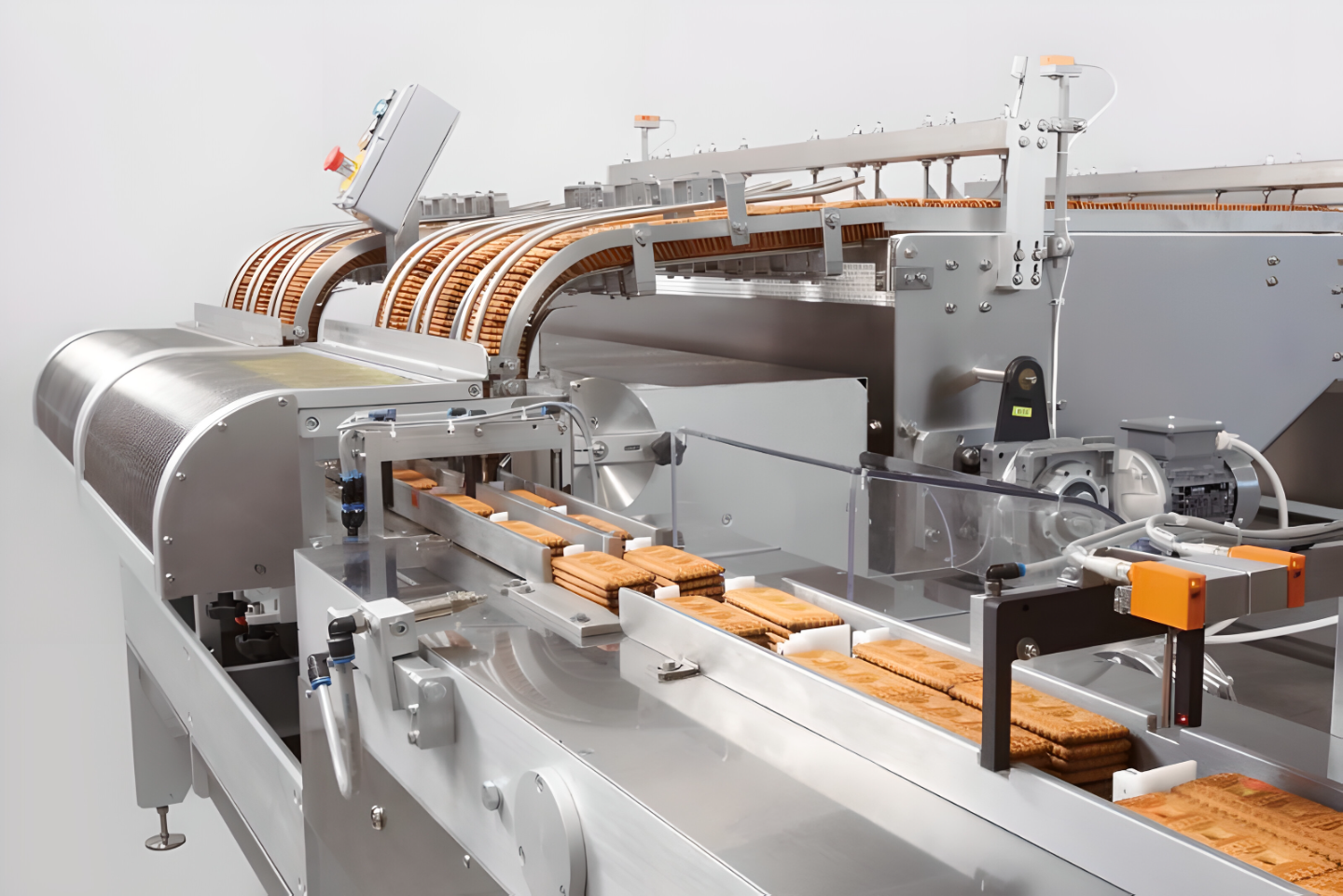
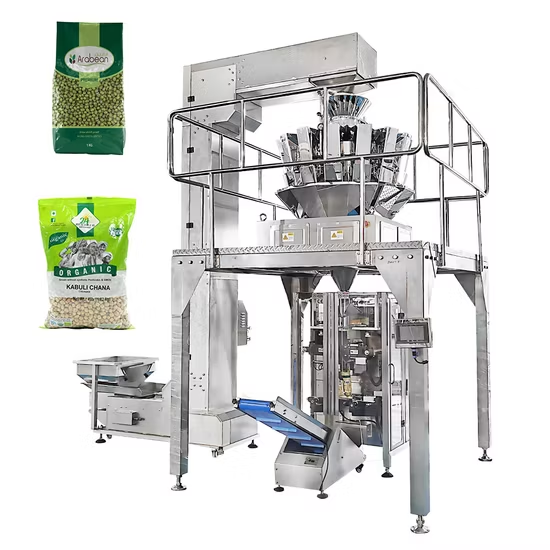
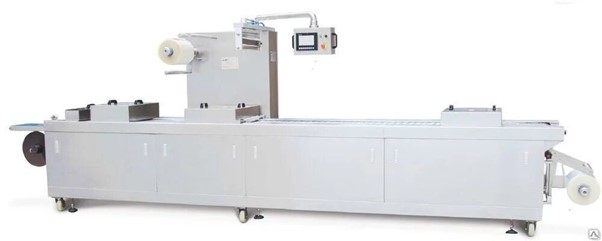
• Packaging machines – pack products into film, boxes, or bags.
🔹 Process:
Cooling → 2. Filling and packaging
6. Additional Equipment
🔹 Auxiliary equipment:
• Dough mixers with automatic ingredient feeding – simplify the mixing process.
• Thermal units – regulate humidity in production areas.
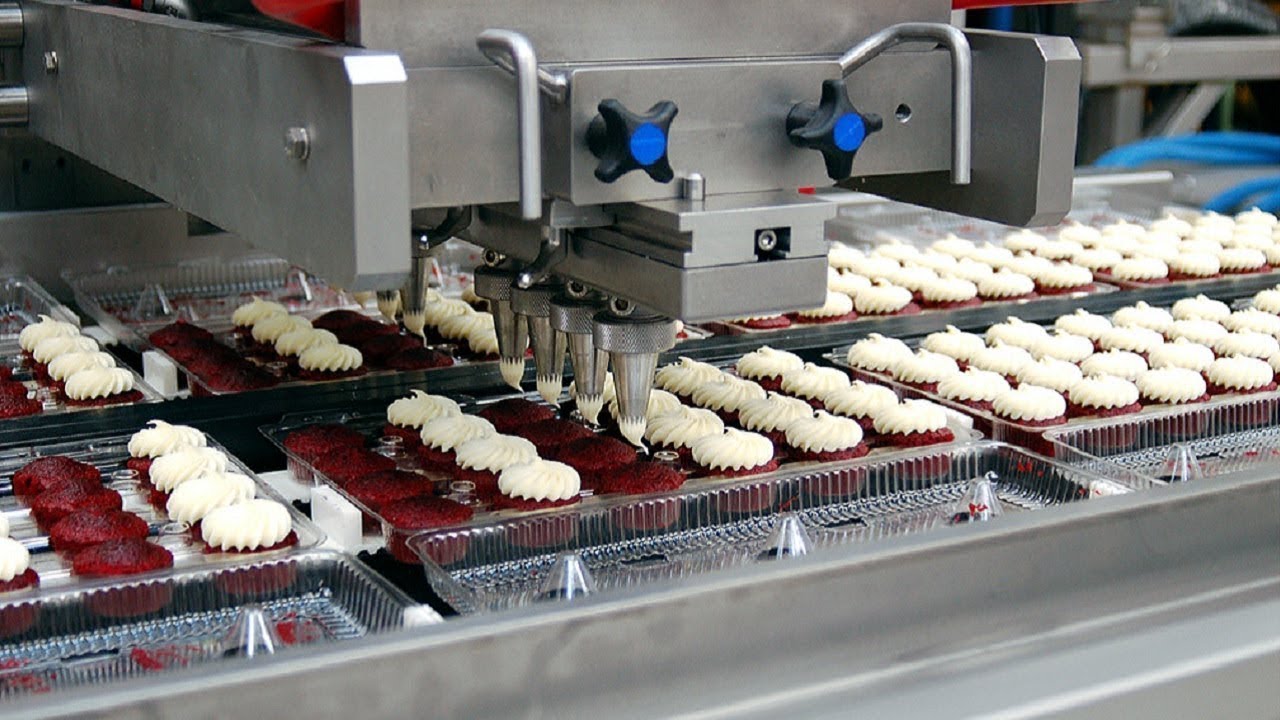
• Decorating and glazing lines – used in confectionery production.
7. Main Types of Production Lines
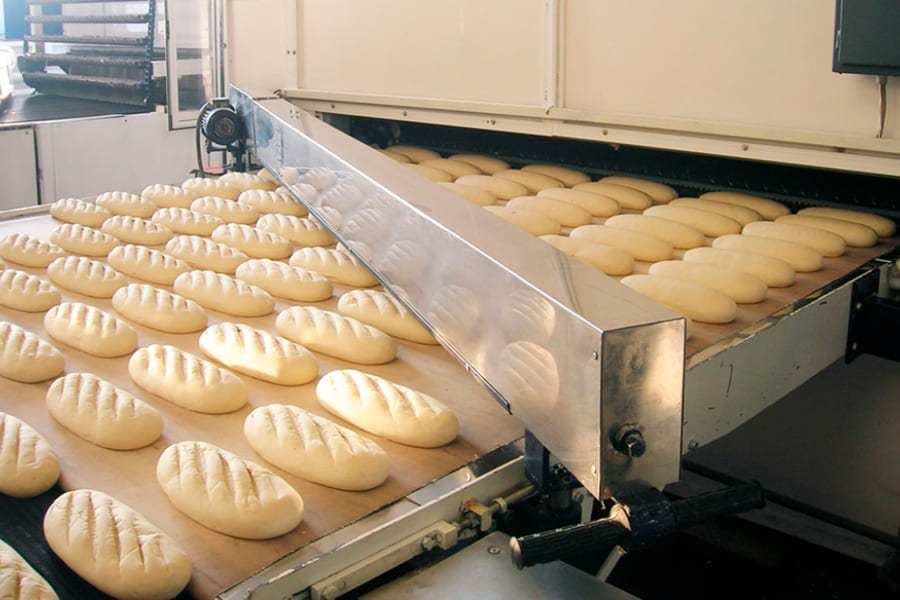
• Bread lines – from mixing to baking standard bread products.
• Bun and pie lines – with additional shaping modules.
• Cracker and biscuit lines – focused on drying and long baking.
• Confectionery lines – including glazing, decoration, and freezing stages.
Production lines can be fully automated or semi-automatic depending on the enterprise’s needs.
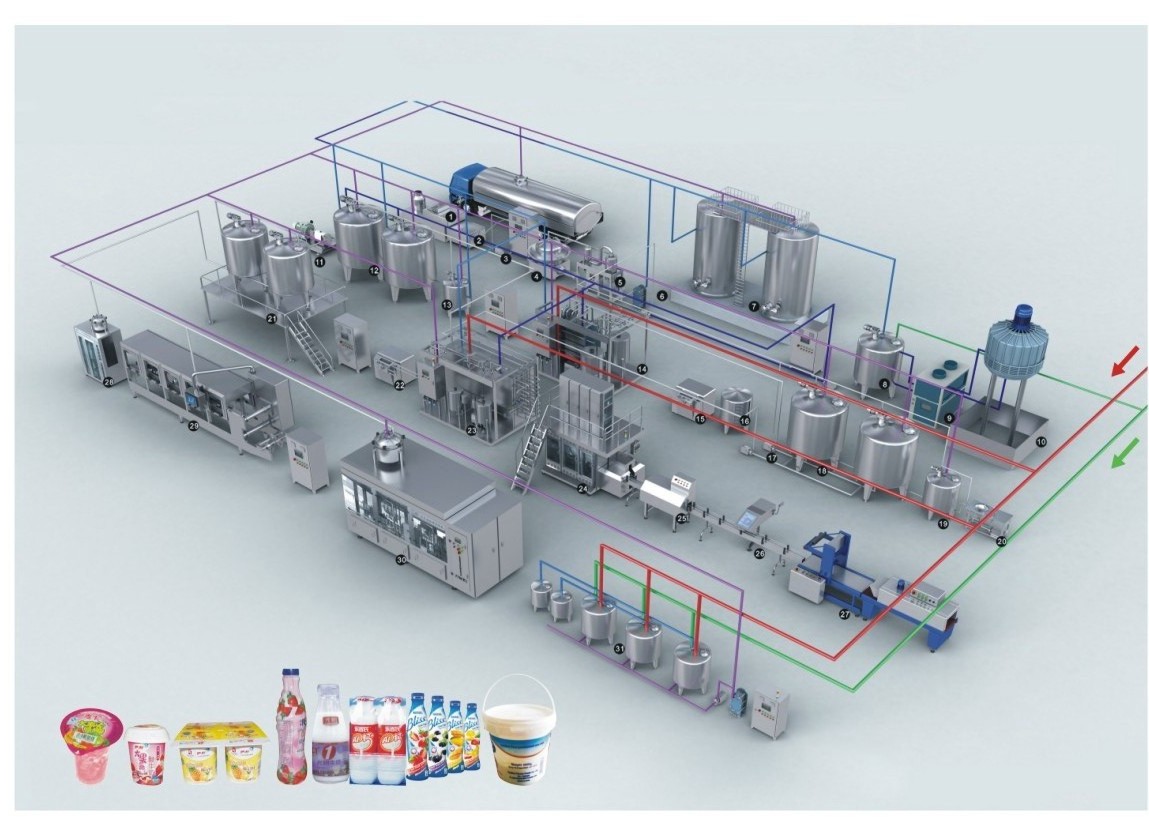
Dairy Industry Production Lines and Equipment
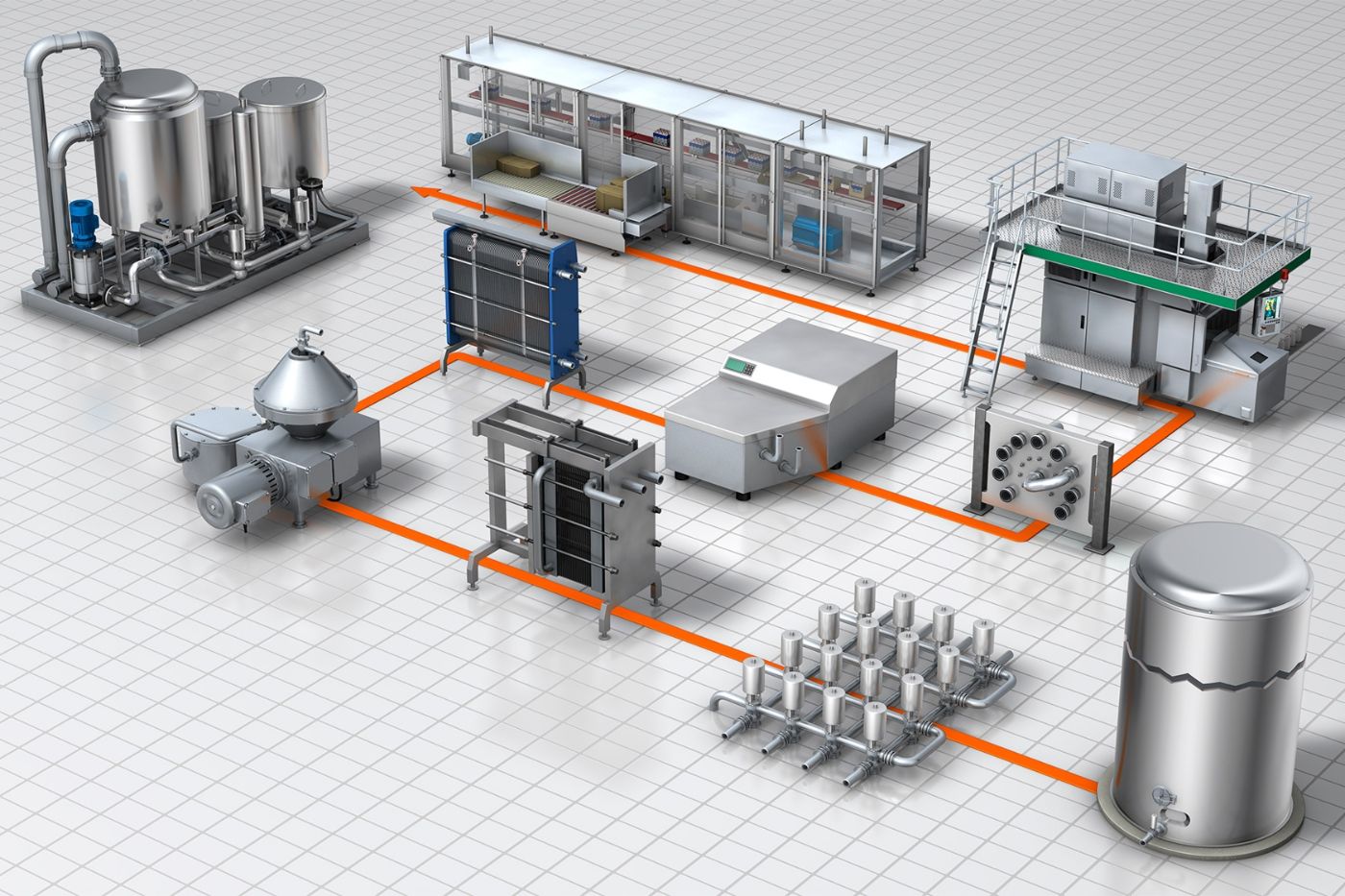
Dairy production lines cover the entire milk processing chain, including reception, cleaning, pasteurization, fermentation, cheese, butter, yogurt, ice cream production, and packaging of finished products. Below is an overview of the main equipment used at each stage.
1. Milk Reception and Cleaning Equipment
• Milk reception units – systems for receiving, cooling, and storing milk.
• Filtration devices – remove mechanical impurities.
• Milk purifiers – eliminate contaminants and impurities.
• Cooling units – maintain required storage temperature.
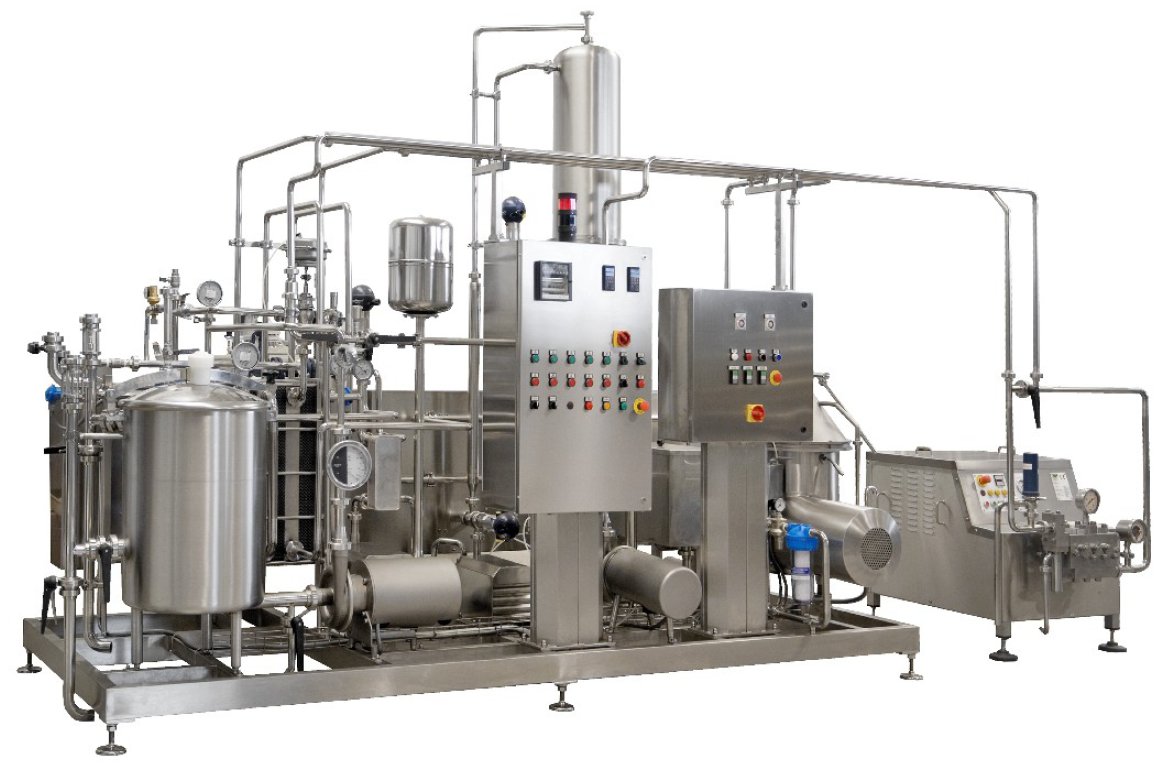
2. Pasteurization and Homogenization Equipment
• Pasteurization units – heat milk to 72–85°C to kill bacteria.
• Ultra-high temperature (UHT) units – heat milk to 135°C for long shelf life without refrigeration.
• Homogenizers – prevent fat separation, improving product texture.
3. Equipment for Fermented Dairy Products
• Yogurt and kefir incubators – maintain optimal fermentation conditions.
• Starter culture dosing systems – precise addition of bacterial cultures.
• Fermenters – allow products to mature properly.
4. Cheese Production Equipment
• Cheese vats – process milk into curd.
• Pressing devices – remove whey and form curd mass.
• Cheese molds – shape the final cheese.
• Ripening chambers – maintain correct conditions for cheese maturation.
5. Cream and Butter Production Equipment
• Cream separators – separate cream from milk.
• Butter churns – turn cream into butter.
• Butter packaging equipment – automatic packaging of butter.
6. Ice Cream Production Equipment
• Ingredient mixing machines – prepare ice cream base.
• Pasteurizers – heat treatment of the mixture.
• Freezers – controlled freezing and mixing.
• Molding machines – shape ice cream.
• Packaging machines – pack ice cream into containers.
7. Dairy Product Packaging Equipment
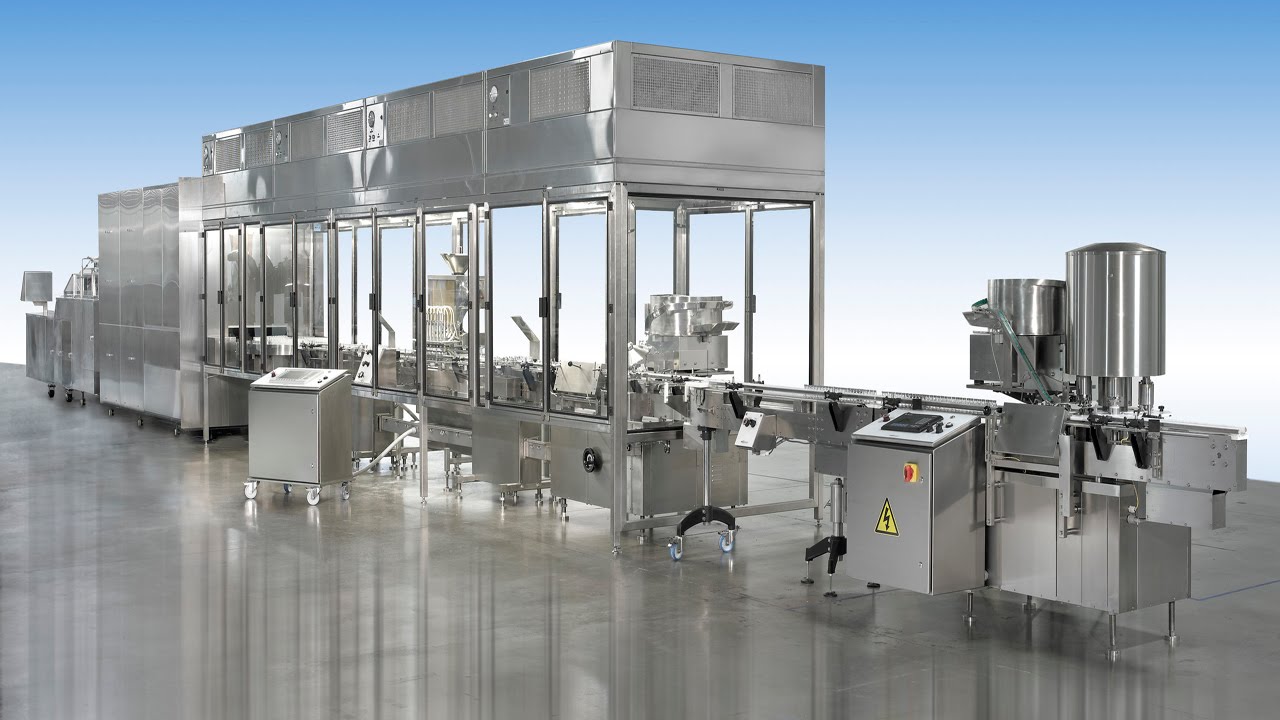
• Filling machines – automatic filling into bottles, bags, cartons.
• Portioning machines – pack cheese, butter, yogurt.
• Shrink-wrapping machines – protect products.
8. Quality Control Equipment
• Scales and dispensers – precise measurement of components.
• Laboratory equipment – product quality analysis.
• Temperature control systems – maintain optimal conditions throughout production.
9. Storage and Transportation Equipment
• Milk tanks – transportation of dairy products.
• Cold storage rooms – maintain required storage conditions.
• Cooling systems – keep proper temperature during packaging and transport.
Main Production Stages:
Milk cleaning and filtration
Pasteurization and homogenization
Dairy product manufacturing (yogurt, cheese, butter, etc.)
Automatic packaging
Storage and transport with refrigeration systems
Conclusion:
Dairy production lines integrate comprehensive equipment for processing, storing, and packaging dairy products. They ensure safety, consistent quality, and long shelf life of products.

Pasta Production Lines and Equipment
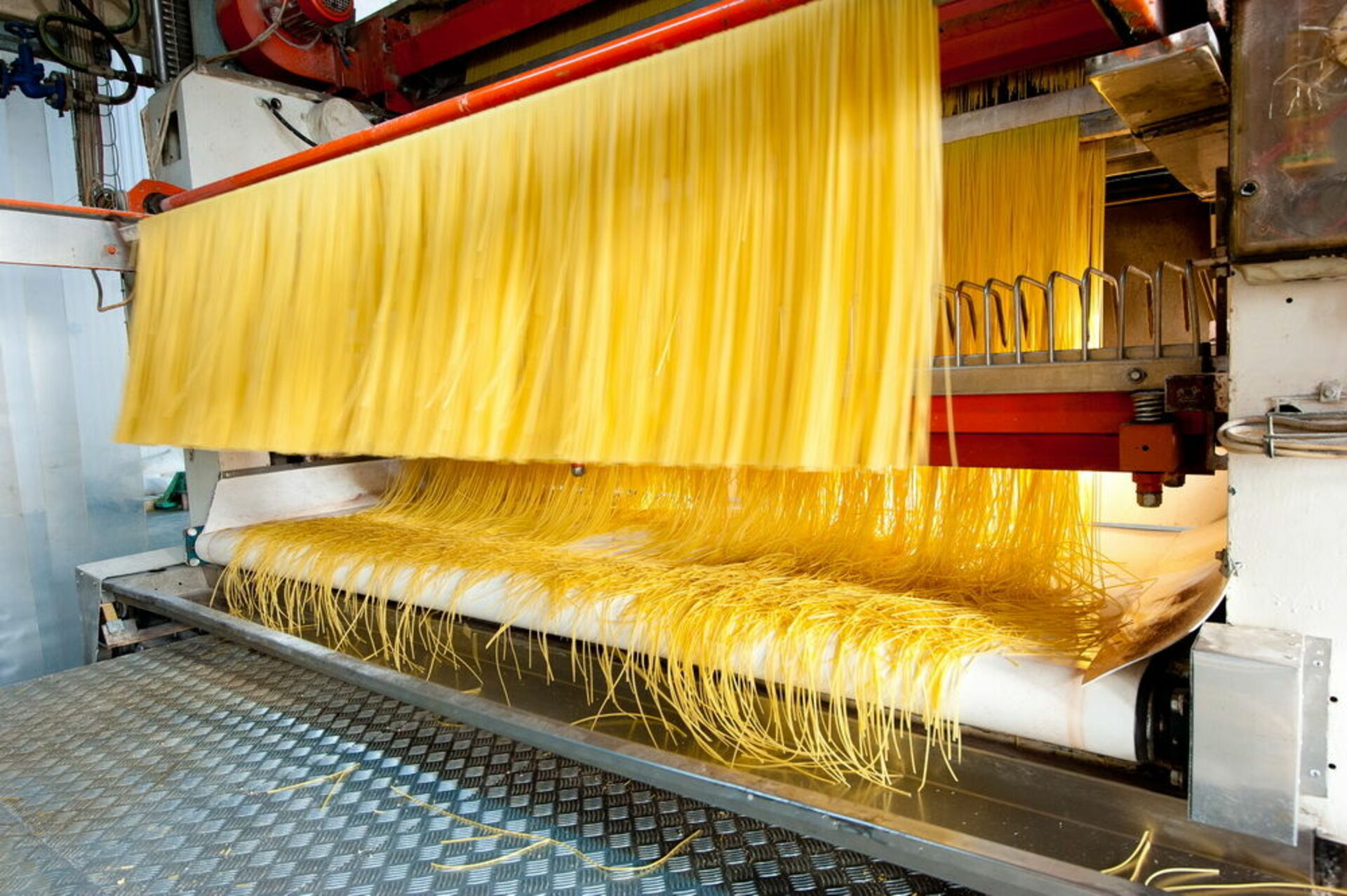
Pasta production lines encompass several key stages, from dough preparation to packaging of the finished product. They can be used for both mass production and in small-scale workshops, enabling the output of various pasta types (spaghetti, macaroni, lasagna, shells, and others). Let’s consider the main types of equipment used at each stage.
1. Equipment for Raw Material Preparation
Flour Mills – grind grain into flour, the main raw material for pasta.
Mixers – blend flour with water, eggs, salt, and other ingredients.
Flour Sifters – remove large particles and impurities from the flour.
2. Equipment for Kneading and Forming Dough
Dough Mixers (Kneaders) – knead the dough; they vary in capacity.
Screw Extruders – force dough through dies, creating various pasta shapes.
Roller Presses – roll out dough to the required thickness before shaping.
3. Equipment for Pasta Drying
Drying Chambers – prevent product spoilage; they can be:
Natural/Natural Convection – drying at ambient temperature.
Artificial/High-Temperature – with controlled parameters.
Rotary Dryers – ensure uniform drying.
Tunnel Dryers – maintain different temperature and humidity levels throughout the drying process.
4. Packaging Equipment
Packaging Machines – for automatic and semi-automatic packaging into boxes, bags.
Sealing Machines – ensure product preservation.
Labeling Machines – apply markings to the packaging.
5. Auxiliary Equipment
Quality Control Systems – analyze moisture content, texture, pasta dimensions.
Automatic Lines – minimize human involvement by integrating drying and packaging.
6. Types of Production Lines
For Short Pasta – penne, rigatoni, fusilli, etc.
For Long Pasta – spaghetti, linguine.
For Fresh Pasta – forming, packaging, refrigerated storage.
For Egg Pasta – additional functions for egg mixing/integration.
For Gluten-Free Pasta – designed for working with alternative flours.
7. Additional Processing
Pasta Enrichment – adding herbs, spices, seeds.
Cooling Before Packaging – reduces brittleness during storage.
8. Automated Lines
Small-Scale Lines – extruders, drying machines, packaging equipment with limited automation.
Large-Scale/Large-Capacity Lines – full production cycle, including all stages.
9. Types of Pasta Packaging
Plastic Bags – a popular option.
Cardboard Boxes – for large volumes.
Resealable Bags – convenient for storage.
The choice of equipment depends on the type of pasta being produced and the enterprise’s needs, ensuring efficient and high-quality production.
Production Lines and Equipment for Semi-Finished Products
Production lines for semi-finished products play a key role in processing various types of raw materials into ready-to-cook semi-finished items, which can be used for further meal preparation. Semi-finished products include meat, fish, vegetable, dough-based items, and others. The equipment for their production covers numerous processes such as raw material processing, forming, thermal treatment, freezing, and packaging.
1. Equipment for Meat and Meat Product Processing
Equipment:
Meat Grinders – for grinding meat into mince with adjustable coarseness settings.
Cutters – for chopping meat and mixing it with additives (spices, vegetables, fats), used in the production of sausages, patties, and other meat products.
Mince Mixers – for the uniform distribution of ingredients in the mince.
Forming Machines – for shaping semi-finished products like patties, dumplings, meatballs.
Frying Equipment – for the thermal processing of semi-finished products (e.g., frying patties or chicken nuggets).
Smoking Chambers – for imparting a specific flavor to meat through smoking.
Packaging Machines – for packaging meat products in vacuum or modified atmosphere packaging to extend shelf life.
Processing Process:
Raw material preparation (grinding, cutting)
Forming
Thermal treatment (frying, smoking)
Packaging
2. Equipment for Fish Semi-Finished Product Production
Equipment:
Filleting Machines – for removing fish fillets, enabling the production of various fish semi-finished products (fillets, cuts, portioned pieces).
Salting Installations – for preparing fish for salting and subsequent storage.
Machines for Processing Fish into Pâtés – for grinding fish into paste-like semi-finished products.
Fish Patty Forming Machines – for shaping fish patties, meatballs, croquettes.
Freezers – for quick-freezing fish and fish products.
Packaging Machines – for packaging fish in vacuum bags or containers.
Processing Process:
Raw material preparation (filleting, cutting)
Forming (including fish patties)
Freezing
Packaging
3. Equipment for Vegetable Semi-Finished Product Production
Equipment:
Vegetable Washing Machines – for cleaning vegetables before processing.
Vegetable Cutting Equipment – for cutting vegetables into cubes, slices, julienne strips, and other shapes.
Screw Juicers – for extracting juice from vegetables and fruits.
Blanching Installations – for preliminary thermal treatment of vegetables before freezing.
Portioning and Packaging Equipment – systems for packaging vegetable semi-finished products into bags, containers, or jars.
Freezers – for freezing vegetables to preserve their nutrients and taste qualities.
Processing Process:
Washing
Cutting
Blanching / Freezing
Packaging
4. Equipment for Dough-Based Semi-Finished Product Production
Equipment:
Dough Mixers – for mixing flour with water, yeast, and other ingredients.
Dough Sheeters – for rolling out dough.
Forming Machines – for shaping dough-based semi-finished products (dumplings, pasties, pies, buns, and others).
Baking Ovens – for the thermal treatment of products.
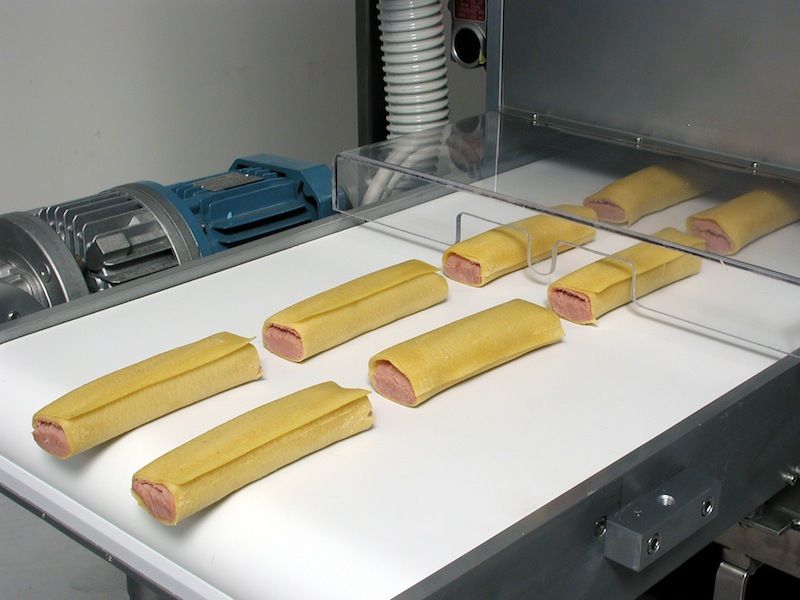
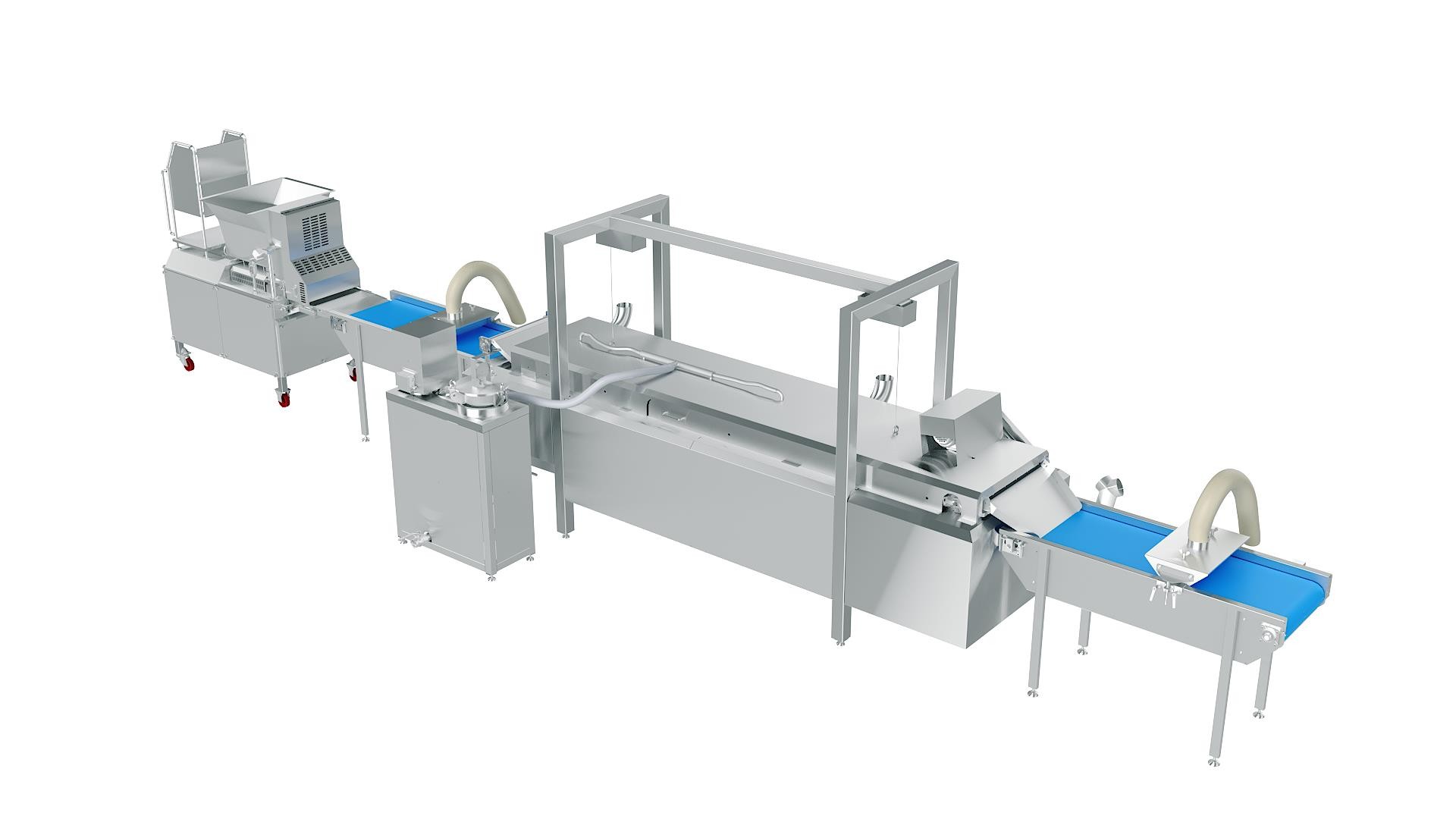
Frying Machines – for deep-frying semi-finished products in oil.
Packaging Equipment – for packaging baked or fried products.
Processing Process:
Dough preparation
Forming
Baking / Frying
Packaging
5. Equipment for Dough Dumpling Production (Pelmeni, Vareniki)
Equipment:
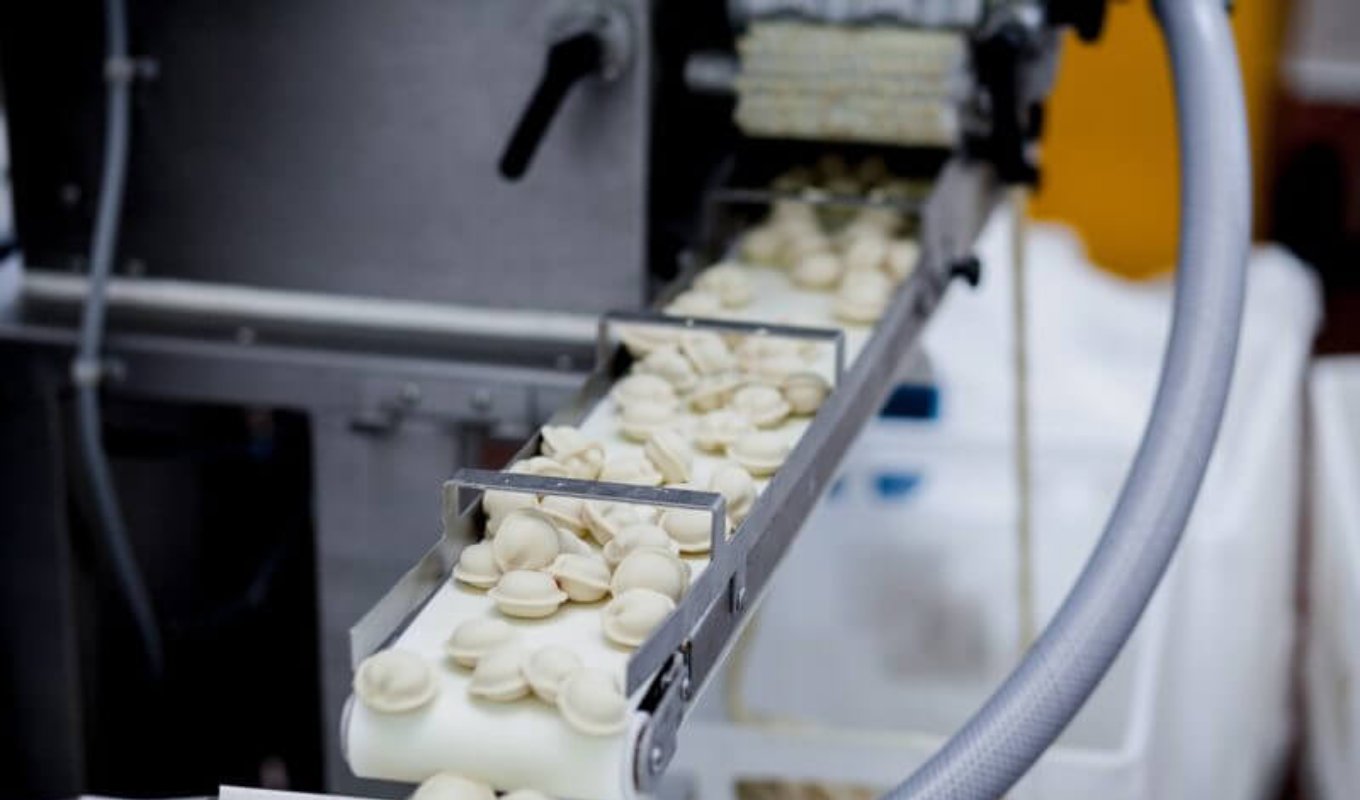
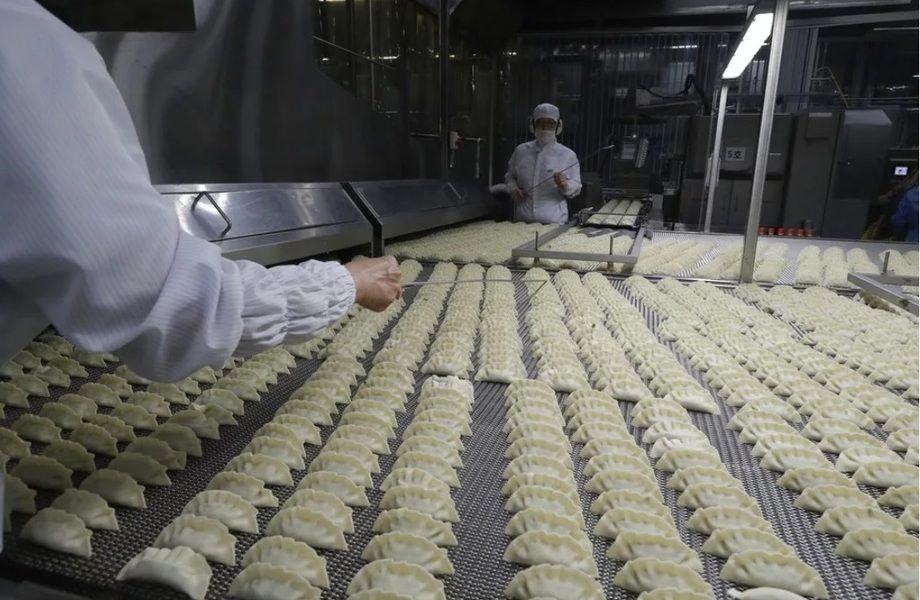
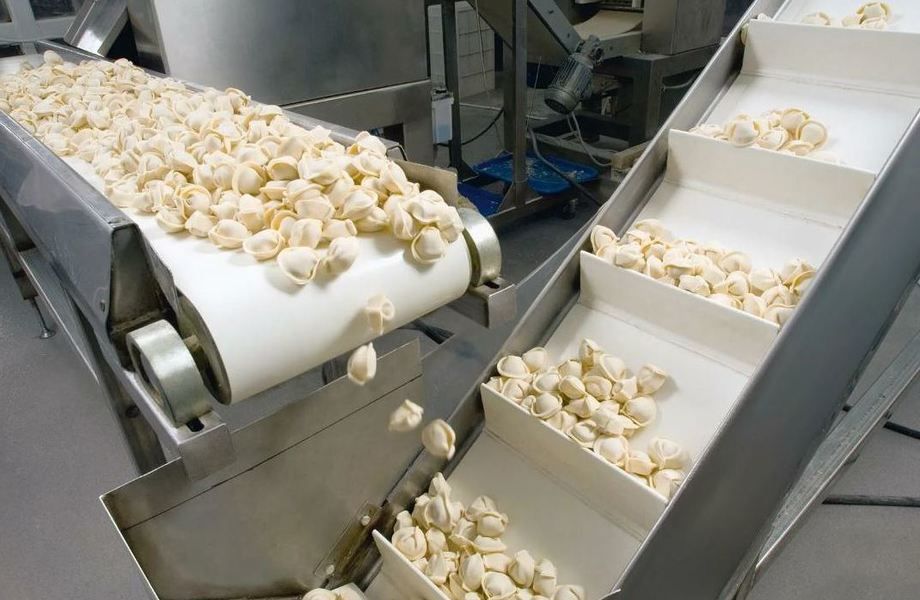
Dumpling Forming Machines – for the automatic shaping of dumplings (pelmeni) and vareniki.
Press Machines – for pressing dough and forming semi-finished products.
Complete Turnkey Lines – for the entire process from dough preparation to packaging.
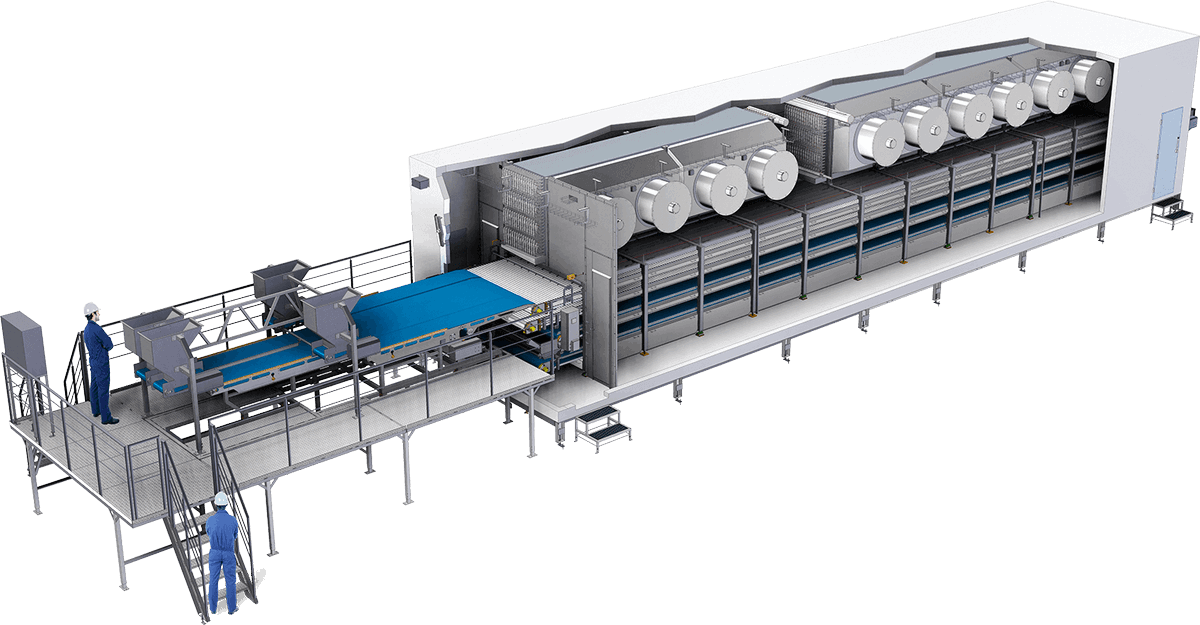
Freezing Equipment – tunnel freezers for freezing semi-finished products.
Processing Process:
Dough preparation
Forming semi-finished products
Freezing
Packaging
6. Equipment for Packaging Semi-Finished Products
Equipment:
Packaging Machines – for packaging semi-finished products into plastic containers, vacuum bags, or cardboard boxes.
Shrink-Wrapping Machines – for packaging in shrink film.
Automatic Portioning Systems – for precise dosing and packaging of products.
Vacuum Packaging Lines – for removing air and extending shelf life.
Packaging Process:
Dosing
Packaging into vacuum or shrink-wrapped packages
Packaging into containers
7. Equipment for Semi-Finished Product Quality Control
Equipment:
Laboratory Equipment – for analyzing raw materials and finished semi-finished products (moisture, fat content, microorganisms).
Scales and Dosing Equipment – for precise weight control during packaging.
Temperature and Humidity Control – for maintaining required conditions at all stages of production and storage.
Quality Control Process:
Raw material sampling
In-process control
Final inspection before packaging
Approximate Stages of Semi-Finished Product Production:
Raw Material Preparation: washing, cutting, grinding.
Thermal Treatment Process: boiling, frying, baking.
Freezing or Cooling: to increase shelf life.
Forming and Packaging: automated systems for creating the final product and its packaging.
Storage and Transportation: products are stored under appropriate conditions (refrigerators, freezers) to maintain freshness.
Conclusion: Production lines for semi-finished products include equipment for raw material processing, thermal treatment, freezing, packaging, and quality control. These lines contribute to accelerating production processes and ensuring high-quality products in demand in the food market.
Production Lines and Equipment for Food Processing
Food processing production lines are designed to transform fresh produce into finished products: flour, oils, juices, canned goods, and other food types. Depending on the type of raw material, different technologies and equipment are used.
1. Cereals (Wheat, Rye, Barley, Rice, Buckwheat, Corn, Quinoa, Amaranth)
Equipment:
Cleaners and Separators – remove debris, stones, dust.
Dryers – bring the grain to the required moisture level.
Hullers/Dehuskers – remove the hull (relevant for rice, buckwheat).
Roller Mills – grind grain into flour.
Extruders – produce flakes, porridge, granules.
Packaging Lines – package flour, groats, flakes.
Processing Process:
Cleaning
Drying
Hulling (if required)
Grinding
Sifting
Packaging
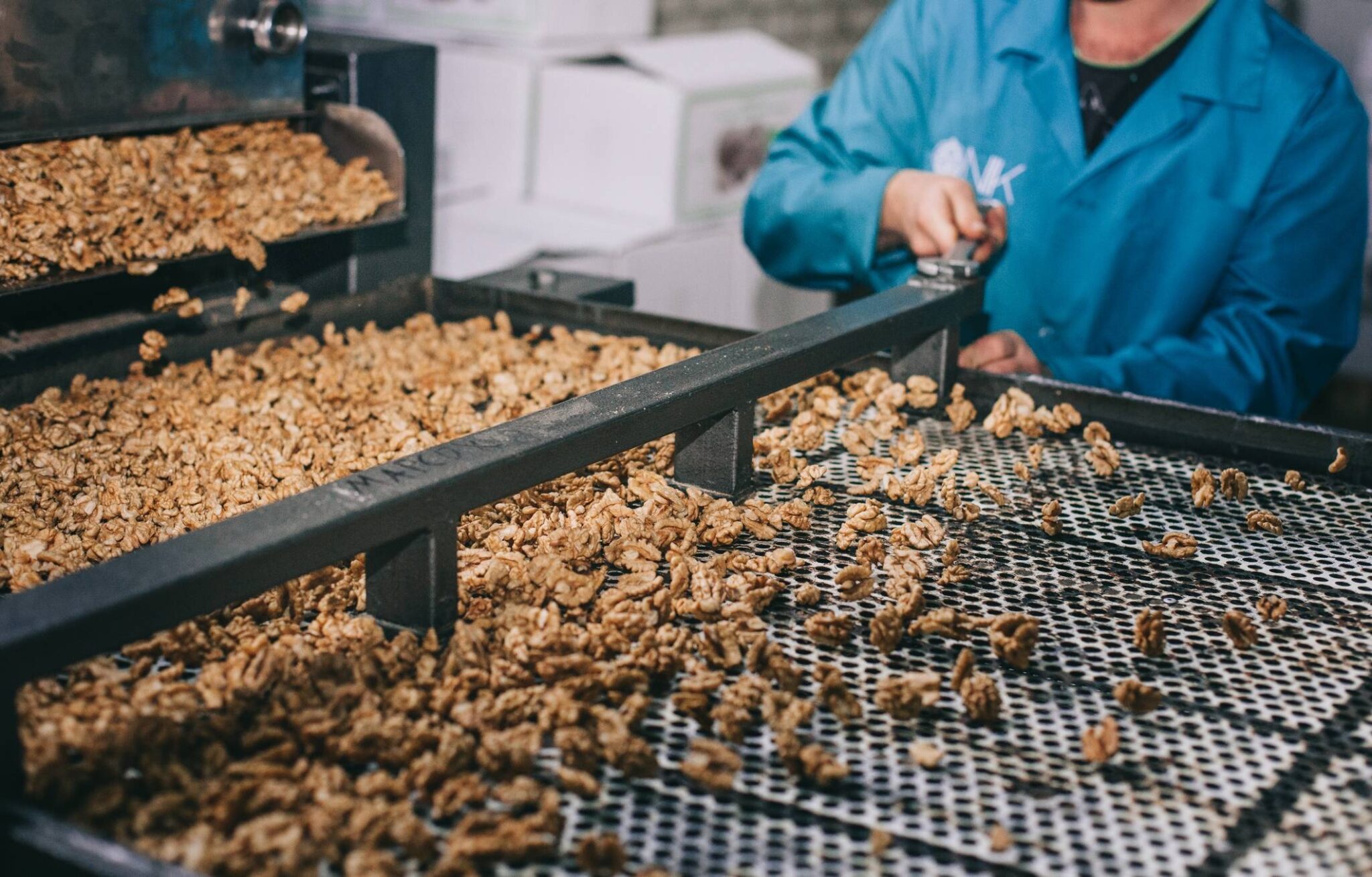
2. Nuts (Hazelnuts, Almonds, Walnuts, Coconut, etc.)
Equipment:
Shellers – remove shells.
Crushers/Grinders – break kernels into pieces or grind into meal/flour.
Roasting Machines – impart flavor and aroma.
Oil Presses – extract oil from nuts.
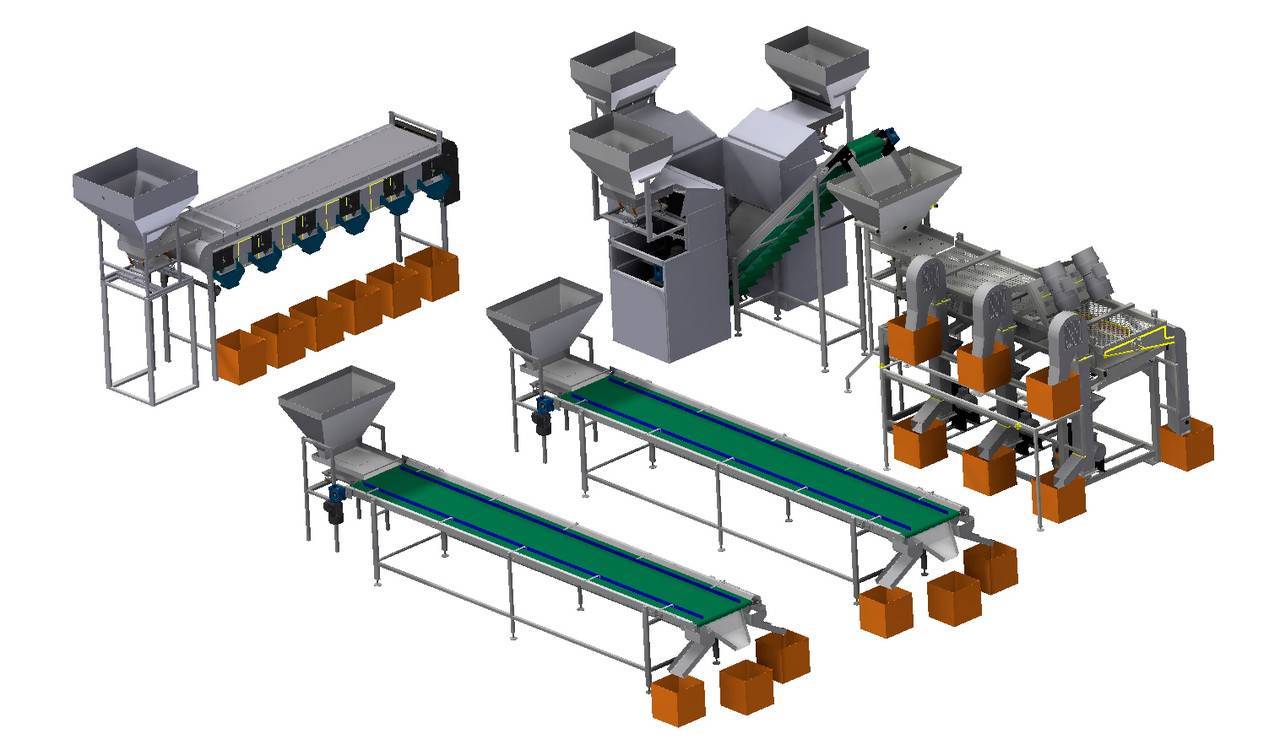
Packaging Lines – package whole or chopped nuts.
Processing Process:
Shell Removal
Roasting (if required)
Grinding/Chopping
Packaging
(Optional) Oil Pressing
3. Legumes (Peas, Beans, Soybeans, Chickpeas, etc.)
Equipment:
Cleaning Machines – remove impurities and hulls.
Polishing Machines – polish the beans.
Crushers/Grinders – grind into flour.
Extruders – produce soy products (e.g., textured soy protein).
Autoclaves – sterilize canned legumes.
Processing Process:
Cleaning
Drying
Polishing
Grinding / Canning
Packaging
4. Oilseeds (Sunflower, Flax, Sesame, etc.)
Equipment:
Cleaning Machines – remove debris, husks.
Crushers – break down the seed structure before pressing.
Presses (cold or hot pressing) – extract oil.
Filters – clean oil of impurities.
Refining Lines – for bleaching and deodorizing oil.
Filling Lines – fill oil into bottles.
Processing Process:
Cleaning
Crushing
Oil Pressing
Filtration
Refining (if required)
Filling and Packaging
5. Fruits and Citrus
Equipment:
Washing and Sorting Machines.
Juicers – extract juices.
Freeze-Dryers and Air Dryers – produce dried fruits.
Autoclaves – sterilize canned goods.
Packaging Lines – package juices, purees, dried fruits.
Processing Process:
Washing
Cutting / Peeling
Juice Extraction / Drying / Canning
Packaging
6. Berries
Equipment:
Sorting and Washing Machines.
Freezers – for shock freezing and storage.
Extractors – extract juices and purees.
Dryers – produce dried and freeze-dried berries.
Packaging Lines – package berries in containers or bags.
Processing Process:
Washing
Sorting
Freezing / Drying / Juice Production
Packaging
7. Vegetables (Root Vegetables, Greens, Leafy Vegetables, etc.)
Equipment:
Peelers – remove skin (potatoes, carrots).
Cutters/Slicers – cut vegetables into pieces.
Blanchers – thermal treatment before freezing.
Dryers – produce dried vegetables.
Autoclaves – for canned vegetables.
Processing Process:
Washing
Peeling / Cutting
Blanching / Canning / Freezing
Packaging
Production Lines and Equipment for Juice Production
Juice production lines cover all stages of manufacturing, from raw material preparation to packaging of the finished beverage. The equipment may vary depending on the type of juice (fruit, vegetable, berry) and the scale of production. Let’s examine the key stages and types of equipment.
1. Equipment for Raw Material Preparation
Fruit and Vegetable Washers: Clean raw materials of dirt, pesticides, and other harmful substances.
Cutters and Crushers: Chop or crush fruits and vegetables in preparation for pressing.
Pulping Machines (Mills): Used for grinding hard produce such as apples or carrots.
2. Juice Extraction Process
Juice Presses: Hydraulic, mechanical, and vacuum presses are used to extract juice from raw materials.
Centrifugal Extractors: The raw material is spun at high speed, facilitating the separation of juice from pulp.
Screw Presses: Mechanical devices for juice extraction, used for fruits and vegetables.
3. Filtration and Purification Process
Filters: Plate filters, membrane filters, and sand filters clarify juice by removing pulp and sediment.
Ultrafiltration: Systems for removing microorganisms and harmful substances, improving juice quality.
4. Pasteurization and Sterilization Process
Pasteurizers: Use heat treatment to destroy bacteria and microorganisms, extending the juice’s shelf life.
Sterilizers: Process juice at higher temperatures to completely eliminate microorganisms.
Thermostatic Units: Maintain the required temperature during pasteurization.
5. Concentration Process
Evaporators: Equipment for removing water from juice, leading to product concentration.
Vacuum Evaporators: Evaporate water from juice under vacuum, preserving more nutrients.
6. Cooling Process
Cooling Devices: Equipment for rapid cooling of juice after pasteurization, which helps preserve its freshness and taste.
7. Packaging Process
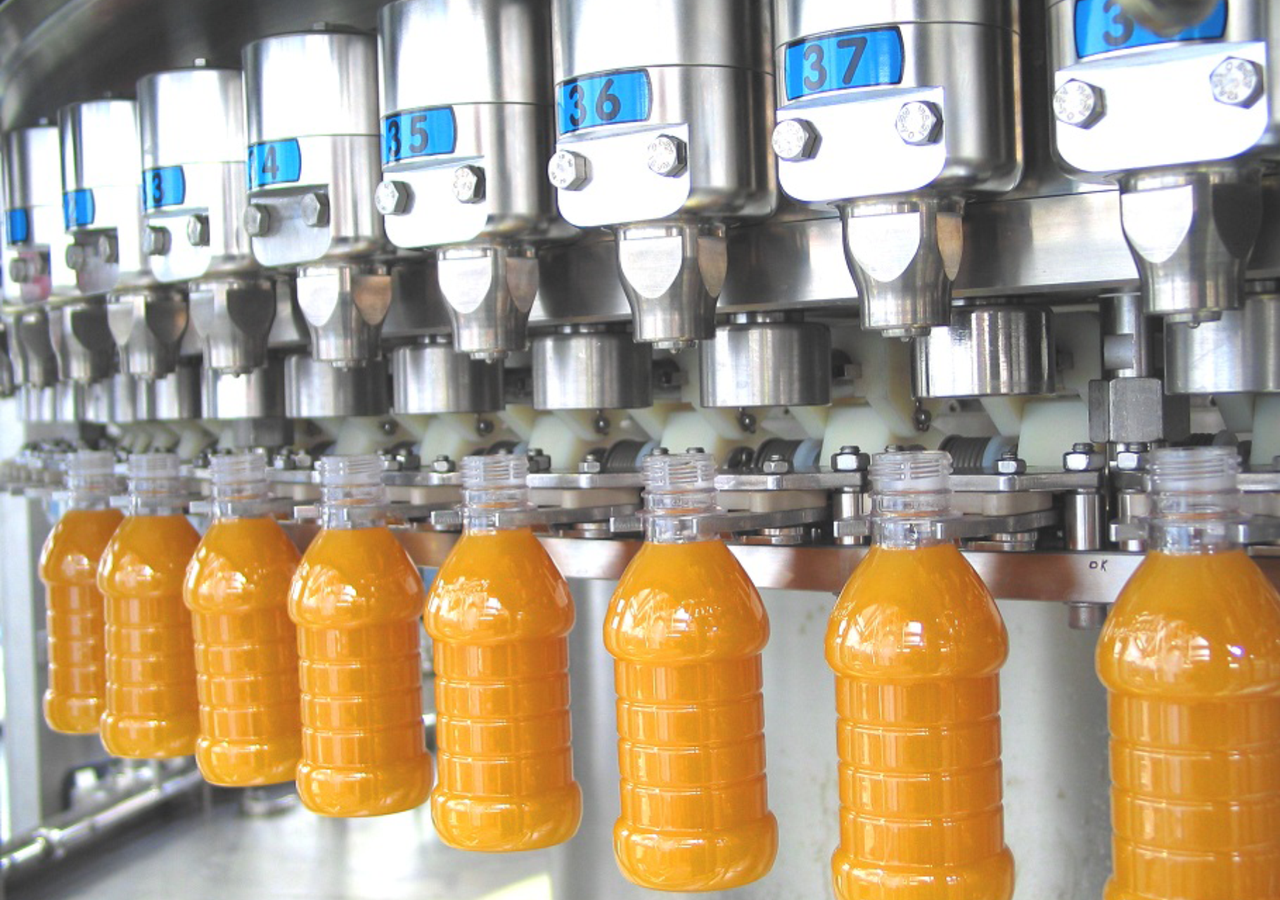
Juice Filling Installations: Automated lines for filling juice into bottles, carton packages (e.g., Tetra Pak), and cans.
Packaging Machines: Devices for sealing packages, boxes, bottles, and applying labels.
Packaging Robots: Used for placing finished containers into cardboard boxes and palletizing.
8. Auxiliary Equipment
Quality Control Systems: Check the purity, density, and other characteristics of the juice.
Laboratory Equipment: For analyzing vitamin content, sugar levels, and other juice parameters.
Automatic Bottling Lines: Automation of filling, packaging, and labeling processes.
Types of Production Lines:
Line for Freshly Squeezed Juice Production: Includes extraction, filtration, pasteurization, and packaging.
Line for Concentrated Juice Production: Removal of water from juice, followed by pasteurization and packaging of the concentrate.
Line for Juice Production with Added Sugar or Other Ingredients: Includes mixing with sugar, preservatives, and flavorings.
Line for Juice with Pulp Production: Includes the addition of pulp, for example, for orange or tomato juice.
Types of Juice Packaging:
PET Bottles: The most popular packaging for juices.
Carton Packages (Tetra Pak): Resistant to external influences and provide long product preservation.
Cans: Used for sterilized juice.
Conclusion:
Juice production lines include equipment for raw material preparation, extraction, filtration, pasteurization, concentration, packaging, and quality control. The choice of line depends on the type of juice and production scale, enabling the creation of high-quality products in demand on the market.
Production Lines and Equipment for Tomato Processing
Tomato processing lines cover the entire process—from handling fresh tomatoes to producing final products such as tomato paste, ketchup, sauce, canned tomatoes, and other products. Depending on the product type, the equipment may vary. Here is a detailed description of the stages and equipment.
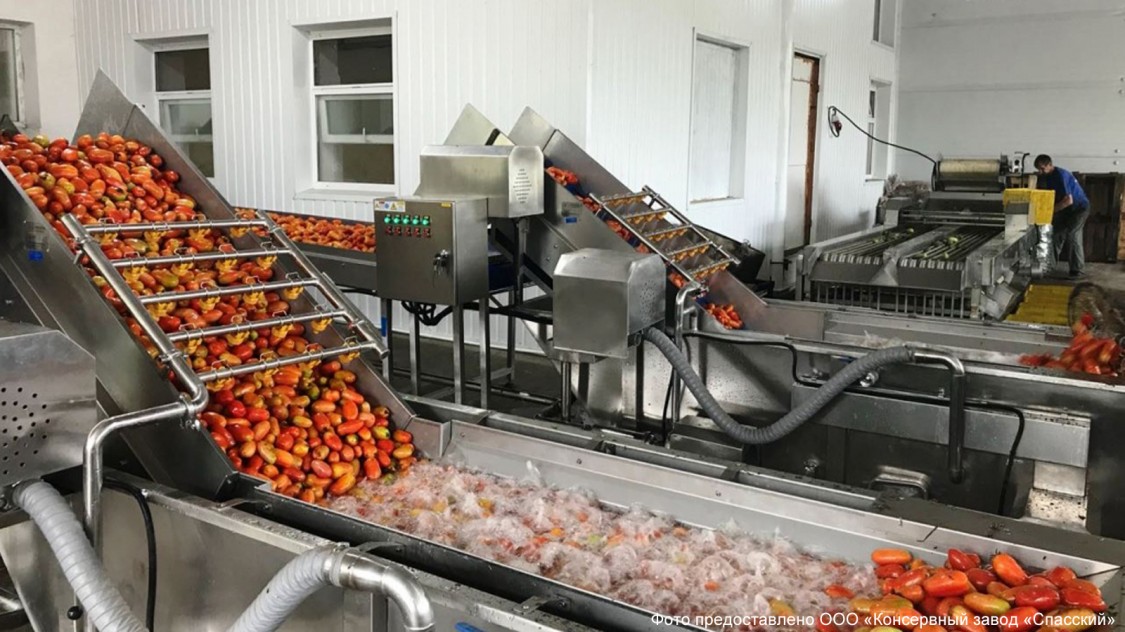
1. Equipment for Raw Material Handling and Preparation
Tomato Washers: Used to remove dirt, pesticides, and other contaminants from the surface of tomatoes. These can be water-based or vibratory washers.
De-stemming Equipment: Automatic machines for removing stems and other unwanted parts.
Crushers/Pulpers: Used to crush tomatoes into puree or pulp, with adjustable consistency settings.
Tomato Pumps: Transport raw tomatoes or tomato pulp between production stages.
2. Process of Pulping and Juice Preparation
Tomato Extractors/Pulpers: Equipment for separating juice and pulp from tomato skins and seeds; can be mechanical or vacuum-based.
Pulpers/Finishers: Machines that turn tomatoes into puree while removing solid particles.
Sieves and Filters: Devices for filtration, separating excess water, juice, and solids from the tomato mass, ensuring a clean and uniform texture.
3. Concentration and Cooking
Evaporators (Vacuum and Multi-effect): Used for concentrating tomato juice by removing excess water under low pressure to preserve flavor and aroma.
Cooking Units (Pasteurizers): Pasteurization kettles for cooking tomato mass or sauce at high temperatures to eliminate microorganisms.
Tomato Juice Concentrators: Devices for removing water from tomato juice to obtain thicker paste or concentrate.
4. Packaging and Canning Process
Automatic Packaging Machines: For packaging tomato paste, sauces, ketchups into jars, plastic bottles, bags, or cardboard boxes.
Carton Packers and Labelers: Equipment for packaging finished products into cardboard boxes for transportation.
Sealing Machines: For hermetically sealing packages, which keeps the product fresh and protects it from external factors.
Canning/Jar Filling Installations: Machines for filling jars with tomato paste, ketchup, or juice, followed by sealing to prevent air ingress.
5. Process of Sauce and Ketchup Preparation
Mixers and Cooking Kettles: For mixing ingredients (tomato paste, spices, sugar, vinegar) and cooking to achieve the final consistency.
Automatic Dosing Systems: For precise dispensing of spices, salt, sugar, and other sauce additives.
Homogenizers: Devices for the uniform distribution of ingredients, improving the texture and consistency of sauces.
6. Cooling Process
Cooling Tunnels: For rapid cooling of products after cooking or pasteurization, preventing further heating.
Plate or Juice Coolers: Cool tomato juice for safe storage and transportation.
7. Types of Production Lines
Lines for Tomato Paste Production: Include washing, crushing, pasteurization, and packaging; suitable for both small and large enterprises.
Lines for Tomato Sauce Production: Additionally include the addition of spices, sugar, vinegar, and other ingredients to create ketchups and sauces.
Lines for Canned Tomato Production: Products are placed into jars for storage after pasteurization or heat treatment.
Lines for Tomato Juice Production: Include pulping and juice packaging, typically without added preservatives.
8. Automation
Modern tomato processing lines are equipped with systems for the automatic control of all processes:
Temperature and pressure control systems.
Automatic regulation of feed and dosing.
Real-time product quality monitoring.
Types of Tomato Product Packaging:
Glass Jars: For canned tomatoes, juice, ketchups.
Plastic Bottles: For liquid products such as tomato juice and sauces.
Bags: For larger volumes of product, such as tomato paste.
Tin Cans: For canned tomatoes and sauces.
Tomato processing production lines offer flexibility and diversity depending on market requirements and production capacities, enabling the creation of high-quality, competitive products.
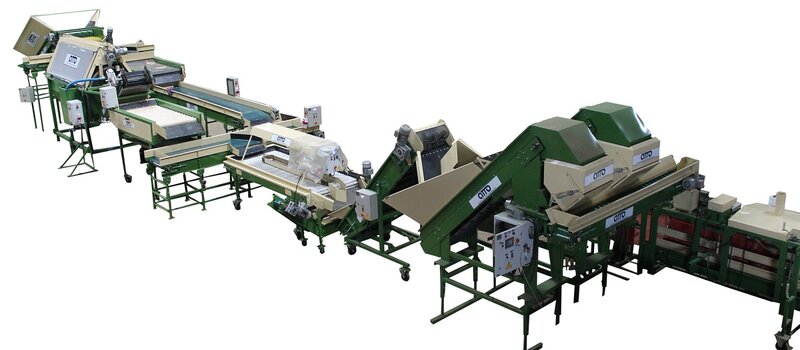
Equipment at poultry farms covers the entire production cycle, starting from incubation and feeding, and ending with slaughter, meat processing, and waste disposal. Here is a detailed description of various types of equipment used on poultry farms:
1. Incubation Equipment
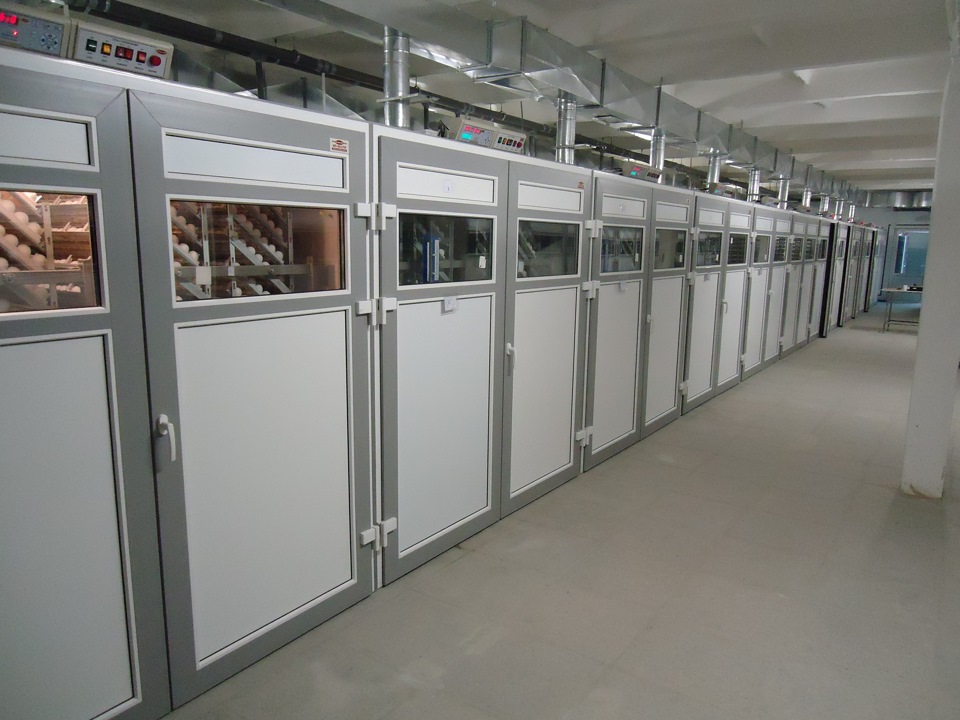
Incubators: Maintain optimal conditions for egg hatching, including stable temperature, humidity, and ventilation.
Egg Setters: Automatic devices for evenly placing eggs in incubators, providing conditions for their normal development.
Flow-through Incubators: Use an airflow system to maintain required parameters in the egg environment.
2. Feeding Equipment
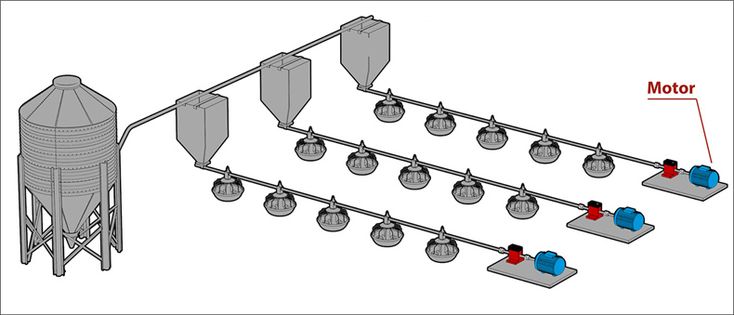
Automatic Feeding Systems: Include pipelines, feed dispensers, and dosing units that automate the supply and distribution of feed.
Feed Mixers: Devices for mixing various feed components, ensuring balanced nutrition for the birds.
Feed Conveyor Belts: Systems for moving feed throughout the farm or poultry house.
3. Drinking Equipment
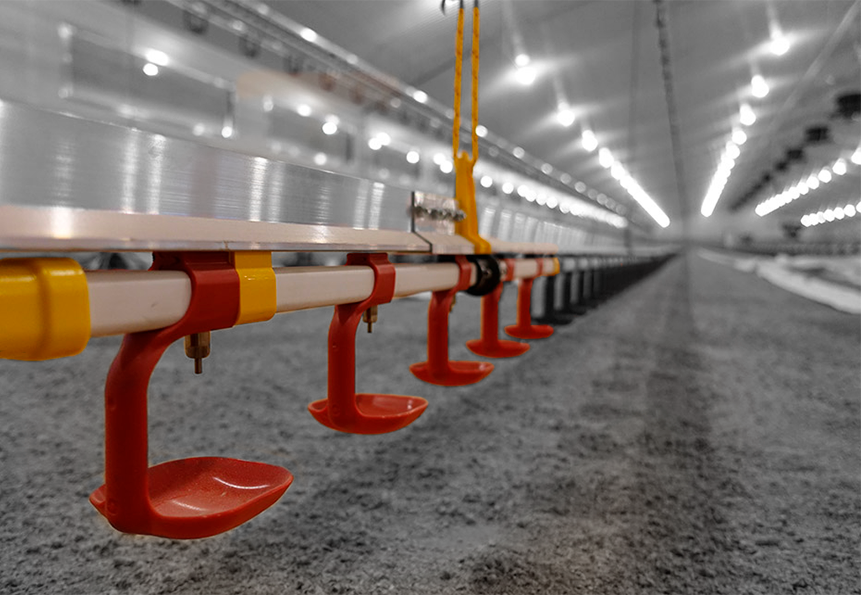
Automatic Drinking Systems: Include drinkers that supply water via drip or pressure systems, ensuring constant water access.
Drinking Lines: Pipeline systems connected to drinkers that maintain the necessary water level for the birds.
4. Cleaning and Disinfection Equipment
Automatic Litter Removal Systems: Help collect feces and leftover feed, maintaining cleanliness in poultry houses.
Cage Washers: Machines for regular cage cleaning using water, detergents, and steam technologies.
Disinfection Systems: Sterilization of premises, equipment, and birds using chemical or steam agents.
5. Rearing and Housing Equipment
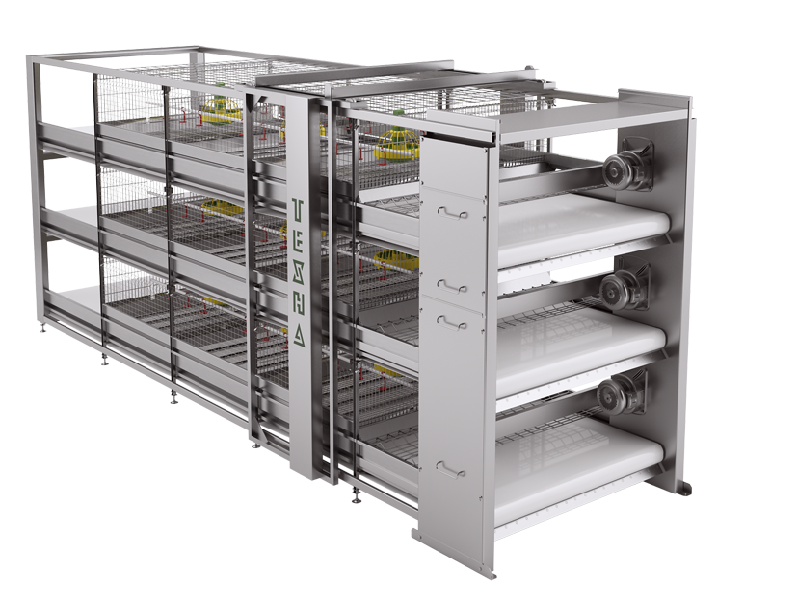
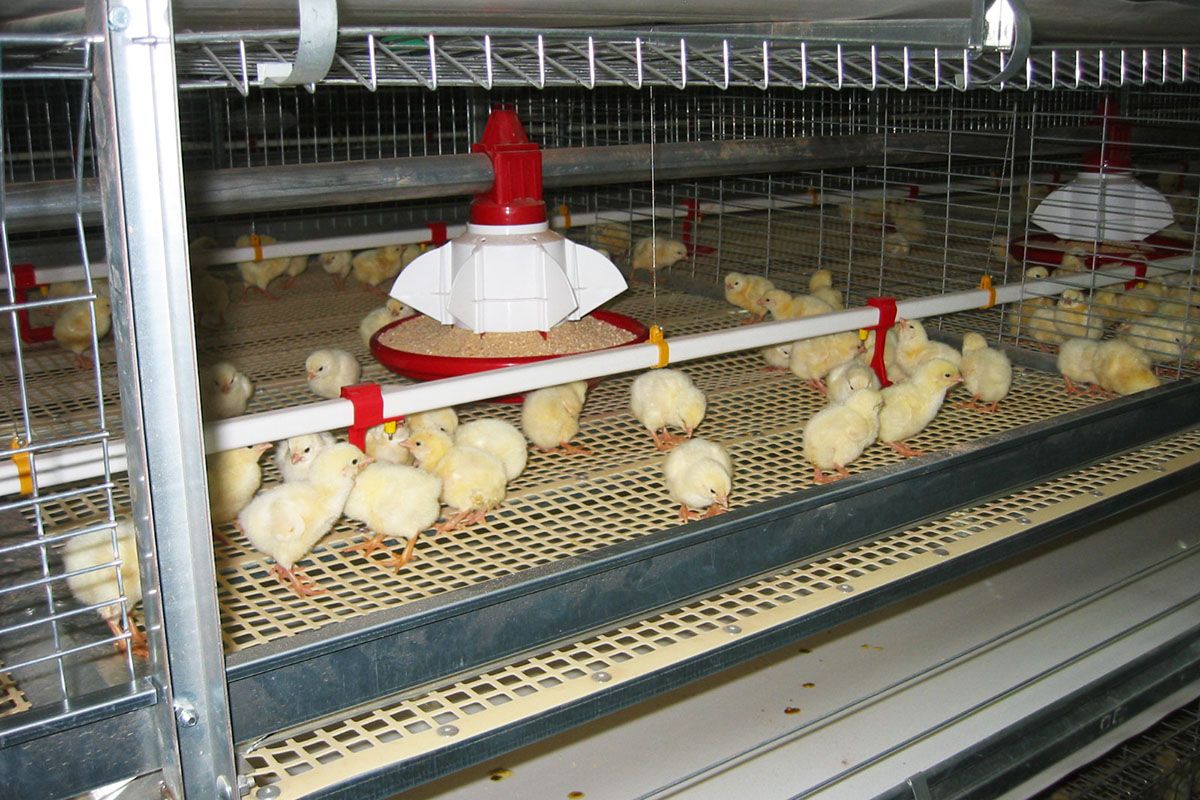
Cage Systems: Can be single-tier or multi-tier for efficient housing of birds in enclosed premises.
Free-range Systems: Equipment for outdoor areas, pens, and enclosures for birds that can roam outdoors.
Automatic Feeders and Drinkers: For the even distribution of feed and water among birds in cage or free-range systems.
6. Slaughter Equipment
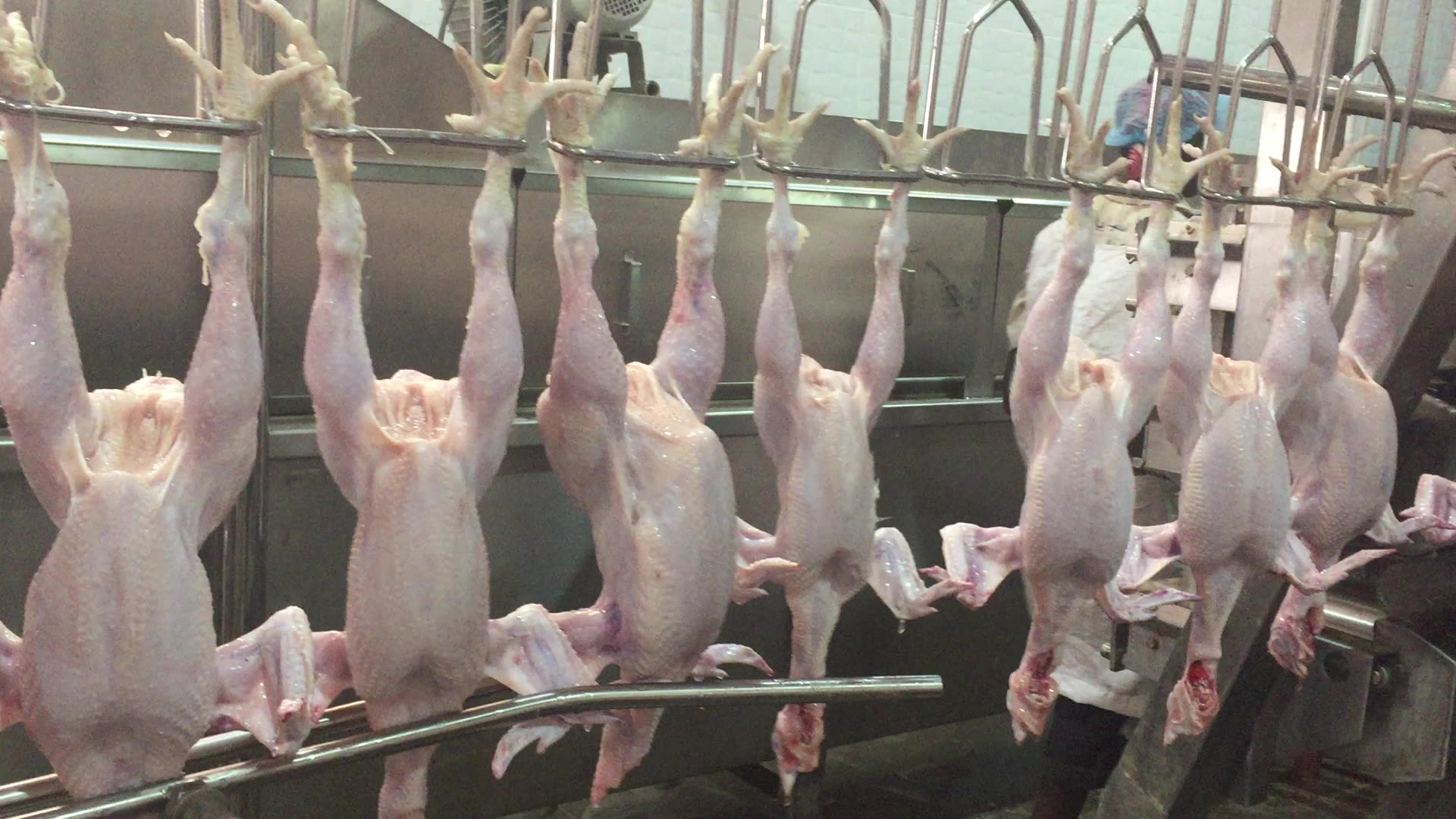
Slaughter Lines: Automated lines for scalding, hanging, stunning, slaughter, defeathering, and evisceration.
Defeathering Machines: Efficient devices for removing feathers from carcasses after slaughter.
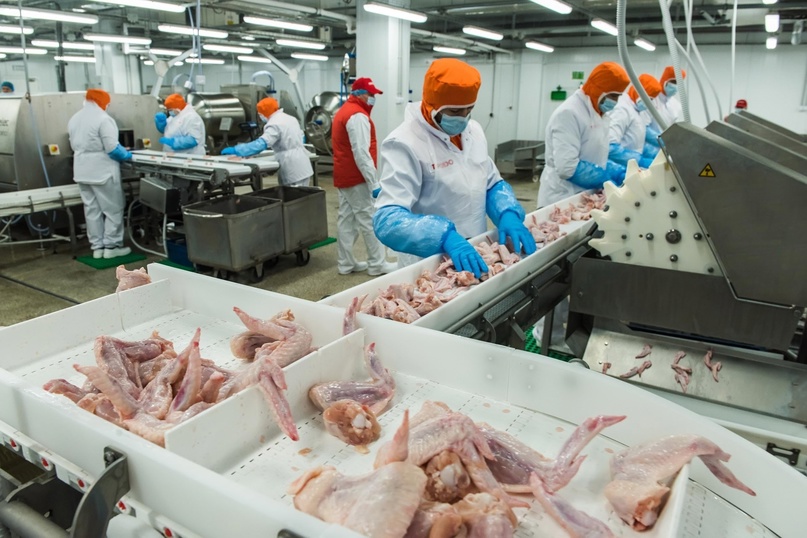
Carcass Processing Equipment: Lines for cutting birds into parts, including breasts, thighs, and wings, using knives and saws.
7. Meat Processing Equipment
Meat Grinders and Cutters: Devices for grinding meat, used in the production of mince, sausages, and other meat products.
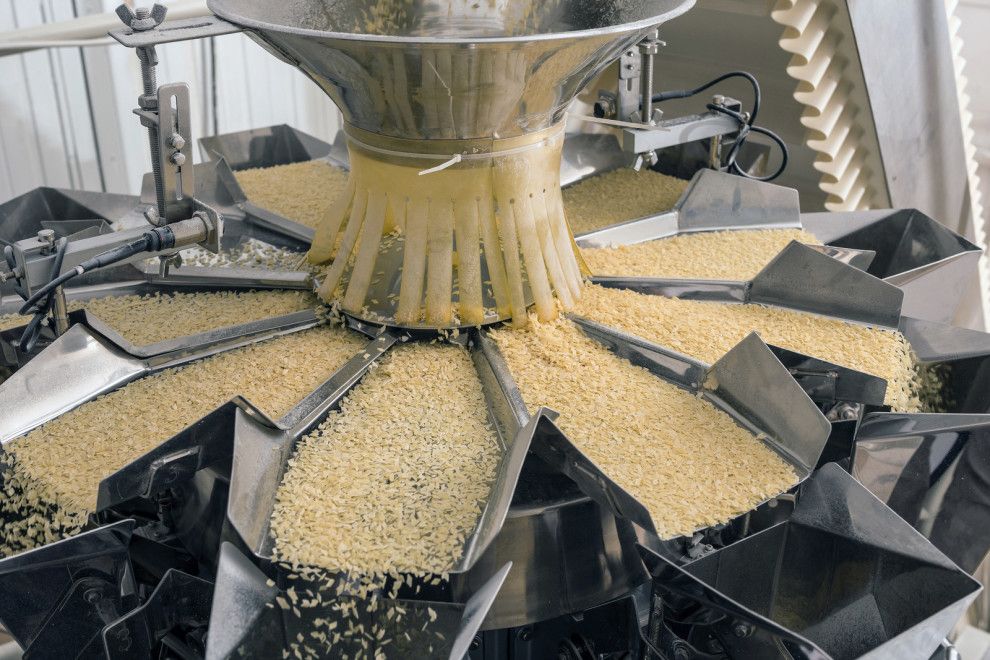
Extruders: Machines for processing meat under high pressure and temperature, used for producing meat snacks.
Packaging Lines: Automatic machines for packaging meat in vacuum bags or other sealed packaging.
8. Storage and Cooling Equipment
Refrigeration Units: For storing meat, eggs, and other products, preventing spoilage.
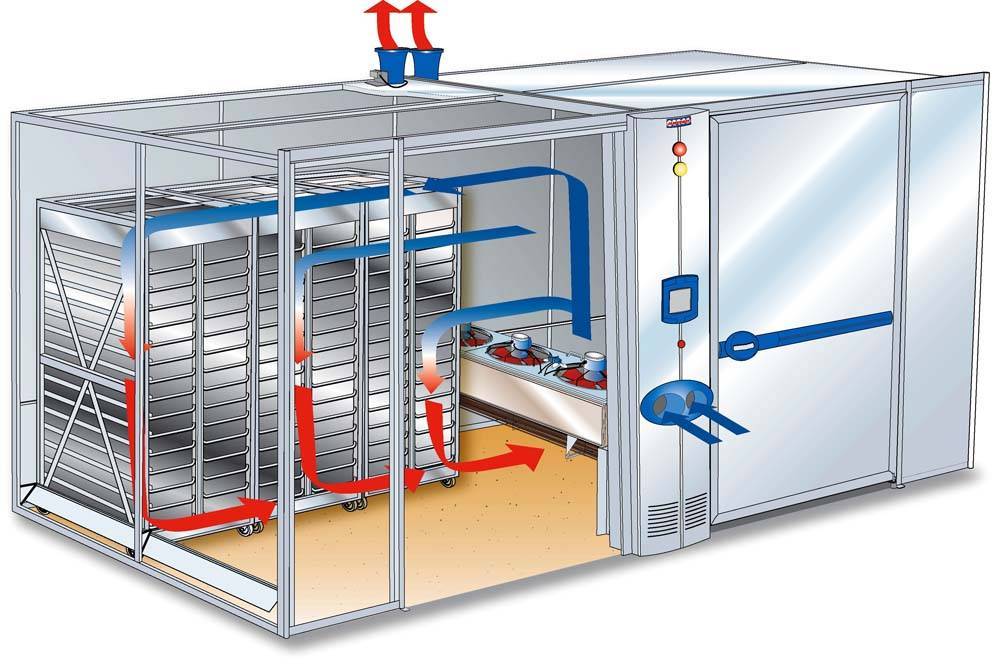
Cooling Chambers and Tunnels: Used for rapid cooling of poultry after slaughter and processing, which is crucial for ensuring meat quality and preventing bacterial growth.
Egg Storage Rooms: Systems maintaining optimal conditions for egg storage.
9. Waste Disposal Equipment
Waste Disposal Systems: Equipment for processing organic waste (feces, feathers) into fertilizer, biogas, or other products.
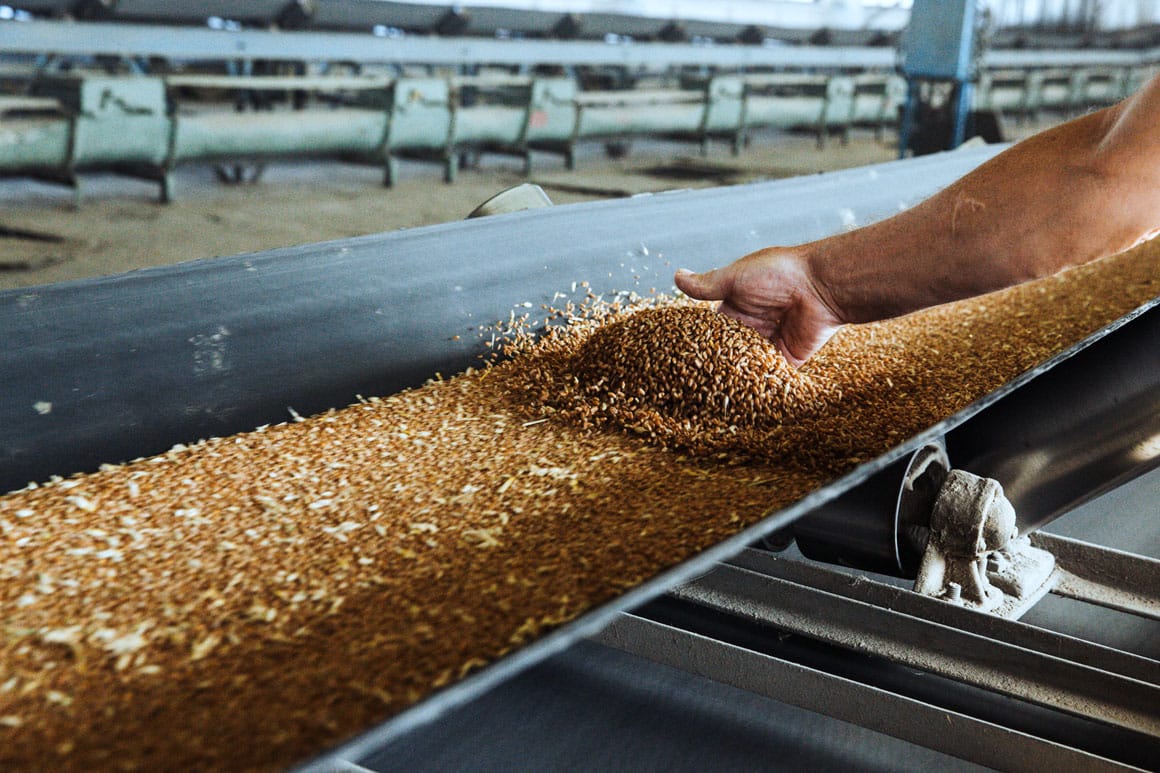
Waste Separators: Devices for separating waste into different fractions for further processing.
10. Automation Systems
Management and Monitoring Systems: Computer systems for controlling all farm parameters—from temperature and humidity to feed and water supply.
Remote Control Interfaces: Allow operators to monitor processes via smartphones or computers, increasing efficiency and reducing costs.
Key Stages of Equipment Operation on a Poultry Farm:
Incubation – Incubators for hatching chicks.
Feeding and Watering – Automatic feeders and drinkers to ensure bird health.
Slaughter and Processing – Lines for slaughter, defeathering, and meat cutting.
Storage and Packaging – Refrigeration chambers and packaging machines for product storage.
Waste Disposal – Equipment for processing waste to reduce environmental impact.
Automation and modern technologies significantly increase the efficiency of poultry farm operations, reduce costs, and ensure high product quality.
Production Lines for Frozen Products
Production lines for frozen products include several key stages: raw material preparation, thermal processing, freezing, packaging, and storage. These stages require specialized equipment that ensures the preservation of taste, texture, and nutrients. Let’s examine the details of each stage and the equipment used.
1. Raw Material Preparation:
Before freezing, the product must be thoroughly prepared:
Washing and Cleaning:
Vegetable and Fruit Washers: Automatic systems for cleaning off dirt and pesticides.
Meat and Fish Washers: Equipment for removing contaminants.
Cutting and Slicing:
Vegetable Cutters: Equipment for portioned slicing, e.g., potatoes or carrots.
Meat and Fish Cutters: Machines for cutting meat or fish into fillets and portions.
2. Blanching and Thermal Processing:
Blanching helps to deactivate enzymes that can affect the taste and texture of the frozen product:
Blanchers: Apply hot water or steam for thermal processing.
Blanching Tunnels: For uniform processing of large product volumes.
Grills or Roasting Machines: Preliminary thermal processing of meat or fish before freezing.
3. Freezing:
The main process for preserving product quality is quick freezing:
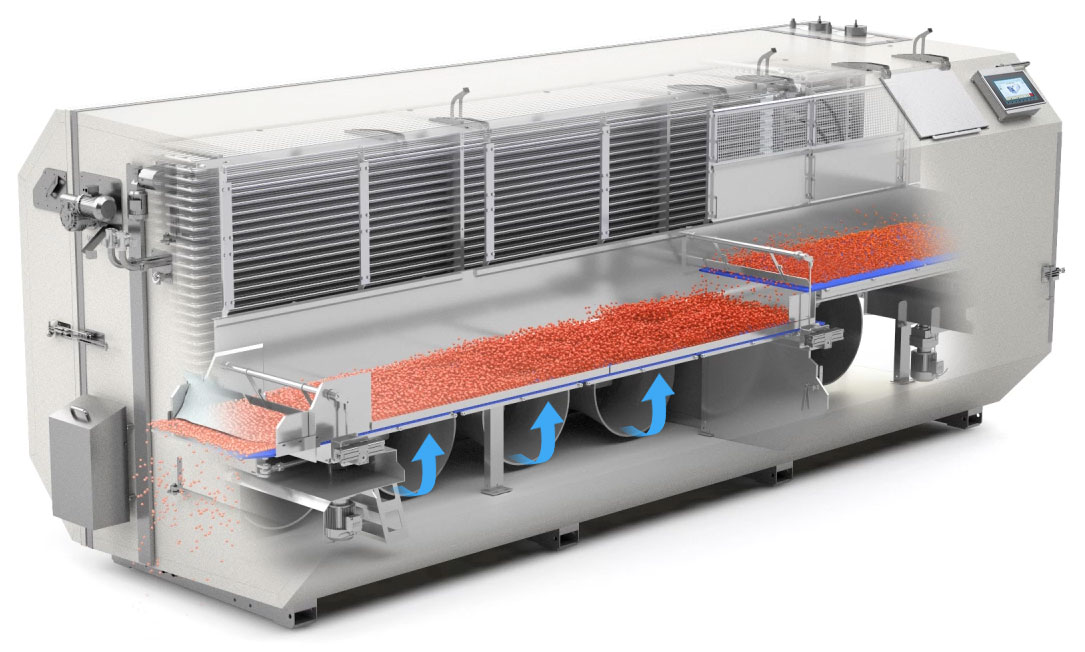
Blast Freezers: Provide rapid freezing of products at temperatures from -30°C to -40°C to minimize the formation of large ice crystals.
Tunnel Freezers: Specialized equipment for freezing products that pass through on a conveyor.
Flash Freezers: For small portions, such as fish or vegetables.
Freezing Methods:
Air Blast Freezing: Products are frozen using cold air.
Contact Freezing: Uses chilled surfaces or liquid nitrogen.
Cryogenic Freezing: Specialized equipment for freezing meat or fish using liquid nitrogen or carbon dioxide.
4. Packaging:
After freezing, products are packaged into various types of packaging:
Automatic Packaging Machines: For packaging in vacuum, modified atmosphere, or regular bags.
Vacuum Packaging Machines: Packaging with air removal, preventing product freezer burn.
Modified Atmosphere Packaging (MAP) Machines: Use a gas mixture to extend shelf life.
Plastic Container Packaging Machines: For frozen vegetables or fruits.
5. Storage and Transportation:
After packaging, frozen products are stored under controlled temperature conditions:
Freezer Rooms: For storing products at temperatures from -18°C to -25°C.
Cold Storage Warehouses: Specialized warehouses for storing frozen products.
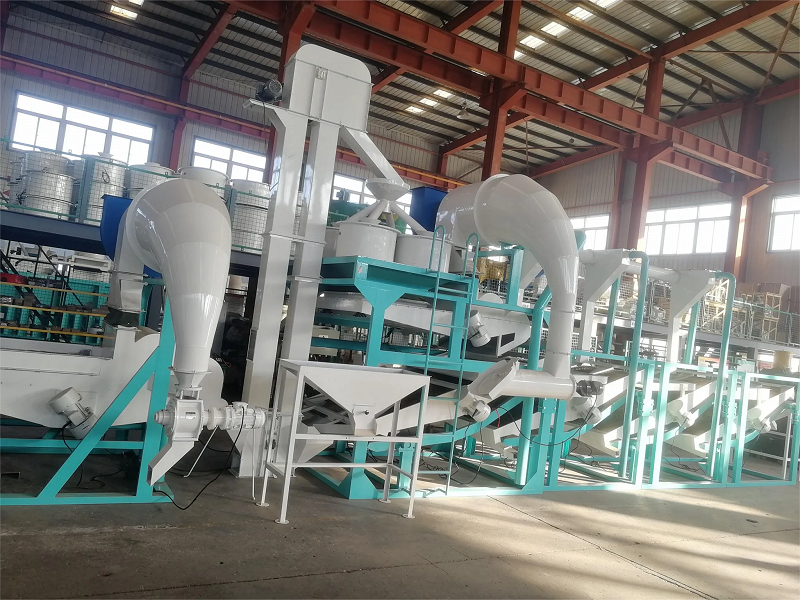
Transportation: Frozen products are often transported in refrigerated trucks or freezer containers.
6. Quality Control and Inspection:
Various control systems are used to ensure high product quality:
Temperature Testers: For monitoring temperature regimes at all stages, especially during freezing.
Visual Inspection Systems: To ensure products are free from defects or foreign objects.
Moisture Content Analyzers: To check the optimal moisture level in frozen products.
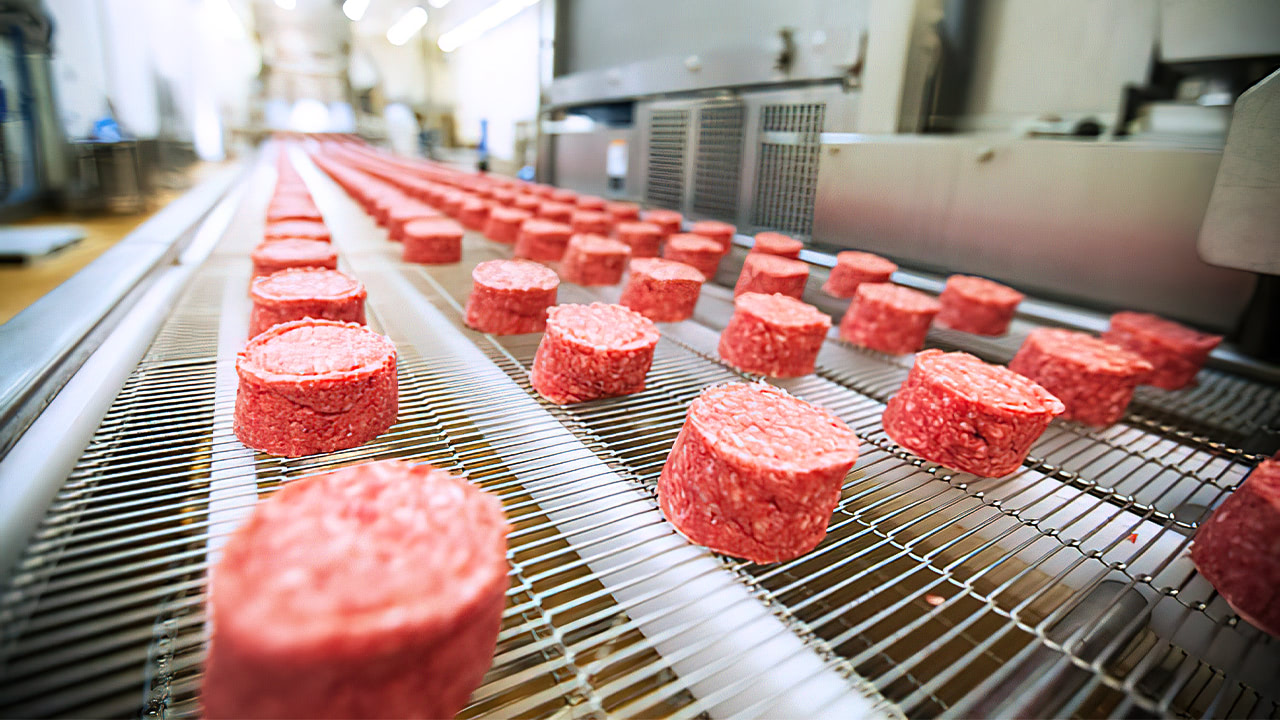
Examples of Production Lines:
Line for Frozen Vegetables: Includes washing, cutting, blanching, blast freezing, and packaging.
Line for Frozen Fish: Includes fish processing, blast freezing, and packaging.
Line for Frozen Semi-Finished Products: The process includes preparation, freezing, and packaging of semi-finished products like dumplings or patties.
Conclusion:
Production lines for frozen products include crucial stages: raw material preparation, thermal processing, freezing, packaging, and storage. Modern automated lines significantly increase production efficiency and reduce costs. These technologies help preserve the nutrients and taste qualities of products, making frozen foods convenient and in demand in the food industry.
Production Lines and Equipment for Food Packaging
Production lines and food packaging equipment play a crucial role in ensuring product preservation, extending shelf life, and facilitating convenient transportation. Depending on the type of product and its characteristics (e.g., moisture, temperature, shelf life), appropriate packaging equipment is selected. Here are the main types of packaging and packaging machines used in the food industry:
1. Types of Food Packaging:
Hermetic Packaging: Creating a vacuum or modified atmosphere to extend shelf life.
Modified Atmosphere Packaging (MAP): Packaging using a gas mixture (e.g., nitrogen and carbon dioxide) to prevent spoilage.
Vacuum Packaging (VP): Removing air from the package to prevent oxidation and increase shelf life.
Flexible Packaging: Used for packaging chips, cookies, juices, milk, and other products.
Rigid Packaging: Includes plastic, glass, and metal containers for beverages, canned goods, and frozen products.
Shrink Packaging: Packaging products using heat-shrinkable films.
2. Types of Packaging Machines:
1. Vacuum Packaging Machines:
Single-Chamber Vacuum Sealers: For packaging products in bags with air removal.
Dual-Chamber Vacuum Sealers: Increase productivity by separating preparation and packaging processes.
2. Modified Atmosphere Packaging (MAP) Machines:
These machines replace the air in the package with a gas mixture to extend shelf life, especially for meat, fish, and cheese.
3. Shrink Film Packaging Machines (Shrink Wrappers):
Used for packaging products in shrink film, which tightly conforms to the product after heating.
4. Automatic Packaging Machines for Liquid Products:
Liquid Pouch Fillers: For packaging milk, juice, and other liquid products.
Bottle/Jar Fillers: For packaging beverages and other liquids into rigid containers.
5. Packaging Machines for Solid Products:
Carton Forming and Packing Machines: For packaging into cardboard boxes (e.g., bread, cookies).
Plastic Container Fillers/Sealers: For packaging ice cream, confectionery, frozen products.
6. Bagging Machines (Sachet/Pouch Machines):
Rotary Bagging Machines: For bulk products such as sugar, salt, and coffee.
7. Canning/Jar Packaging Machines:
Jar Fillers: For packaging jam, sauces, and vegetables into jars.
Jar Capping/Sealing Machines: For hermetically sealing products in jars with lids.
3. Additional Packaging Technologies:
Leak Detection Machines: For testing packages for leaks.
Labeling and Marking Machines: For printing information, such as expiration dates, on the packaging.
Inspection and Quality Control Systems: Checking package integrity and product quality, e.g., metal detectors for detecting foreign objects.
4. Types of Packaging Materials:
Plastic Packaging: For beverages, snacks, dairy products.
Paper Packaging: For bulk products such as flour, sugar, tea.
Metal Packaging: For canned goods and beverages.
Glass Jars/Bottles: For liquids or preserves.
Aluminum Foil: For packaging products requiring protection from light and oxygen.
Conclusion:
Production lines and packaging equipment play a vital role in extending the shelf life of products, improving their transportation, and ensuring safety. The correct choice of packaging equipment not only contributes to product preservation but also enhances its market appeal, which is important for both consumers and manufacturers.
Production Lines and Equipment for Bakery Products
Production lines for bakery products are designed for manufacturing various types of bread, rolls, pies, crackers, and other baked goods. Depending on the product type and production scale, different technologies and equipment are used.
1. Raw Material Preparation
Equipment:
Mills – grind grain into flour.
Sifters – remove impurities from flour, improve dough texture.
Mixers – blend flour with water, yeast, salt, sugar, oils, and other additives.
Dough Kneaders – ensure uniform mixing of ingredients.
Process:
Flour sifting → 2. Ingredient mixing → 3. Dough kneading.
2. Proofing and Fermentation
Equipment:
Proofing Chambers – create optimal temperature and humidity conditions for dough rising.
Fermentors – ensure dough maturation, improving its structure and flavor.
Process:
First proofing → 2. Dough fermentation → 3. Final proofing before baking.
3. Dough Forming/Shaping
Equipment:
Forming Machines – shape the dough as required.
Sheeters/Calenders – roll out dough to the required thickness (for laminated dough products and crackers).
Dough Dividers – divide the dough mass into portions of a specified weight.
Dough Rounders – shape dough pieces.
Process:
Dough dividing → 2. Forming/shaping → 3. Preparation for baking.
4. Baking
Equipment:
Rotary Ovens – for baking bread and rolls.
Tunnel Ovens – for mass production.
Convection Ovens – ensure even heating.
Griddles – for specific types of baked goods.
Process:
Baking at a set temperature → 2. Doneness control.
5. Cooling and Packaging
Equipment:
Cooling Tunnels – prevent product deformation.
Packaging Machines – package products in film, boxes, bags.
Process:
Cooling → 2. Portioning → 3. Packaging.
6. Auxiliary Equipment
Equipment:
Dough Kneaders with Automatic Ingredient Feeders – simplify the dough preparation process.
Glazing Machines – for applying coatings to baked goods.
Automatic Lines – for baguettes, croissants, pies.
Humidity Control Systems – maintain optimal conditions.
Main Types of Production Lines:
Bread Production Lines – full cycle from kneading to packaging.
Roll and Pie Production Lines – include additional equipment for product forming.
Cracker and Rusks Production Lines – with a focus on the drying process.
Confectionery Production Lines – with capabilities for glazing and freezing.
Production lines can be fully automatic or semi-automatic depending on the enterprise’s needs.
Our services
SUPPLIER SEARCH AND VERIFICATION IN CHINA
Equipment search through partner databases, by countries worldwide, and among industry leaders.
BEST PRICES FOR EQUIPMENT FROM CHINA
Our local representatives will get you the best prices directly from manufacturers.
COUNTERPARTY VERIFICATION IN CHINA
Verification of the company’s registration date, licenses, litigation history, and actual address.
DELIVERY TERMS FROM CHINA
We will deliver your order on the most favorable logistics terms for you (air, rail, or truck).
CONTRACTING
Preparation of export-import contracts: Customs clearance procedures in China and customs clearance in Uzbekistan.
QUALITY CONTROL
Our local representatives control the entire production process of equipment and goods.
LOGISTICS
Supervision of the loading process, providing photo and video reports.
INSTALLATION
Commissioning works and staff training in Uzbekistan.
Our additional services
The main goal of the company Grande is to organize mutually beneficial cooperation between entrepreneurs and companies from around the world and China.
Fast and reliable delivery of goods from China to any destination.
Find a partner for cooperation with China right now.
Reliable purchase of equipment from China with guaranteed quality and reliability.
High-quality verification of Chinese companies before cooperation and investment.
Reliable delivery of goods from China directly to your warehouse.
Wholesale purchase of goods from China on favorable terms.
Directions
The company “Grande” offers an unlimited selection of high-quality, high-tech equipment, machines, installations, and technical tools from leading Chinese manufacturers on a turnkey basis and provides recommendations to its clients on all matters related to purchasing equipment and goods.
We will assist you in selecting agricultural equipment and machinery for growing, harvesting, sorting, and processing fruit and vegetable crops, as well as other types of agricultural production.
Supply of high-quality equipment and belts for food production. Familiarize yourself with the list of main types of machines used in the food industry.
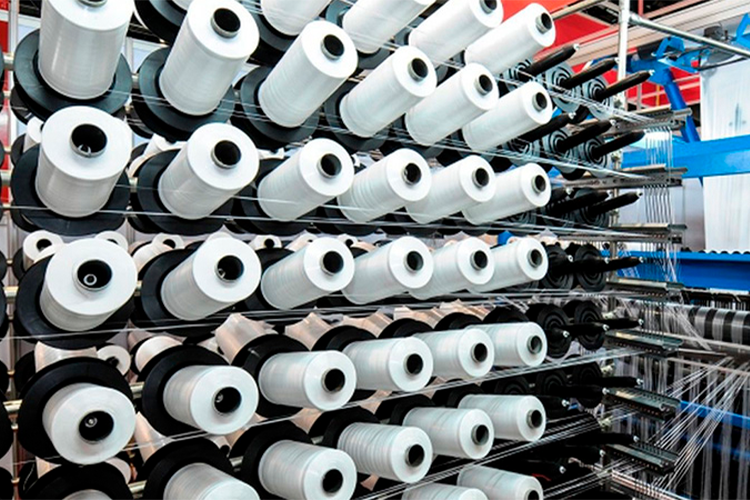
Comprehensive solutions for the light industry from China at affordable prices. Equipment for raw cotton processing, textile printers, weaving machines, textile dyeing equipment, and more.
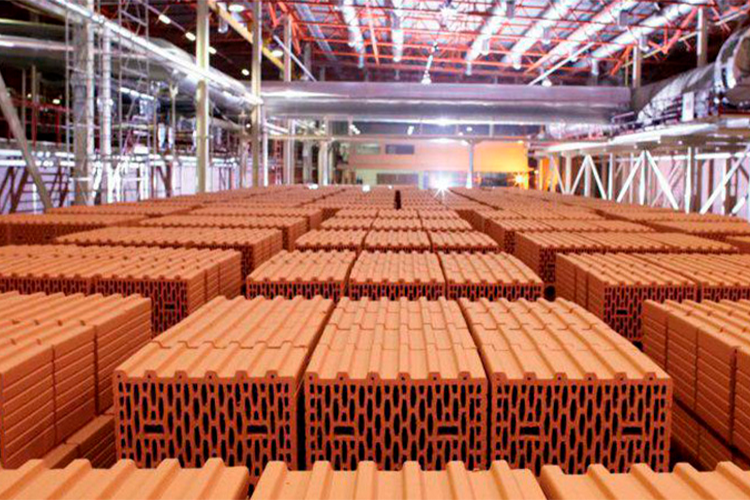
We offer a wide range of equipment for the production of construction materials. With us, you’ll find machinery for manufacturing paints and varnishes, equipment for producing ceramic materials and products, as well as other types of equipment at the best prices.
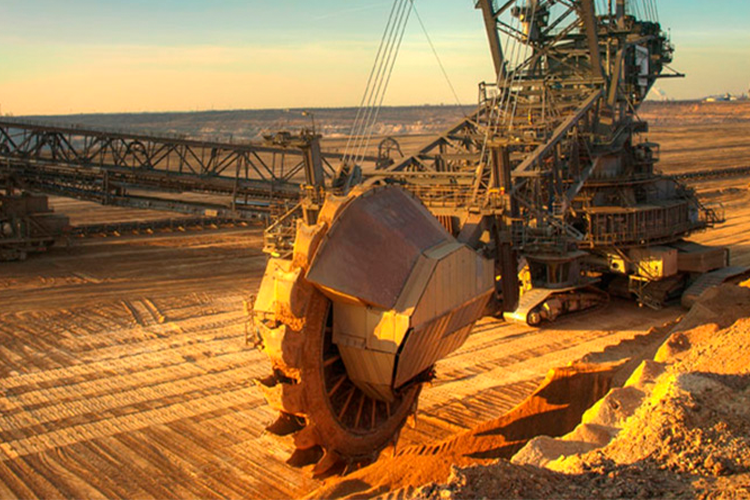
Specialized machinery for use in the mining industry, including rock crushing equipment, mineral exploration tools, equipment for extracting mining and chemical raw materials, and other machinery from Chinese manufacturers at the best prices.
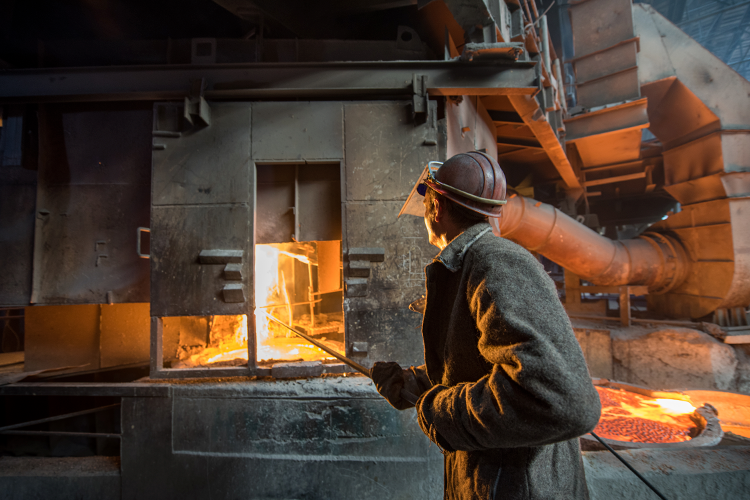
We offer innovative equipment for extracting metals from ores or other types of raw materials, as well as technology related to altering the chemical composition, structure, and properties of metal alloys, and the production of various metal products from them.
Turnkey logistics.
Delivery of goods, raw materials, and materials directly from China to your city.
Trust your business to professionals
Our company has extensive experience in direct cooperation with Chinese companies. Grande specialists help businesses daily to purchase high-quality products from trusted Chinese suppliers. Moreover, Grande will assist you with all documentation and ensure the delivery of your goods to your warehouse or facility.