Textile manufacturing
Equipment for textile production and light industry
Мы предлагаем новейшие модели популярного оборудования для текстильной промышленности с прямыми поставками от производителя. Наши выгодные цены и прозрачные условия сопровождаются быстрой доставкой.
Свяжитесь с нами и получите бесплатную консультацию.
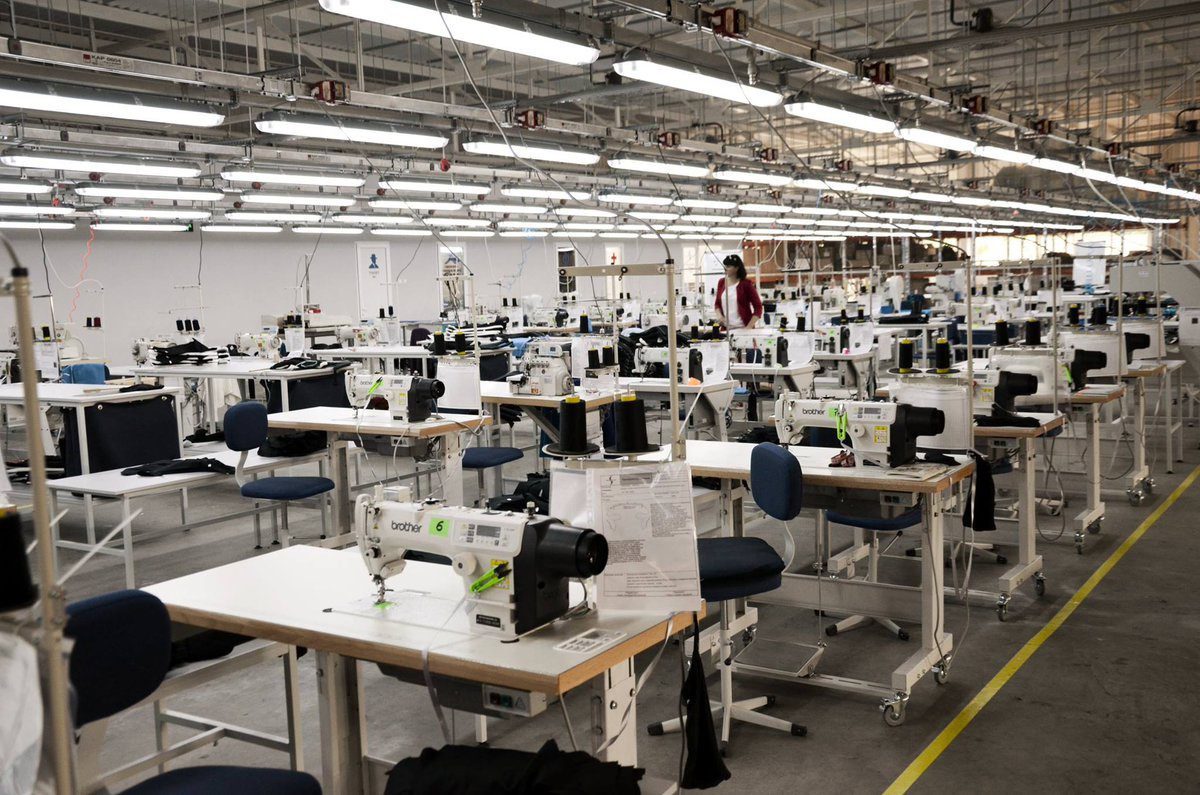
Garment production lines play a crucial role in the mass production of textile products, ensuring efficiency, speed, and high quality. These lines can be adapted based on the type of clothing, level of automation, and workflow organization.
Types of Production Lines
By Clothing Type:
Knitted Garment Lines: For producing t-shirts, sweatshirts, underwear.
Outerwear Lines: For sewing jackets, coats, fur coats.
Workwear/Specialized Clothing Lines: For uniforms, protective suits, and other specialized garments.
Denim Lines: For producing jeans, jackets, and other denim items.
Sportswear Lines: For sewing athletic uniforms, tracksuits, and activewear.
Lingerie and Swimwear Lines: For producing underwear, swimwear, and other items from elastic materials.
Accessory Production Lines: For producing gloves, headwear, scarves, and other textile accessories.
By Level of Automation:
Manual Lines: Production primarily on individual sewing machines, performed manually or with minimal automation.
Semi-Automated Lines: Partial automation of processes (e.g., fabric cutting or embroidery).
Fully Automated Lines: High-tech complexes including robotic systems and automated workstations for performing multiple operations.
By Work Organization Method:
Conveyor Lines: Automated feeding of fabric and pieces via a conveyor belt, which speeds up the process.
Group Lines (Unit Production Systems – UPS): Workers are divided into groups, each performing specific tasks in the production process.
Flexible Manufacturing Systems (FMS): Universal lines that can be reconfigured for different garment models and fabric types.
Garment Construction: Creating sketches and 3D models for design visualization and testing.
Pattern Development: Creating patterns (templates) for all garment parts for precise sewing.
Grading: Developing size variations from a standard base for different body types.
Fabric Cutting:
Use of cutting machines (manual, laser, automatic) for precise cutting of fabric according to patterns.
Nesting/Marker Making: Arranging pattern pieces on the fabric to minimize waste.
Cutting using patterns, employing technologies for precise cutting.
Sewing/Assembling:
Assembling parts on sewing machines: Joining various garment components, e.g., sleeves and the main body.
Seam Quality Control: Checking seams for strength and neatness.
Additional Processes: Embroidery, printing, fusing to enhance appearance or functionality.
Finishing and Final Processing:
Ironing and Heat Setting: To give garments the required shape and finish.
Seam and Decorative Element Finishing: To improve aesthetics.
Final Product Quality Control: Assessing the garment’s compliance with standards.
Packaging and Warehousing:
Final quality standard check.
Packaging into individual bags or boxes.
Labeling and sorting by size, color, and model.
Dispatch to warehouse or customer.
Additional Technologies in Garment Manufacturing
Automated Embroidery Machines: For applying logos and decorative patterns.
Laser Cutting: Ensures precise cutting of fabric pieces without damage, especially important for complex patterns and delicate materials.
3D Garment Modeling: Reduces time for developing new models, allows creation of virtual prototypes, and design testing before production begins.
Robotic Sewing Systems: Used for mass production, automating complex and repetitive sewing processes.
Conclusion Garment production lines enable efficient and rapid manufacturing of various clothing types, from knitted garments to outerwear and sportswear. The level of automation varies from manual to fully automated complexes, allowing adaptation to different needs and volumes. The use of modern technologies such as laser cutting and robotic systems significantly enhances product precision and quality.
Thread manufacturing production lines involve various stages and equipment designed to ensure the high-quality production of textile and sewing threads, yarns, and synthetic fibers. These lines can be adapted to process different types of raw materials and produce threads with required characteristics.
1. Raw Material Preparation Equipment
Spinning Machines: The core element in thread production, which processes fibers (cotton, wool, synthetic fibers) into yarn. Different types of spinning machines are used depending on the desired thread type:
Ring Spinning Machines for creating uniform yarn.
Rotor Spinning (Open-End) Machines for more complex textured threads.
Fiber Cleaning Machines: Remove dirt, dust, and other impurities from the fibers, ensuring raw material purity and improving final product quality.
Cards: Designed for combing fibers and aligning them, which is crucial for creating an even structure for future threads.
2. Spinning Process
Spinning Machines (Manual and Automatic): This is the primary process of transforming fibers into yarn. Spinning can be ring, rotor, or mechanical, depending on the required thread thickness and strength.
Yarn Tensioning Machines: Used to regulate yarn tension during the spinning process, allowing for the achievement of the required thread strength and thickness.
3. Twisting and Winding Process
Yarn Twisting Machines: These machines twist individual fibers or plied yarns into stronger, denser threads, increasing their strength—especially important for textile and sewing threads.
Thread Winding Machines: The spun yarn is wound onto spools or bobbins. Multi-spool winding machines allow processing several spools simultaneously, significantly increasing productivity.
4. Thread Processing
Texturizing Machines: Used to process synthetic threads (e.g., nylon or polyester) to enhance their properties, such as elasticity, softness, and texture.
Thread Dyeing Equipment: Threads are dyed using various methods (hank dyeing, package dyeing), which is important for creating threads of the desired colors and characteristics.
5. Packaging Process
Packaging Machines: Automatic or semi-automatic machines for packaging threads onto spools, cones, or other packaging forms, ready for transportation and sale.
Quality Control Devices: Used to check threads for defects such as breaks, thin spots, or incorrect winding to guarantee high product quality before packaging.
6. Auxiliary Equipment
Thread Conditioning Machines: Equipment for adjusting thread humidity and temperature, preventing damage during packaging and transportation.
Thread Cutting Machines: Used to cut long threads into shorter lengths if threads of a specific length are required.
Main Types of Production Lines
Lines for Textile Thread Production: Include a full range of equipment for processing fibers into threads for the textile industry.
Lines for Sewing Thread Production: These lines specialize in producing fine, strong threads that may undergo additional processing such as dyeing and texturizing.
Lines for Synthetic Thread Production: For synthetic materials like polyester and nylon, often requiring additional stages such as texturizing and dyeing.
Lines for Knitting and Weaving Yarn Production: These lines focus on creating yarn for hand and machine knitting, as well as for fabrics requiring specific texture and strength.
Conclusion Thread production lines can be fully automated or semi-automatic depending on production scale and enterprise requirements. These lines include equipment for all production stages—from raw material preparation to packaging of the finished product. The use of modern technologies, such as texturizing and automatic dyeing, enables the production of high-quality threads with the necessary characteristics for various sectors of the textile industry.
The fabric manufacturing process involves several key stages, each requiring specialized equipment to ensure high quality of the final product. These stages include raw material preparation, spinning, weaving, fabric finishing, and packaging of the finished goods.
1. Raw Material Preparation
Fiber Cleaning: Special cleaning machines are used to remove dirt and impurities from fibers (natural or synthetic). This may include carding, which aligns the fibers.
Cards: Machines for combing and aligning fibers, which improves texture and prepares them for spinning.
2. Spinning
Spinning Machines: Spinning is the process of transforming fibers into yarn, which is then used for weaving. Depending on the fabric type, different machines are used:
Rotor Spinning Machines for short-staple fibers.
Ring Spinning Machines for long-staple fibers.
Hollow Spindle Machines for fancy or effect yarns.
Yarn Tensioning Machines: These machines regulate yarn tension during spinning, ensuring the required strength and thickness.
3. Weaving Process
Weaving Looms: Once the yarn is ready, it is used on looms to interlace the warp and weft.
Rapier Looms – for standard and technical fabrics.
Air-Jet Looms – for high-speed production of plain fabrics.
Jacquard Looms – for creating complex patterns.
Automatic Looms – for mass production with high efficiency.
4. Fabric Finishing (Wet Processing)
Bleaching: This process is used to remove the natural color of the fiber and prepare the fabric for further treatment.
Dyeing: Various dyeing methods are employed, including:
Batch Dyeing – for solid colors.
Resist Dyeing – for creating patterns.
Continuous Dyeing Ranges – for uniform color application on large fabric batches.
Printing: Techniques like rotary screen printing or digital printing are used to apply designs to the fabric.
5. Additional Fabric Treatment
Texturizing: Synthetic fabrics undergo texturizing to improve their elasticity and alter their texture.
Fabric Strengthening: Chemical treatments help improve fabric abrasion resistance and durability.
Oiling/Sizing: Fabric may be treated with oils or sizing agents to increase strength and reduce damage during weaving.
6. Final Finishing
Calendering and Pressing: Fabric is subjected to calendering and pressing to give it its final shape, smoothness, and luster.
Coating: Application of special substances to the fabric to enhance properties like water repellency, flame retardancy, or antimicrobial protection.
7. Packaging of Finished Product
Cooling Tunnels: If the fabric underwent heat treatment, it may be cooled in cooling tunnels to prevent damage.
Packaging Machines: After processing, fabric is wound onto rolls or beams and packaged in plastic film or boxes for transportation.
Labeling: Information about fabric composition, manufacturer, and other characteristics is applied to the packaging or directly to the fabric roll.
8. Additional Processes
Quality Control: The process of inspecting fabric for defects such as tears, uneven dyeing, or weaving faults using specialized equipment (e.g., automated inspection systems).
Fabric Testing: Testing for strength, elasticity, abrasion resistance, and other important characteristics in laboratories.
Main Types of Production Lines:
Lines for Cotton Fabric Production: Equipment for processing cotton, its spinning, and weaving.
Lines for Synthetic Fabric Production: Include texturizing and chemical treatment of synthetic fibers such as polyester and nylon.
Lines for Jacquard Fabric Production: Equipment for creating complex fabric patterns using specialized Jacquard looms.
Lines for Technical/Specialty Fabric Production: Equipment for creating fabrics with special properties, such as flame resistance or water repellency.
Production lines can be fully automated or semi-automatic, depending on the product type and production volume. This allows for flexible adaptation to market demands and production capacities.
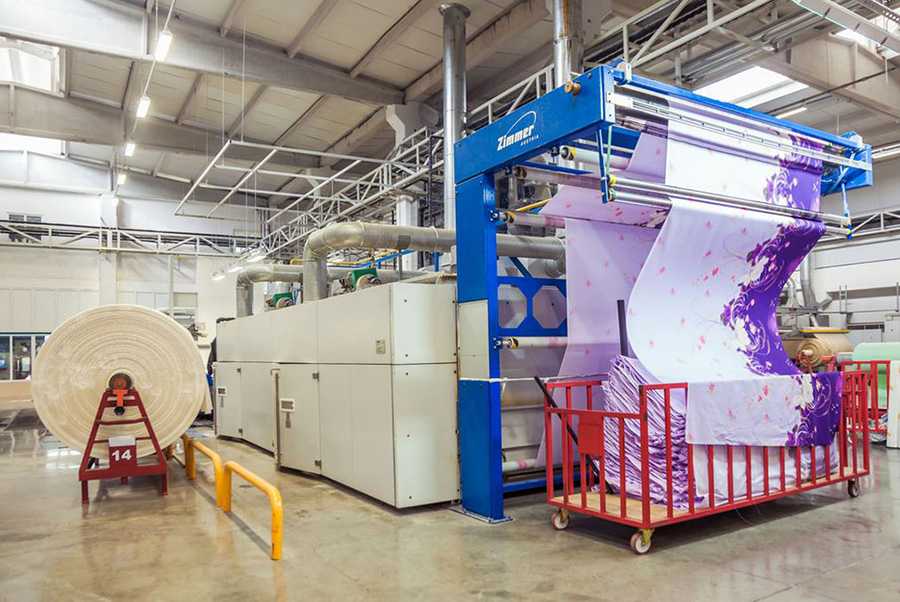
The fabric dyeing process involves several key stages, each requiring specialized equipment to ensure uniform and high-quality dyeing. Let’s examine the process in detail, starting from raw material preparation and ending with packaging of the finished product.
1. Raw Material Preparation
Fabric Scouring/Cleaning: Before dyeing, the fabric is cleaned of dirt, oils, waxes, and other substances that can hinder uniform dye uptake. This is done using washing/ scouring machines that clean the fabric with chemical agents.
Bleaching: To create a lighter base for the fabric, bleaching is applied using oxidizers or hydrogen peroxide. This is especially important for fabrics that will be dyed in bright or light shades. Bleaching ranges are used for this purpose.
Pre-treatment/Souring: In some cases, fabric is soaked in solutions to remove residual dirt or chemicals and improve dye receptivity. This process is carried out in soaking/ pretreatment baths.
2. Dyeing Dyeing can be performed using various methods depending on the fabric type and desired effect.
Dye Selection: Depending on the fabric composition, various types of dyes are used, such as:
Reactive, Acid, Disperse, and Direct dyes.
Dye Bath Preparation: The dye is dissolved in water with the addition of chemicals (auxiliaries) for better color fixation. The solution is prepared in dye mixing tanks.
Dyeing Methods:
Batch Dyeing (Exhaust Dyeing):
Dyeing machines (e.g., winches, jiggers, or beam dyeing machines) are used, where the fabric is immersed in a dye solution.
Color development machines help regulate color intensity and dyeing uniformity.
Continuous Dyeing:
For large fabric volumes, continuous dyeing ranges are used, where the fabric passes continuously through dye pads and fixation units. This speeds up the dyeing process.
Continuous dyeing pads ensure uniform dye application onto the fabric.
Jet Dyeing:
For delicate fabrics, jet dyeing machines are used, where the dye solution is circulated through the fabric under pressure, allowing for gentle yet effective dyeing and special effects.
3. Color Fixation
Dye Fixation: To prevent color fading and bleeding, the fabric is treated with special chemical fixing agents in fixation chambers or steamers.
Fixing machines are used to fix the color using thermal treatment (steaming, thermofixation) or chemical action.
After dyeing and fixation, the fabric passes through drying tunnels or dryers to remove moisture.
4. Additional Finishing Treatments
Fabric Finishing: After dyeing, some fabrics require additional finishing to improve texture and properties:
Coating with protective substances (e.g., water-repellent or antibacterial compositions) using coating/ finishing machines.
Mechanical Finishing: Processes such as calendering or pressing using calenders and presses.
For delicate fabrics (e.g., silk), gentle finishing is applied to prevent damage.
5. Quality Control
Defect Inspection: After dyeing, the fabric is inspected for defects (e.g., uneven dyeing or stains) using inspection frames/light tables and sensors to detect even minor imperfections.
Lab Dips/Sample Testing: During the dyeing process, tests are conducted on small fabric swatches to verify color match and fastness.
6. Packaging of Finished Product
Fabric Cooling: Fabric that has undergone heat treatment may pass through cooling tunnels to prevent deformation.
Packaging: Fabric is wound onto rolls or beams and packaged in plastic film or boxes using packaging machines, which can automatically wrap the fabric and apply labels with information about composition and characteristics.
7. Additional Processes
Conditioning and Storage: Some fabrics require additional time for natural conditioning or storage under controlled conditions.
Final Finishing: For high-quality fabrics, additional finishing may be performed, such as applying special coatings or texturizing.
Main Types of Fabric Dyeing Production Lines:
Lines for Cotton Fabric Dyeing: Use reactive or direct dyes.
Lines for Synthetic Fabric Dyeing: Involve disperse and acid dyes for fabrics such as polyester and nylon.
Lines for Wool Fabric Dyeing: Require acid dyes and careful handling with specific auxiliaries for even dyeing.
Lines for Patterned Fabric Production: Include methods like screen printing or resist dyeing (e.g., batik) to create complex patterns on fabric.
The fabric dyeing process is highly technological and requires meticulous control at every stage to guarantee the quality and durability of the dyed material. The technological lines can be semi-automatic or fully automated depending on production needs.
The cotton processing process begins with raw material preparation and ends with the packaging of the finished product. This process includes several stages, each requiring specialized equipment. Let’s examine the cotton processing process, excluding the stages of spinning, weaving, knitting, dyeing, and finishing.
1. Raw Material Preparation
Cotton Delivery: Cotton arrives for processing as raw fibers (seed cotton), containing impurities such as seeds, leaves, and other contaminants.
Cotton Cleaning: At the first stage, the raw material is cleaned of impurities using ginning plants or cotton gins. These machines separate the fibers from seeds and other foreign particles, improving the quality of the raw material.
2. Fiber Cleaning and Combing
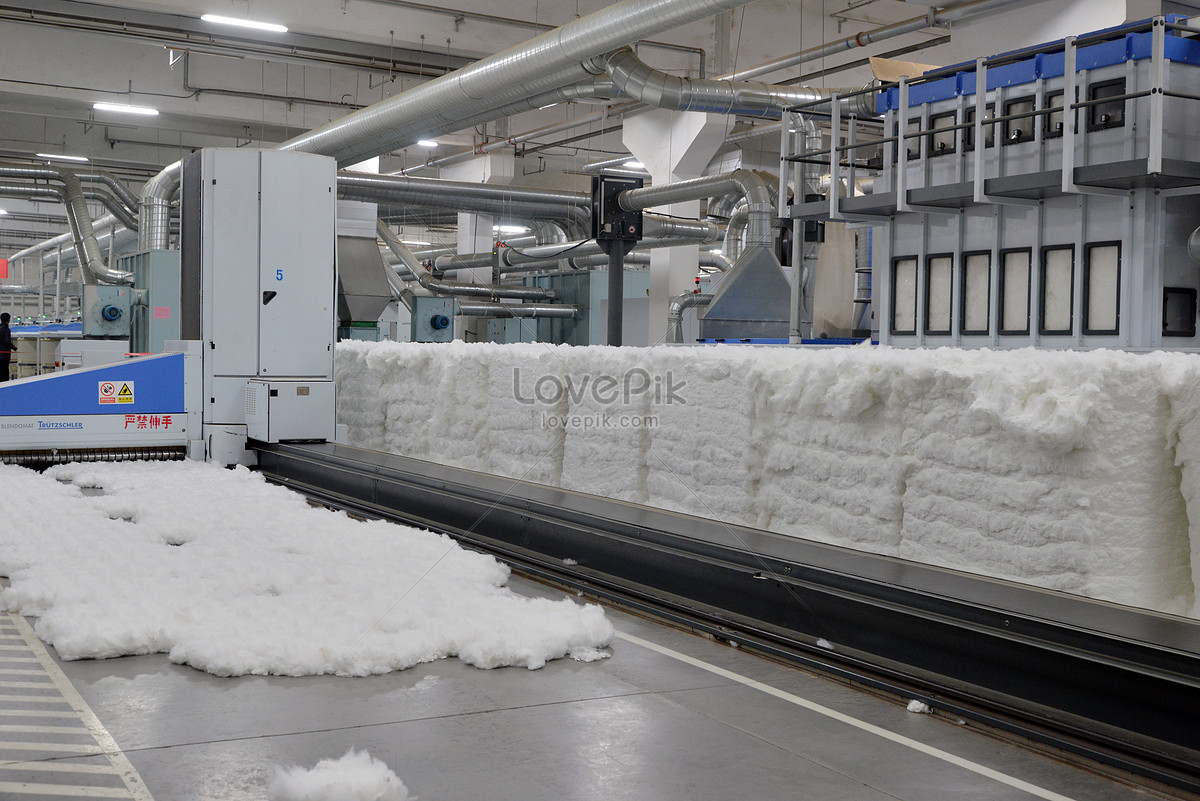
Carding: The cotton is fed into carding machines, where fibers are cleaned of fine particles and aligned. This process improves the fiber structure, preparing it for further processing. The output is a cotton sliver with good strength and uniformity.
Combing (Optional): For more thorough combing and separation of fibers into finer, longer strands, combing machines are used (primarily for high-quality yarns).
3. Ginning
Seed Removal: This stage involves the removal of seeds from the cotton. The ginning process is used – the mechanical separation of seeds from fibers using cotton gins. This equipment efficiently separates fibers and seeds, ensuring raw material purity for further processing.
4. Fiber Treatment
Lapping/Blending: Fibers may undergo an additional process of lapping or blending to homogenize the batch and remove residual impurities. Lappers or blending machines are used for this.
Drawing: After carding and combing, the slivers are processed through drawing frames to further align the fibers, improve parallelism, and blend multiple slivers together to enhance the quality and evenness of the material.
5. Forming Intermediate Products
Forming Cotton Sliver/Roving: After all treatment stages, the fibers are formed into a drawn sliver. This sliver is ready for further use in yarn production. Sliver cans or coiling mechanisms are used for this.
For ring spinning, the sliver is further attenuated into roving using a roving frame.
6. Packaging of Finished Product
Winding onto Bobbins or Rolls: The processed cotton fibers (sliver, roving) are packaged onto bobbins, spools, or into large cans for convenient storage and transportation. The packaging process is performed using winding machines or automated coiling systems.
Labeling: Information about the product type, quality, origin, and other characteristics is applied to each roll or package. Labeling machines are used for this.
7. Additional Processes
Waste Recycling: Residual waste (e.g., linters from ginning, noil from combing), unsuitable for high-quality products, can be recycled into lower-grade products such as padding for mattresses, furniture, or nonwovens. Waste processing lines are used for recycling.
Drying: Sometimes, the processed cotton is dried to remove excess moisture and achieve the desired characteristics. Dryers or drying tunnels are used for this.
Equipment Used in the Cotton Processing Process:
Cotton Gins (Saw Gins/Roller Gins) for cleaning seeds and contaminants.
Bale Openers/Blenders for opening pressed bales and initial blending.
Cleaning Lines (Pre-Cleaners, Fine Cleaners) for removing trash, dust, and motes.
Carding Machines for fiber combing and sliver formation.
Combing Machines for high-grade fiber preparation.
Drawing Frames for fiber alignment and sliver blending/evening.
Roving Frames (for ring spinning systems).
Sliver/Winding Machines for packaging sliver/roving onto bobbins or into cans.
Packaging Machines for packaging fibers or sliver into rolls.
Labeling Machines for applying information to packaging.
Dryers and drying tunnels for drying.
Waste Processing Lines for recycling by-products.
The cotton processing process requires a high level of mechanization and specialized equipment to ensure quality and efficiency at each stage.
Wool processing is a multi-stage process that includes several steps, from raw material preparation to packaging of finished products. Specialized equipment is used at each stage to ensure the quality and durability of woolen products.
1. Raw Material Preparation
Wool Delivery: Wool arrives for processing as raw fibers (greasy wool), sheared from sheep. The raw material may contain dirt, grease (suint and lanolin), short fibers (kemp), and other impurities such as vegetable matter (VM).
Wool Scouring (Washing): At the first stage, wool is cleaned of contaminants such as dust, dirt, and suint using scouring machines (bowls). The wool undergoes washing in detergent solutions to remove natural grease (lanolin) and dirt.
2. Cleaning and Drying
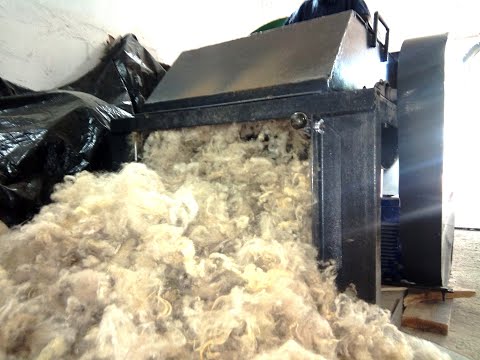
Removal of Impurities: For removing larger impurities, vegetable matter, and short fibers, carding and specialized opening and blending equipment are used.
Wool Drying: After cleaning, the wool is dried in dryers (drying ovens or tumble dryers) that provide optimal conditions to prevent fiber damage and preserve their structure.
3. Combing and Preparation for Spinning
Carding: The wool is fed into carding machines, which disentangle the fibers, make them more homogeneous, and remove remaining impurities. This prepares the wool for spinning.
Combing (for worsted yarns): For producing smoother, finer, and stronger worsted yarns, combing machines are used to remove short fibers (noil) and further align the long fibers.
Fiber Blending: To improve product characteristics, wool may be blended with synthetic or other natural fibers. This process is performed on blending machines that ensure uniform fiber distribution.
4. Spinning
Wool Spinning: The prepared wool sliver (from carding or combing) is spun into yarn of the required thickness and strength using spinning machines. This can be done using ring spinning frames (for worsted or woollen) or open-end (rotor) spinning machines.
Twisting and Winding: The spun yarn is twisted (if necessary) and then wound onto bobbins or cones using winding machines that create yarns of the required density and strength.
5. Weaving or Knitting
Weaving: The resulting yarns can be used to produce fabric via weaving on looms (weaving machines) that interlace warp and weft threads.
Knitting: Yarns can be used for knitting on knitting machines to create elastic fabrics for garments like sweaters or socks.
6. Dyeing and Finishing (Optional)
Wool Dyeing: For dyeing wool, dyeing machines are used – such as package dyeing machines, hank dyeing machines, or jet dyeing machines – where special wool dyes that do not damage the fibers are applied.
Fabric Finishing: Woolen fabrics may undergo further finishing in finishing machines, such as calendering, decatizing (crabbing), steaming, or the application of special coatings (e.g., shrink-resist) to enhance fabric properties.
7. Quality Control
Defect Inspection: Quality control is carried out at all stages of wool processing to identify defects such as fiber unevenness or damage. Sensors, cameras (automated inspection), and visual checks are used for this.
Strength Testing: To test the strength of yarns and fabrics, mechanical testers (tensile testers) are used to measure the material’s resistance to breaking and abrasion.
8. Packaging of Finished Product
Winding and Packaging: Finished yarn or fabric is wound onto cones, spools, or rolls, which are then packaged for storage and transportation using packaging machines.
Labeling: Each batch of finished product is labeled with information about quality, origin, and type of fabric or yarn using labeling machines.
9. Additional Processes
Waste Recycling: Short fibers (noil) and other waste can be recycled into lower-grade materials such as insulation (felts), carpets, and furniture padding. Waste processing lines are used for this.
Conditioning and Storage: Some types of wool require additional conditioning to achieve optimal moisture levels before packaging. Conditioning rooms or climate-controlled chambers may be used for this.
Equipment Used in the Wool Processing Process:
Scouring Lines/Bowls for washing wool.
Carding Machines for fiber opening, cleaning, and alignment.
Combing Machines (for worsted yarns).
Drawing Frames (for worsted yarns) to blend and align fibers.
Spinning Frames (Ring, Rotor) for yarn production.
Weaving Looms for fabric production.
Knitting Machines for knitted fabric production.
Dyeing Machines for dyeing wool or fabrics.
Finishing Machines for fabric finishing.
Winding and Packaging Machines for packaging woolen products.
Labeling Machines for applying information to packaging.
Quality Control and Testing Equipment.
The wool processing process requires the use of various types of specialized equipment at each stage, enabling the creation of high-quality woolen products with the desired characteristics.
Garment manufacturing involves numerous stages, each requiring specialized equipment to ensure high-quality and efficient production. Let’s examine the main types of equipment used at each stage.
1. Fabric Preparation Equipment (Cutting)
Cutting Tables: These tables are designed for laying out fabric before cutting. They are equipped with systems for aligning the material and controlling its tension.
Cutting Tools: Used for precise cutting of fabric. Options include manual knives and automated cutting machines, such as:
Laser Cutting Machines
Ultrasonic Cutting Machines
Vacuum-Assisted Cutting Machines that minimize material waste and increase precision.
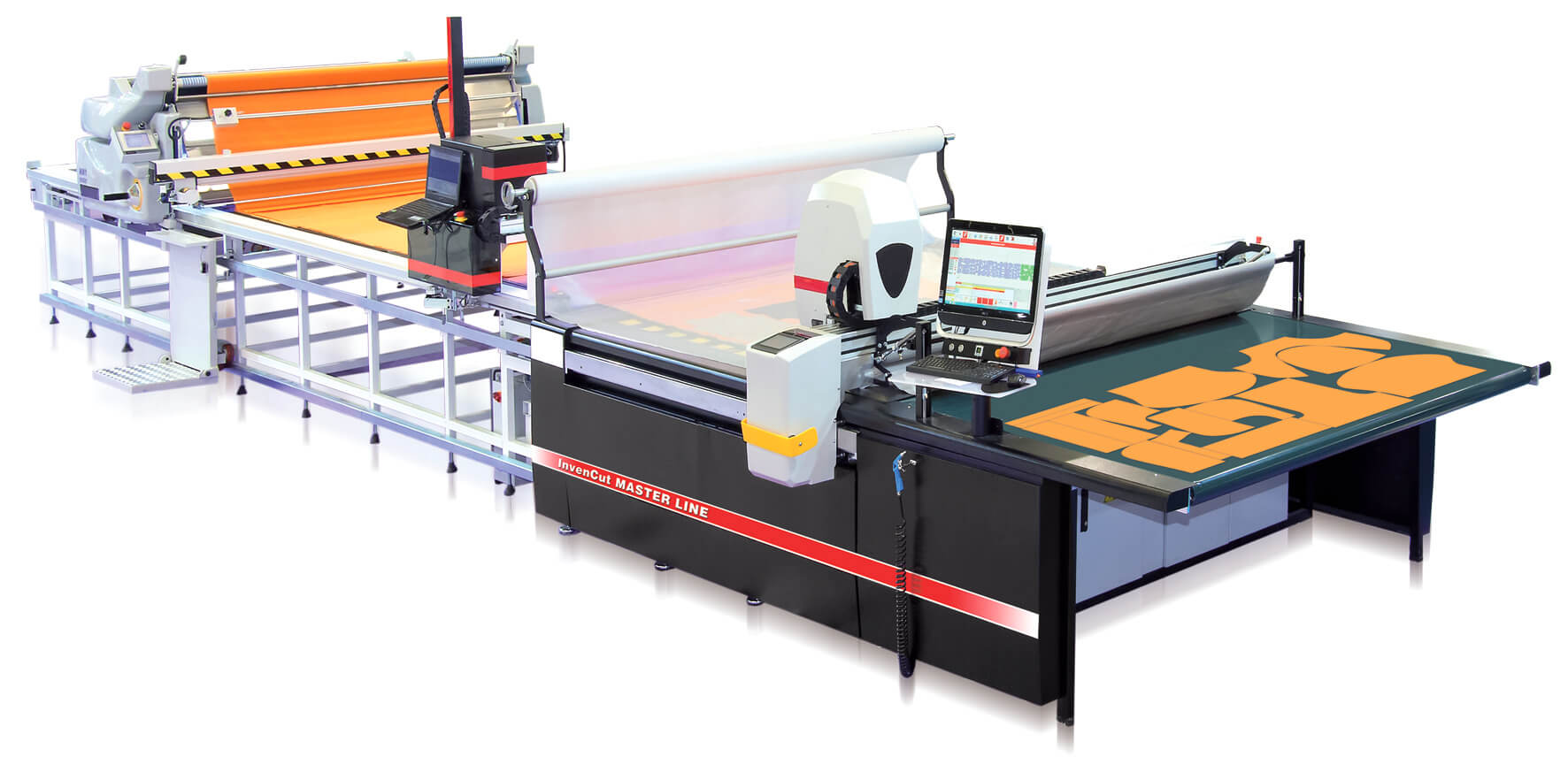
Automatic Cutting Machines: Work with multiple layers of fabric simultaneously, ensuring high accuracy and productivity. They are often equipped with material management systems to track consumption.
2. Sewing Equipment
Sewing Machines: The primary equipment for all sewing operations. Includes various types depending on the seam type:
Lockstitch Machines: For basic straight seams.
Overlockers/Sergers: For finishing fabric edges and preventing fraying.
Coverstitch Machines: For creating hemming and topstitching seams, often used for knitwear.
Multi-Needle Machines: For creating multiple parallel seams or using different stitch types simultaneously.
Buttonhole Machines: For creating buttonholes.
Bar Tackers: For reinforcing stress points (e.g., pocket corners, belt loops).
Special-Purpose Sewing Machines: Include machines for complex operations like inserting zippers, attaching buttons, snaps, and decorative elements.
3. Fabric Processing and Finishing Equipment
Irons and Pressing Machines: For shaping fabric, smoothing seams, and preparing the garment for finishing. Various types are used, including steam irons, steam presses (buck presses), and form finishers for creating creases.
Fusing Machines: For applying interlining to garment parts using heat and pressure.
Ironing Machines/Tunnel Finishers: Automatic systems for ironing garments after sewing, significantly speeding up the process.
Button Sewing Machines
Zipper Setting Machines
4. Embellishment and Decoration Equipment
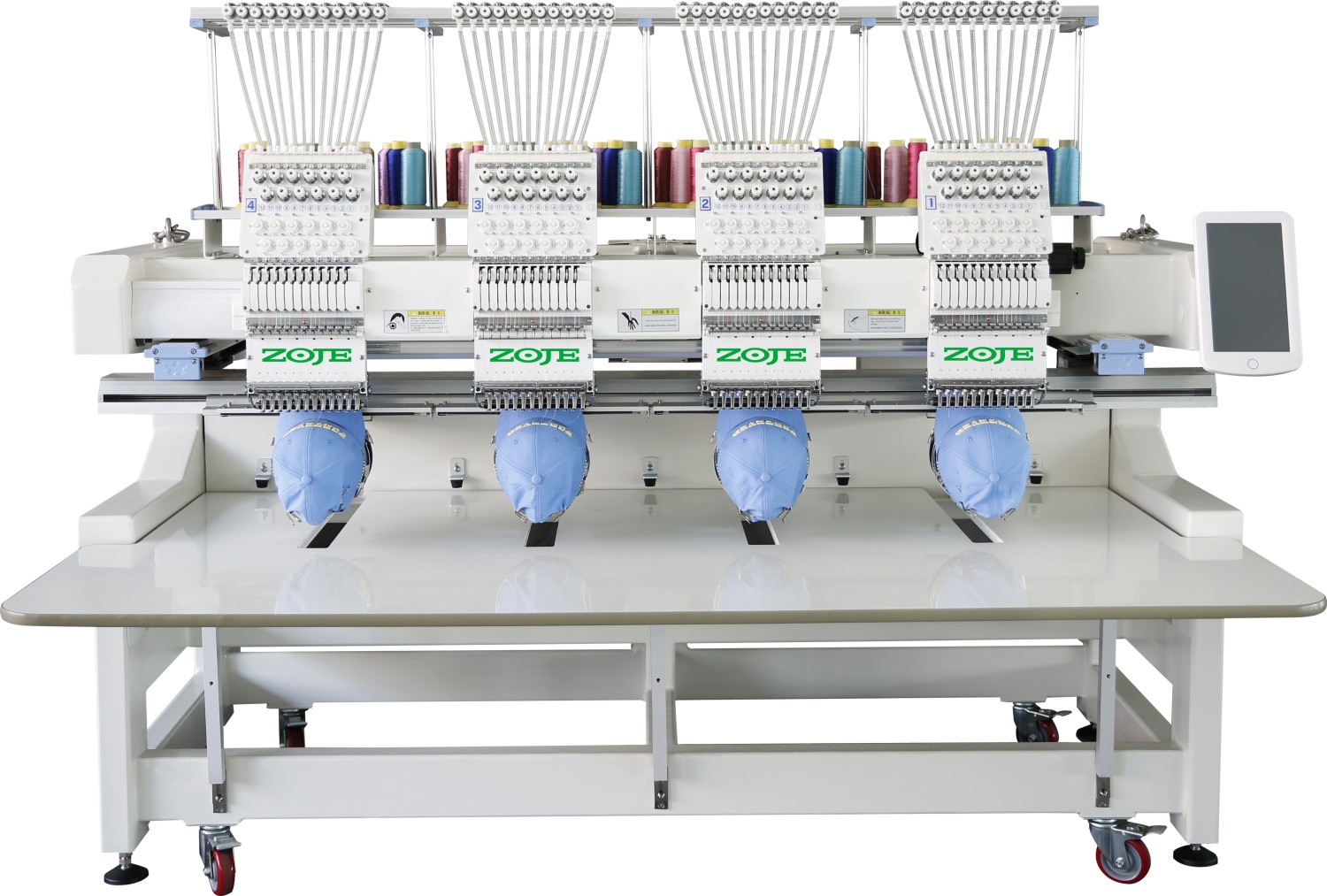
Embroidery Machines: For creating decorative elements such as logos, embroidery, or appliqués. Multi-head embroidery machines allow for high-precision work.
Heat Transfer and Sublimation Printers: For applying various images and designs onto fabric.
Gluing Machines: For attaching decorative elements like rhinestones, sequins, and decorative tapes using heat or adhesive.
5. Final Finishing Equipment
Fabric Dryers: Fabric is often dried after dyeing or washing to prevent shrinkage and preserve its structure.
Fabric Heat Setting Machines: For materials requiring thermal treatment in heat-setting ovens to improve shape retention or prevent shrinkage.
Brushing/Sanding Machines: For creating textures, such as brushed or suede-like surfaces on fabrics.
6. Finished Product Packaging Equipment
Packaging Machines: For packaging finished garments in plastic film, boxes, or other types of packaging. Automatic packaging machines ensure fast and high-quality product packaging.
Labeling/Tagging Machines: For attaching price tags, labels with care instructions, barcodes, or RFID tags to garments.
7. Additional Processes and Equipment
Quality Control and Testing Equipment: For checking seam quality, fabric strength, and seam durability under stress. This equipment helps identify defects and shortcomings during production. Includes seam strength testers, color matching cabinets, and inspection tables.
Robots and Automated Systems: In large production lines, robots can be used for tasks like fabric handling, piece sorting, or packaging, significantly increasing productivity and reducing labor costs (e.g., automated guided vehicles – AGVs, robotic arms for handling).
The garment manufacturing process includes many stages, and each requires specific equipment to achieve high product quality and efficient operation execution.
The leather goods manufacturing process involves several key stages, each requiring specialized equipment to achieve high quality and product durability. Let’s examine the main production stages and the equipment used at each.
1. Raw Material Preparation
Raw Material: Hides from cattle, sheep, goats, or exotic animals.
Equipment:
Soaking Drums: Used to remove dirt, blood, and flesh residues from hides.
Fleshing Machines/Beamers: For scraping off subcutaneous fat and tissue.
Process: Hides are sorted by thickness and quality, then preserved using curing (salting or drying) to prevent spoilage.
2. Tanning
Equipment:
Tanning Drums: For the chemical treatment of hides using chromium (chrome tanning) or vegetable tannins.
Splitting Machines: To split thick hides into layers of uniform thickness.
Setting-out Machines: To stretch and flatten the leather.
Process:
Liming: Removal of hair and epidermis.
Tanning: Stabilization of the fiber structure to impart durability and flexibility.
Retanning, Dyeing, Fatliquoring: To add specific properties, color, and softness.
3. Surface Finishing (Crust & Finishing)
Equipment:
Spraying Booths/Finishing Lines: For applying aniline dyes, pigment coatings, or protective finishes.
Embossing Presses: To create textures (e.g., imitation crocodile, ostrich).
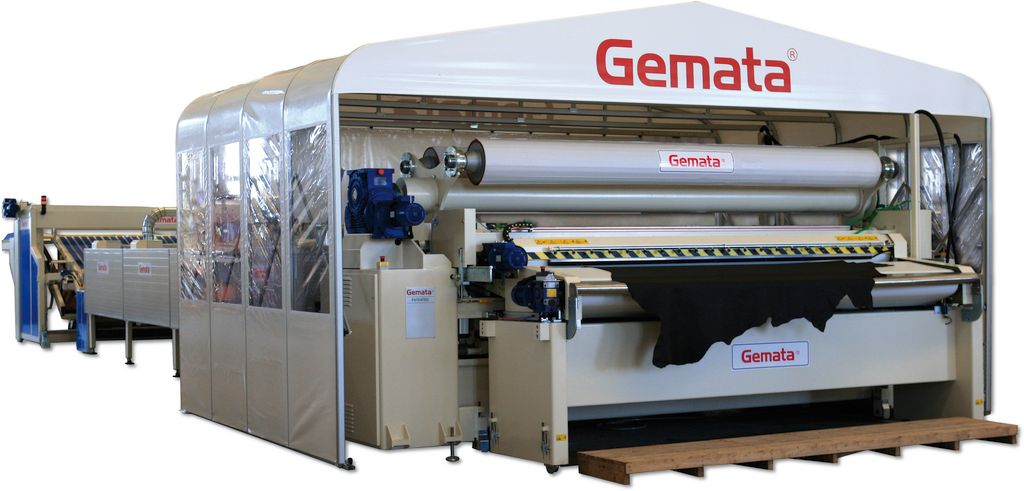
Glazing Machines/Calenders: For polishing or creating a matte surface.
Process: Leather is given its final color, texture, and sheen, enhancing its appearance and resistance to external factors.
4. Cutting
Equipment:
Laser Cutting Machines (e.g., LaserCut Pro): For precise, clean cutting of leather according to patterns.
Hydraulic Clicker Presses/Cutting Dies: Used for mass production of parts.
Process: Cutting out parts for future products (bags, belts, shoes, and other leather accessories).
5. Product Assembly
Equipment:
Industrial Sewing Machines (e.g., Juki DNU-1541, Adler class 467): For sewing thick leather.
Skiving Machines: For thinning leather edges for seamless joins.
Adhesive Presses: For fixing linings and other elements.
Punching Machines/Die Cutters: For creating holes for hardware (zippers, snaps, eyelets).
Process: Parts are sewn together, and hardware (zippers, buckles, snaps) and decorative elements are added.
6. Final Finishing
Equipment:
Edge Polishing/Burnishing Machines: For treating leather edges with wax or paint to give the product a neat appearance.
UV Lamps/Drying Tunnels: For drying protective coatings applied to the leather.
Tumbling Drums: For softening the leather and giving it a used look.
Process: Application of water-repellent compounds, defect removal, and enhancement of the leather goods’ appearance.
7. Quality Control
Equipment:
Measuring Gauges/Templates: For checking product dimensions.
Tensile Testers: For assessing seam and material strength.
Process: Inspection of products for defects, misalignments, and the reliability of hardware and seams.
8. Packaging
Equipment:
Vacuum Sealers: To protect products from moisture and contamination during transportation.
Shrink Wrap Tunnels: To secure film on product boxes.
Process: Packaging in tissue paper or polyethylene, adding tags and barcodes for product identification.
9. Additional Processes
Laser Engraving: For applying logos or decorative elements using laser engravers (e.g., Trotec Speedy 360).
3D Modeling/Pattern Making: For creating digital patterns and design solutions using specialized CAD software (e.g., Lectra Modaris, Optitex).
Eco-processing: Use of vegetable tannins and environmentally friendly chemicals for more sustainable production.
Equipment Used in Leather Goods Manufacturing:
Soaking Drums
Tanning Drums
Splitting & Shaving Machines
Laser Cutting Machines
Industrial Sewing Machines
Adhesive Presses
Edge Finishing Machines
UV Curing Lamps
Vacuum Packaging Machines
Laser Engraving Equipment
Each stage in the leather goods manufacturing process plays a crucial role in ensuring their high quality, durability, and visual appeal.
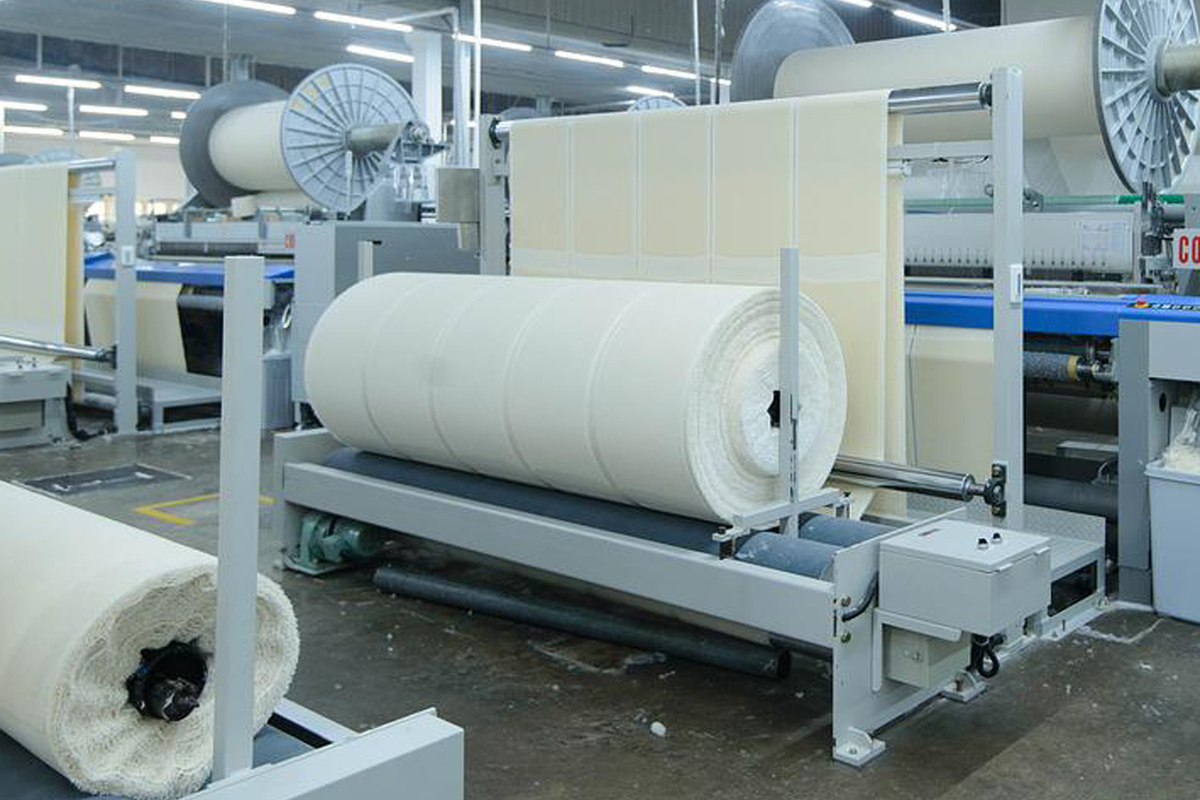
The textile manufacturing process encompasses various stages, from raw material processing to final fabric packaging. Specialized equipment is used to perform each of these operations, ensuring efficiency and high product quality.
1. Fiber Processing Machinery (Raw Material Preparation) This stage involves cleaning and aligning fibers for their subsequent transformation into yarn.
Raw Material Cleaning Equipment: Removes impurities, dust, and vegetable matter from fibers such as cotton and wool.
Operating Principle: Fibers pass through drum mechanisms with screens and air filters to separate debris and unwanted particles.
Carding Machines: Form cleaned fibers into even, parallel strands (sliver).
Operating Principle: Fibers pass through rotating cylinders covered with fine wires (card clothing), which disentangle and align them into a uniform web, later condensed into a sliver.
Combing Machines: Further align fibers and remove short staples, improving the quality of the future yarn. Used for producing high-grade yarns.
2. Spinning Machines (Yarn Production) These machines transform prepared fibers into yarn for fabric production.
Ring Spinning Frames: Twist and draft fibers, creating high-strength yarns. The most common method for a wide range of yarns.
Operating Principle: The roving is attenuated (drafted), twisted by a rotating spindle, and wound onto a bobbin.
Rotor Spinning (Open-End) Machines: Used for producing coarser yarns from short-staple raw materials at high speeds.
Operating Principle: Fibers are separated, fed into a high-speed rotor where they are twisted, and the yarn is formed and wound.
Air-Jet Spinning Machines: Operate using a jet of air that twists the fibers into yarn. Known for high speed and producing yarns with specific characteristics.
3. Weaving Looms (Fabric Formation) Weaving looms are used to interlace warp (lengthwise) and weft (crosswise) yarns to create various fabric types.
Shuttle Looms: Operate on traditional technology using a shuttle to carry the weft yarn through the warp shed.
Operating Principle: The shuttle moves back and forth, interlacing the yarns and forming fabric. Largely replaced by modern looms.
Shuttleless Looms: Modern machines offering high production speeds.
Rapier Looms: Use flexible or rigid rods (rapiers) to carry the weft yarn across the warp.
Air-Jet Looms: Use compressed air to propel the weft yarn through the shed at very high speeds.
Water-Jet Looms: Use a jet of water to carry the weft yarn (suitable for hydrophobic fibers like polyester).
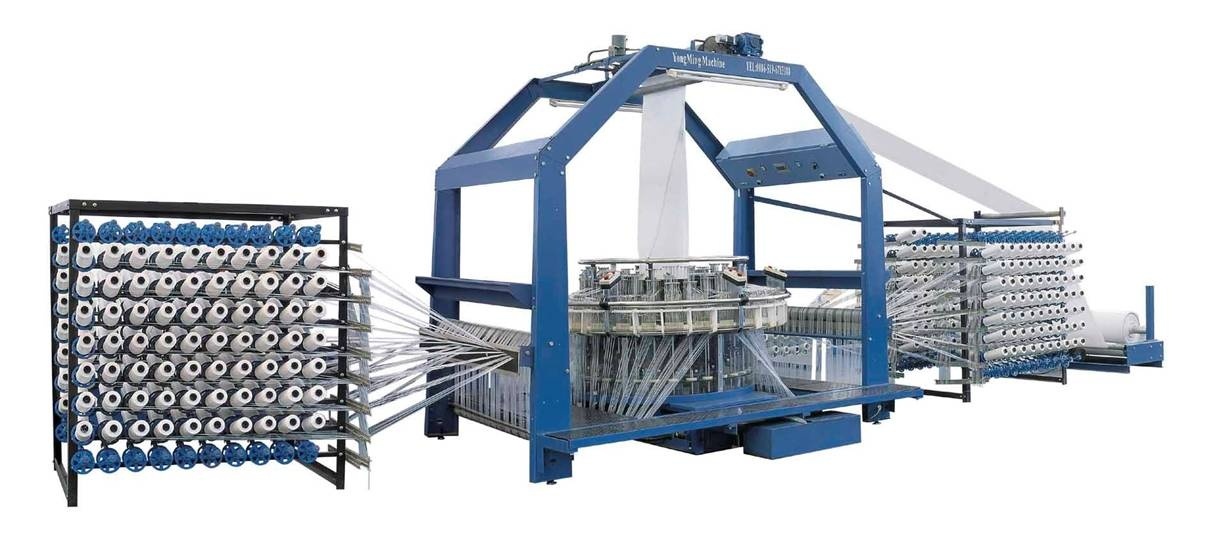
Circular Looms: Used to produce seamless tubular fabrics like bags and sleeves.
4. Knitting Machines (Knit Fabric Production) Knitting machines are used to produce knitted fabrics and garments.
Flat Knitting Machines: Create knitted fabrics with various patterns and structures. Highly versatile, used for shaped panels (e.g., for sweaters).
Operating Principle: Needles interloop yarns into stitches, forming an elastic knitted fabric.
Circular Knitting Machines: Used for the mass production of continuous tubular or open-width knitted fabrics (e.g., for T-shirts, underwear).
Warp Knitting Machines: Produce fabrics where yarns form loops in a vertical (warp) direction, creating stable, often less elastic fabrics (e.g., tricot, raschel).
5. Finishing Machinery (Dyeing, Processing, Printing) After fabric is formed, it undergoes several finishing stages to enhance its appearance and functional properties.
Dyeing and Finishing Machines: Used for dyeing fabrics and fixing the color.
Operating Principle: Fabric is treated in various types of dyeing machines (jig, winch, jet, continuous ranges) and then dried and heat-set.
Calendering Machines: Used to create a smooth, glossy, or matte surface on the fabric.
Operating Principle: Fabric is passed between heated rollers (bowls) under pressure, imparting the desired finish (e.g., schreiner, embossing).
Printing Machines: Used to apply patterns or designs onto fabric (e.g., rotary screen printing, digital inkjet printing).
6. Equipment for Cutting, Packaging, and Warehousing The final stage of textile production involves fabric cutting, quality inspection, and packaging.
Cutting Machines: Used to cut fabric into rolls or specific pieces.
Operating Principle: Automatic straight knives, circular knives, or laser cutters cut the fabric according to set parameters.
Automatic Folding/Rolling Machines: Fold fabric into pieces or wind it onto rolls.
Inspection Machines: Check fabric for defects (like stains, holes, weaving faults) before packaging to guarantee quality, often using automated visual inspection systems.
Conclusion Textile manufacturing involves numerous stages, and specialized equipment has been developed for each to ensure efficiency and high-quality output. From fiber preparation to packaging of finished goods, every machine plays a vital role in the process of creating fabrics and textile products.
Industrial sewing machines play a crucial role in the mass production of clothing, footwear, accessories, and other textile products. Unlike domestic models, these machines offer high operating speeds, extended durability, and can work continuously, making them ideal for industrial use. Let’s examine the main types and operating principles of these machines.
1. Straight Stitch Sewing Machines (Lockstitch) These machines perform classic straight lockstitches and are widely used across various textile manufacturing sectors.
Single-Needle Lockstitch Machines
Operating Principle: A needle penetrates the fabric, forming a stitch. A rotating hook below catches the upper thread, interlacing it with the bobbin thread to create the lockstitch. The feed dog mechanism moves the fabric forward.
Applications: For light to medium-weight fabrics (dresses, shirts, trousers). The foundation of most sewing lines.
Twin-Needle Lockstitch Machines
Operating Principle: Create two perfectly parallel rows of stitches simultaneously, providing enhanced strength and a decorative finish.
2. Overlockers (Sergers) Overlockers are used for finishing fabric edges to prevent fraying and for seaming, creating strong and neat seams. They form a chainstitch that wraps over the fabric edge.
3-Thread Overlock
Applications: For lightweight to medium fabrics, providing a flexible and neat edge finish.
4-Thread Overlock (Safety Stitch)
Applications: For heavier fabrics, creating a very strong, secure seam suitable for high-stress areas. Often combines an overlock stitch with a chainstitch.
5-Thread Overlock (Flatlock/Simmer Stitch)
Applications: Combines overedging with a bottom coverstitch, used for decorative flat seams on activewear and undergarments.
Operating Principle: The machine trims the fabric edge with a cutting blade and simultaneously loops threads around the edge using loopers, forming an elastic stitch that prevents unraveling.
3. Coverstitch Machines Coverstitch machines are designed for working with knits and creating elastic seams, hems, and decorative topstitching. They form stitches on the top side and a chain of loops on the underside.
Flat Bed Coverstitch Machines
Applications: Create flat, elastic seams with a double or triple needle row on the top and a serged finish on the bottom (common in t-shirt side seams).
Cylinder Bed Coverstitch Machines
Operating Principle: Ideal for tubular garments (like sleeves, necks). Form a durable, elastic chainstitch suitable for hemming and binding.
4. Automatic Buttonhole Machines These machines specialize in creating buttonholes of various types.
Eyelet Buttonhole Machines: Create reinforced, bartacked buttonholes for suits and outerwear.
Straight Buttonhole Machines: Used for light to medium fabrics like shirts and blouses.
Operating Principle: The machine automatically sews a precisely sized and reinforced buttonhole based on programmed settings.
5. Button Sewing and Bartacking Machines These machines perform specialized operations for attaching buttons and reinforcing stress points.
Button Sewing Machines: Automatically sew on buttons of various sizes with a programmed stitch pattern (lockstitch or chainstitch).
Bartacking Machines: Reinforce the ends of seams, pocket corners, belt loops, and other high-stress points to prevent tearing. They create a dense, concentrated zigzag pattern.
6. Specialized Sewing Machines Used for more complex operations and working with specific materials.
Heavy-Duty Machines for Leather and Heavy Fabrics: Industrial machines with compound feed (needle, top, and bottom feed), walking feet, and reinforced construction for handling thick materials like leather, canvas, and upholstery.
Quilting Machines: Automated long-arm machines for creating intricate quilted patterns, widely used in bedding and decorative textile production.
Zigzag Machines: Allow for decorative and elastic stitches, useful for appliqué, stretch fabrics, and barracking.
7. Embroidery Machines These machines are used for applying complex patterns and logos onto fabric.
Single-Head Embroidery Machines: Suitable for small-scale production and workshops.
Multi-Head Embroidery Machines: Used in large factories for mass embroidery production.
Operating Principle: A computerized system controls the movement of the embroidery frame (hoop) and the activation of needles, creating precise and complex designs with multiple thread colors.
Conclusion Industrial sewing machines are characterized by high speed, reliability, and the ability to work with diverse materials. Each model possesses unique functionality, enabling efficient and rapid execution of a wide range of operations at various stages of clothing and textile product manufacturing
Our services
SUPPLIER SEARCH AND VERIFICATION IN CHINA
Equipment search through partner databases, by countries worldwide, and among industry leaders.
BEST PRICES FOR EQUIPMENT FROM CHINA
Our local representatives will get you the best prices directly from manufacturers.
COUNTERPARTY VERIFICATION IN CHINA
Verification of the company’s registration date, licenses, litigation history, and actual address.
DELIVERY TERMS FROM CHINA
We will deliver your order on the most favorable logistics terms for you (air, rail, or truck).
CONTRACTING
Preparation of export-import contracts:
Customs clearance procedures in China and customs clearance in Uzbekistan.
QUALITY CONTROL
Our local representatives control the entire production process of equipment and goods.
LOGISTICS
Supervision of the loading process, providing photo and video reports.
INSTALLATION
Commissioning works and staff training in Uzbekistan.
Our additional services
The main goal of the company Grande is to organize mutually beneficial cooperation between entrepreneurs and companies from around the world and China.
The company “Grande” offers an unlimited selection of high-quality, high-tech equipment, machines, installations, and technical tools from leading Chinese manufacturers on a turnkey basis and provides recommendations to its clients on all matters related to purchasing equipment and goods.
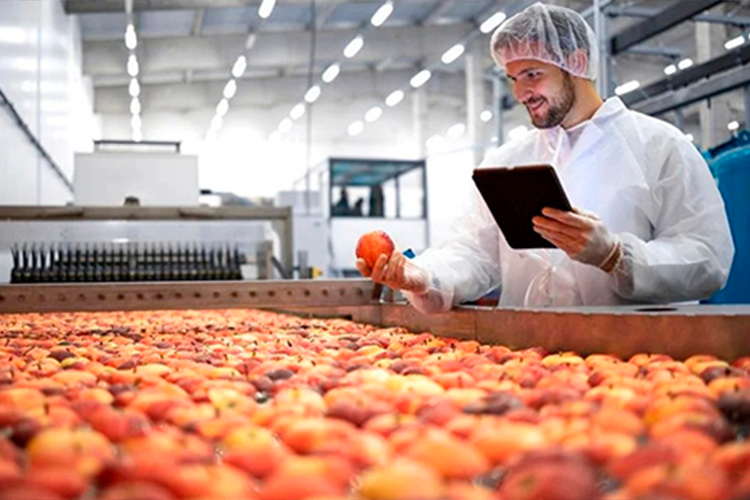
We will assist you in selecting agricultural equipment and machinery for growing, harvesting, sorting, and processing fruit and vegetable crops, as well as other types of agricultural production.
Supply of high-quality equipment and belts for food production. Familiarize yourself with the list of main types of machines used in the food industry.
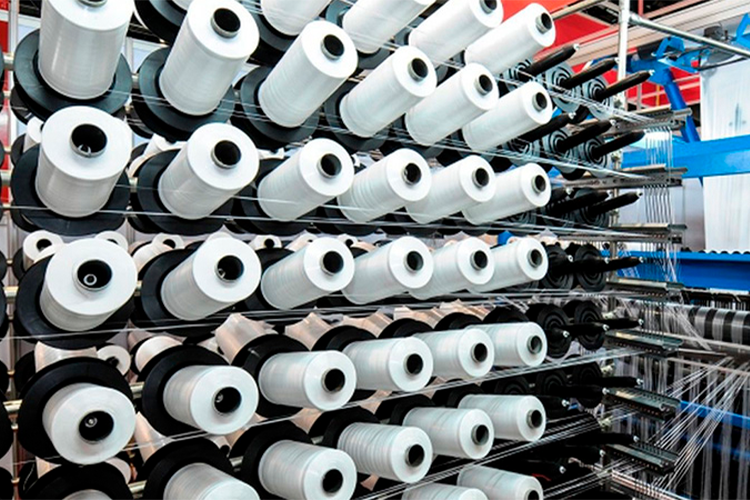
Comprehensive solutions for the light industry from China at affordable prices. Equipment for raw cotton processing, textile printers, weaving machines, textile dyeing equipment, and more.
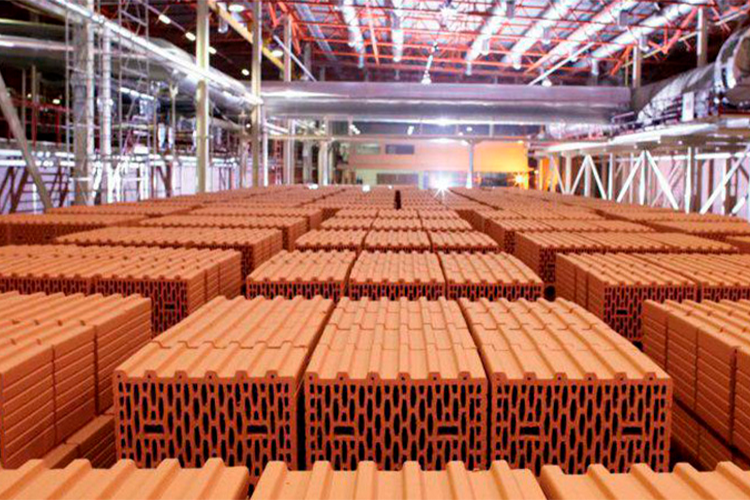
We offer a wide range of equipment for the production of construction materials. With us, you’ll find machinery for manufacturing paints and varnishes, equipment for producing ceramic materials and products, as well as other types of equipment at the best prices.
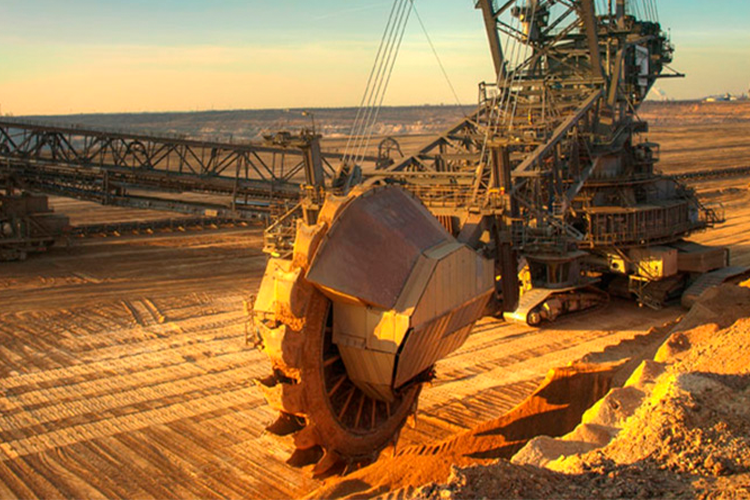
Specialized machinery for use in the mining industry, including rock crushing equipment, mineral exploration tools, equipment for extracting mining and chemical raw materials, and other machinery from Chinese manufacturers at the best prices.
We offer innovative equipment for extracting metals from ores or other types of raw materials, as well as technology related to altering the chemical composition, structure, and properties of metal alloys, and the production of various metal products from them.
Our company has extensive experience in direct cooperation with Chinese companies. Grande specialists help businesses daily to purchase high-quality products from trusted Chinese suppliers. Moreover, Grande will assist you with all documentation and ensure the delivery of your goods to your warehouse or facility.
0+
Direct partner manufacturers of the company
0+
Years of experience working with Chinese companies